IRS raises 2026 mileage rate, Pizza Hut drivers should track business miles
Pizza Hut drivers who log miles for deliveries got a new IRS rate: 72.5 cents a mile, up 2.5 cents from 2025.
Pizza Hut drivers who put hundreds of personal-car miles on the job now have a higher benchmark to watch: the IRS set the 2026 business standard mileage rate at 72.5 cents per mile, up 2.5 cents from 2025.
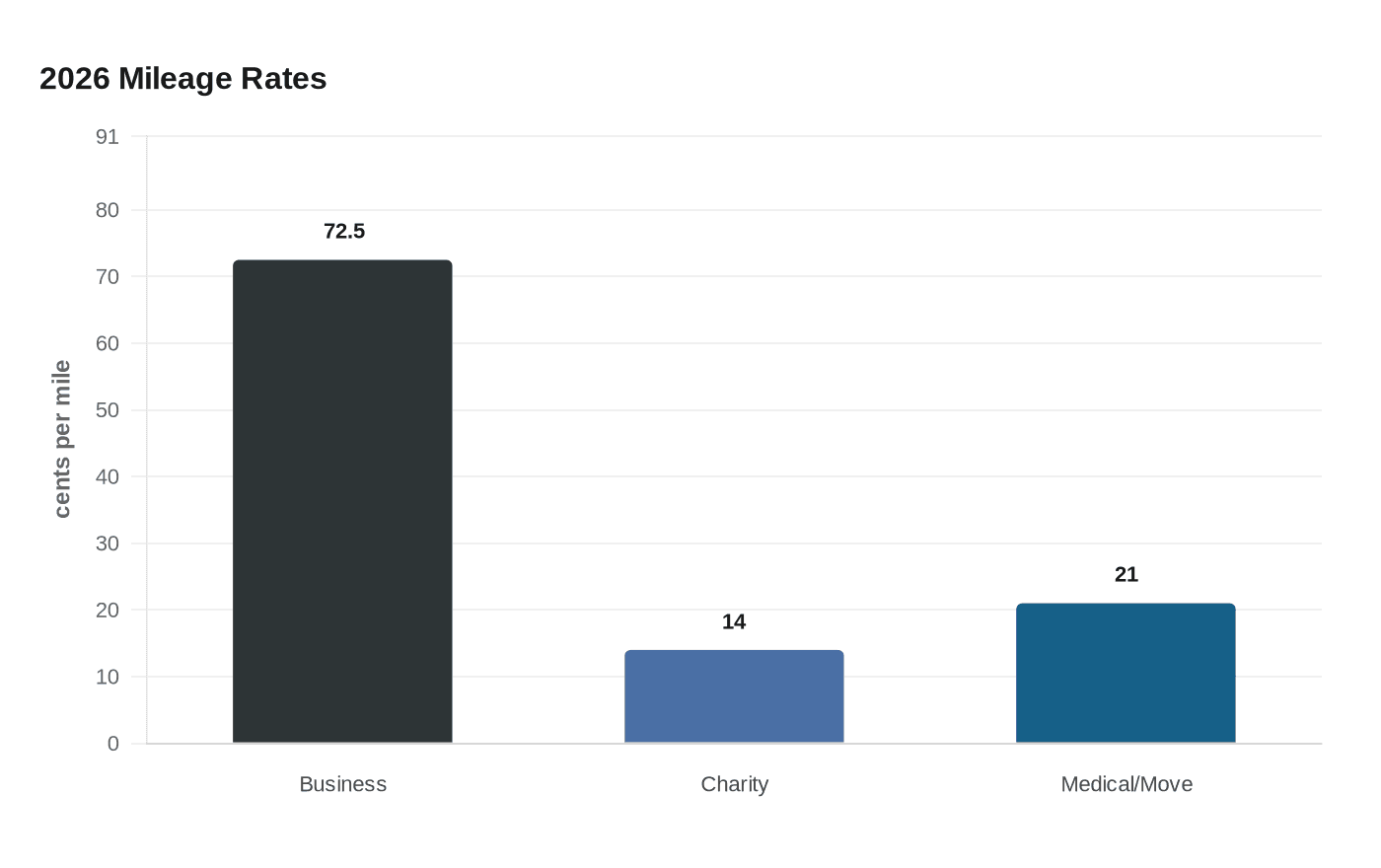
The new rate took effect Jan. 1, 2026, after the IRS published Notice 2026-10 on Dec. 29, 2025. The agency also set the 2026 charitable rate at 14 cents per mile and the medical and moving rate at 21 cents per mile. For delivery-heavy Pizza Hut shifts, the business rate is the one that matters most because it determines how much value workers can tie to qualified work miles.
That only works if the miles are documented. The IRS says taxpayers should keep contemporaneous records that show the date, destination, business purpose and miles for each trip. A gas receipt alone will not do that job. Drivers who run food between the store, neighborhoods, and repeat runs across town need a clean log if they want mileage to stand up later as a deduction or reimbursement claim.
The distinction between W-2 employment and self-employment also matters. Under current law, most unreimbursed employee travel expenses are not deductible as miscellaneous itemized deductions, with only narrow groups still able to claim them, including qualified performing artists, fee-based state or local government officials, and eligible educators. That means a Pizza Hut driver on the payroll is generally living inside the store’s reimbursement policy, while a contractor in a delivery arrangement may be looking at mileage as a tax deduction.
Pizza Hut job postings in some locations already show how important that difference can be. Some ads say delivery drivers receive mileage reimbursement and cell phone data reimbursement. Others add mileage reimbursement, tips paid out nightly, flexible schedules and tuition reimbursement. For workers, that is not just a perk list. It is the difference between absorbing wear-and-tear on a car and getting paid back for it.
Managers who oversee delivery routes should treat mileage as a labor cost, not a side issue. IRS Publication 15-B says employers may reimburse employees for business use of a personal vehicle using the business mileage rate, and the cents-per-mile rule can also apply in some cases when valuing personal use of an employer-provided vehicle. For Pizza Hut stores that lean on delivery, even a 2.5-cent change can add up fast across thousands of miles, and poor tracking turns that shift into lost money.
This article was produced by Prism’s automated news system from verified source data, official records, and press releases, then run through automated quality and moderation checks before publishing. The system is built and supervised by the people who set the standards it runs under. Read our full AI policy.
Did this article answer your question?