OSHA flags Pizza Hut workplace-violence risks, urges stronger prevention measures
Pizza Hut’s riskiest moments are the ones that feel routine: late-night cash, delivery handoffs and isolated drive-thru shifts. OSHA says prevention has to be built into the store.
The highest-risk moments are the ordinary ones
Pizza Hut’s workplace-violence problem is not confined to a headline-making incident. It is built into the moments crews handle cash, work late hours, take orders from frustrated customers, and send drivers out alone after dark. OSHA’s guidance is clear: a well-written prevention program, paired with engineering controls, administrative controls, and training, can reduce the likelihood of violence.
That matters because the danger often shows up in predictable places. A customer angry about a late delivery can turn a routine complaint into an escalation. A person lingering at the counter may follow a driver to the door. A closing shift with too few people in the building can leave workers feeling exposed long after the ovens cool down. For Pizza Hut managers, the question is not whether these situations can happen, but whether the store is set up to handle them before someone gets hurt.
Why Pizza Hut stores need a prevention playbook
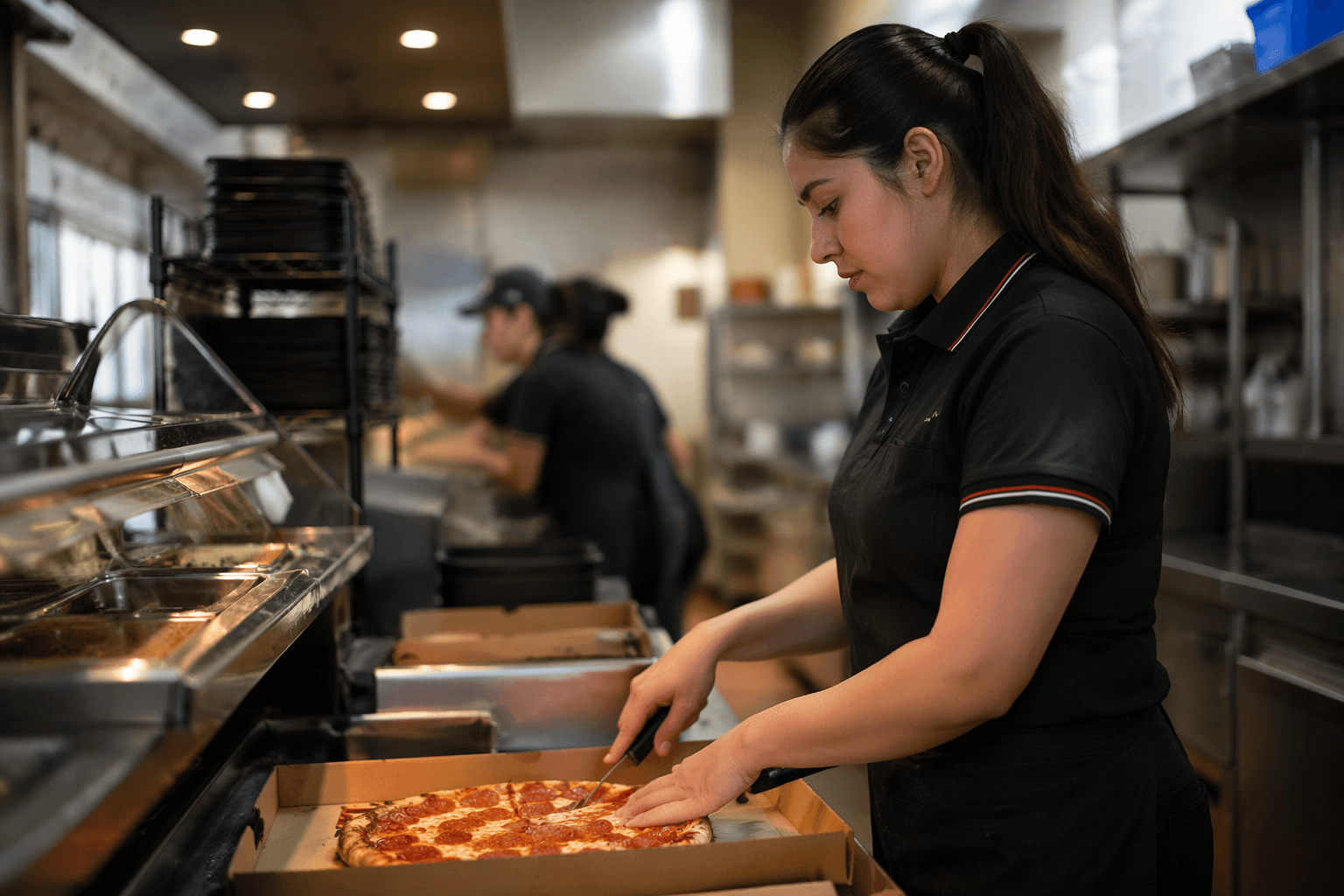
OSHA’s restaurant guidance says many workplaces, including restaurants, can be targets for workplace violence because of cash, late work hours, and contact with the public. That combination describes a lot of Pizza Hut shifts, especially delivery-heavy nights and closing periods when one or two people are trying to manage the front counter, phone orders, carryout traffic, and the last round of cleanup.
The practical response starts with a real assessment of the worksite. OSHA says employers can reduce the likelihood of incidents by assessing their worksites and identifying methods for prevention. In a Pizza Hut store, that means asking where workers stand alone, where visibility breaks down, where cash is handled, and which parts of the building or parking lot create blind spots during peak evening hours.
The places where risk concentrates
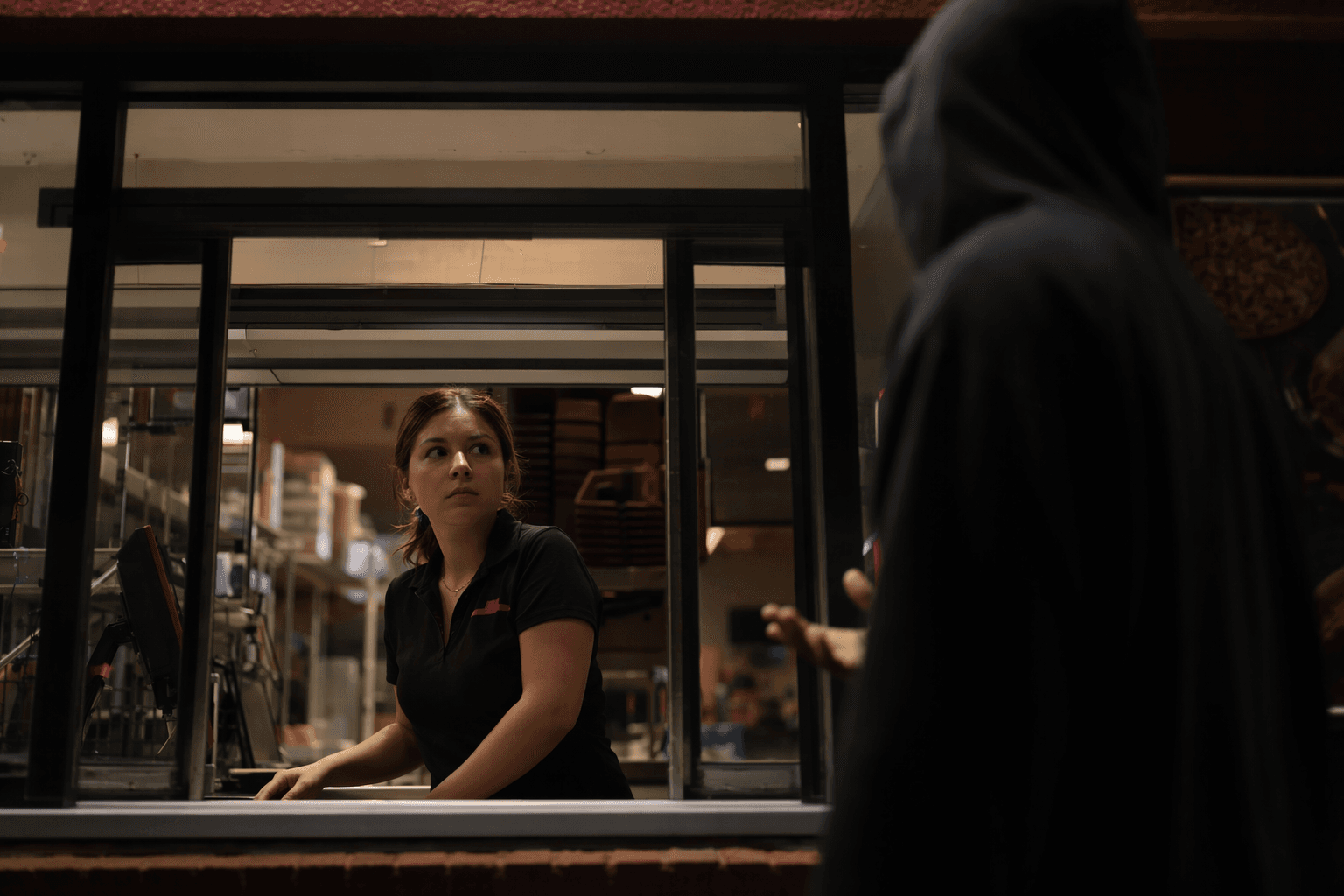
Drive-thru windows are one of the clearest pressure points. OSHA’s young-worker restaurant guidance says young workers may be exposed to workplace violence at drive-thru windows, and that drive-thru areas can isolate workers when they are located in a structure removed from the main restaurant. That isolation can turn a simple customer issue into a safety problem if an employee is separated from teammates, escape routes, or a manager who can intervene quickly.
Delivery work creates a different kind of exposure. Drivers are often the face of the brand when a customer is already irritated about a wait, a missing item, or a wrong address. Clear rules matter here: a driver should be able to refuse a risky drop-off, ask dispatch for backup, or stop a transaction without worrying that safety will be treated as a personal weakness or a customer-service failure.
Late-night service adds another layer. The fewer people left in the building, the harder it is to absorb a verbal threat, watch the door, or step away from a confrontation without leaving another worker stranded. A store that runs thin at close may be saving labor minutes while quietly increasing the chance that a single argument becomes the whole shift’s defining event.
What a zero-tolerance policy should mean on the floor
OSHA says one of the best protections is a zero-tolerance policy for workplace violence. In practice, that should mean workers know exactly when to stop a transaction, when to call law enforcement, and how to document threats or intimidation. If a customer is escalating, managers need to be trained to end the interaction early rather than waiting for it to become physical.
That policy should be visible, not buried in a handbook. Crew members should know that a threat or assault is a workplace issue, not a personal failure. If a worker says they feel unsafe making another delivery or continuing at the window, the store should already have a response ready: switch assignments, call for backup, or close the service point if needed.
- clear steps for stopping service when behavior becomes threatening
- a process for reporting threats, intimidation, or near-misses
- a protocol for calling law enforcement
- backup coverage for drivers who do not feel safe completing a run
- management instructions for closing a store or isolating a problem area when risk rises
A serious prevention program should include:
Why prior incidents change the rules
OSHA’s enforcement guidance says an employer that has experienced workplace violence, threats, intimidation, or other indicators showing the potential for violence is on notice of the risk. For a Pizza Hut operator, that means one incident should change the store, not just the paperwork.
If a driver is threatened on a delivery, if a customer becomes verbally aggressive at the counter, or if employees report repeated intimidation at the window, the response should be structural. That can mean tighter staffing at close, more direct supervision, better visibility around the counter, stronger handoff procedures for delivery, or engineering changes that reduce isolation in the store layout. The point is to treat warning signs like warning signs, not random bad luck.
What shift leaders can change tomorrow
A Pizza Hut shift leader does not need to wait for a corporate rollout to make the store safer. The biggest changes are often operational and immediate. A stronger safety routine could look like this:
- schedule enough people to avoid leaving one worker alone in high-contact areas
- keep cash handling visible and limited when possible
- assign a manager to watch the front end during late-night rushes and closing
- give drivers a direct way to report a risky address or a volatile customer
- rehearse what happens when a threat is made, including who calls police and who locks down the front
- treat the drive-thru or carryout window as a controllable risk point, not just a sales channel
These are not abstract compliance ideas. They are staffing, training, and closing decisions that shape whether a shift stays routine or turns into an emergency.
Why younger workers need the strongest safeguards
OSHA’s restaurant safety materials place special emphasis on young workers, and the numbers are stark. The agency says the service industry ranks highest among U.S. industries for injury in workers ages 16 to 19. It also reports that in 2017, 22 youths under 18 died from work-related injuries and another 27,070 were sickened or injured.
That is one reason Pizza Hut managers cannot treat young crew members as flexible extra labor during the most unpredictable hours. They are often the people left at the window, on the phone, or near the front door when a shift gets busy and supervision thins out. A safety program that works for them is stronger for everyone else on the schedule.
The standard is not silence, it is preparation
OSHA’s message is not that violence is inevitable. It is that risk becomes manageable when employers stop treating it as rare and start planning for it as part of the job. For Pizza Hut, that means building a store culture where threat reporting is normal, backup is available, and no one has to decide alone whether a delivery, a closing task, or a late-night customer interaction is worth the danger.
The best stores do not wait for a crisis to prove the policy. They train for the uncomfortable moments in advance, so the first real warning does not become the first real response.
This article was produced by Prism’s automated news system from verified source data, official records, and press releases, then run through automated quality and moderation checks before publishing. The system is built and supervised by the people who set the standards it runs under. Read our full AI policy.
Did this article answer your question?