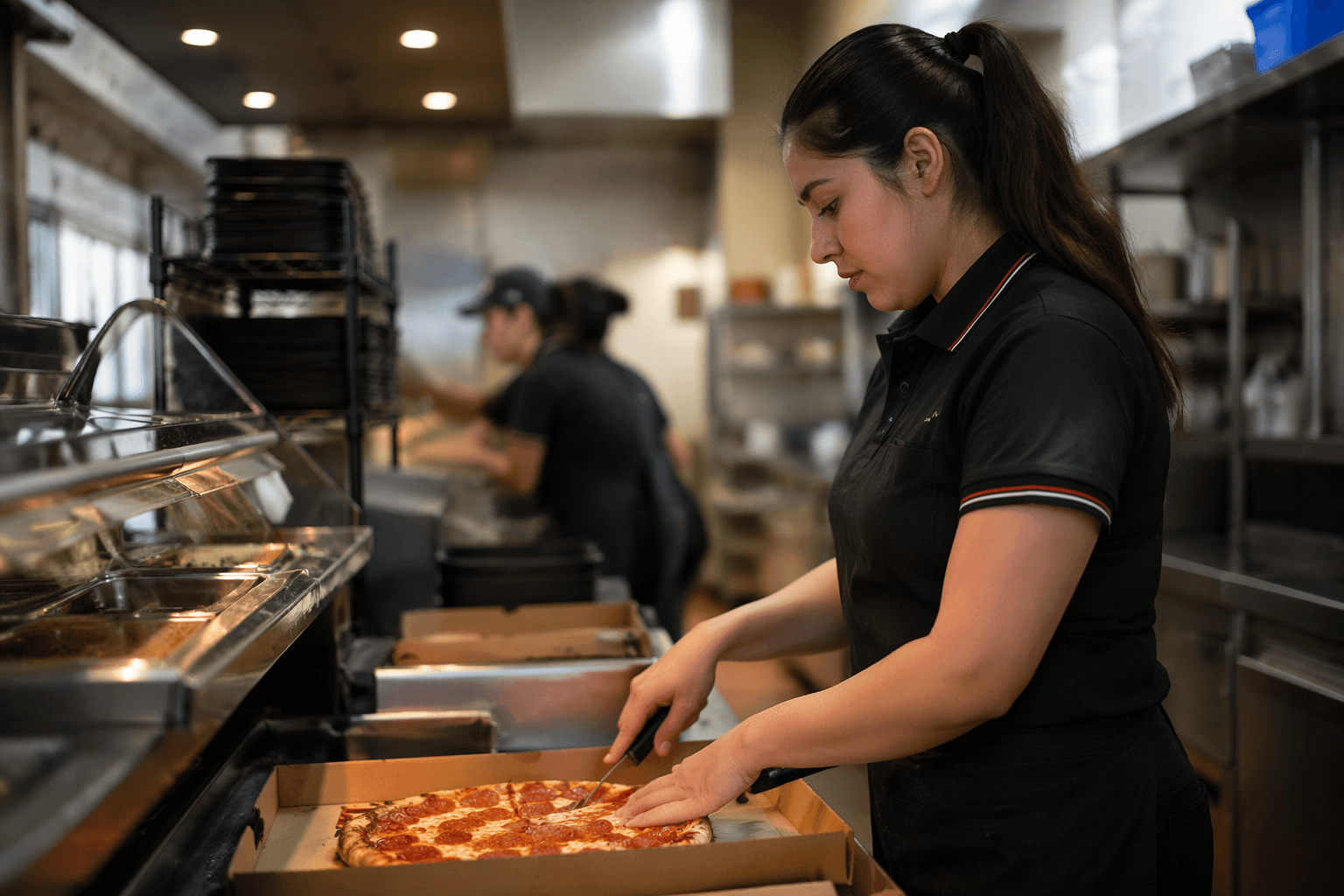
Pizza Hut workers face sharp contrast between store jobs and gig delivery
The same delivery shift can look profitable until gas, insurance, and lost protections are counted. For Pizza Hut workers, classification can change what lands in your pocket.
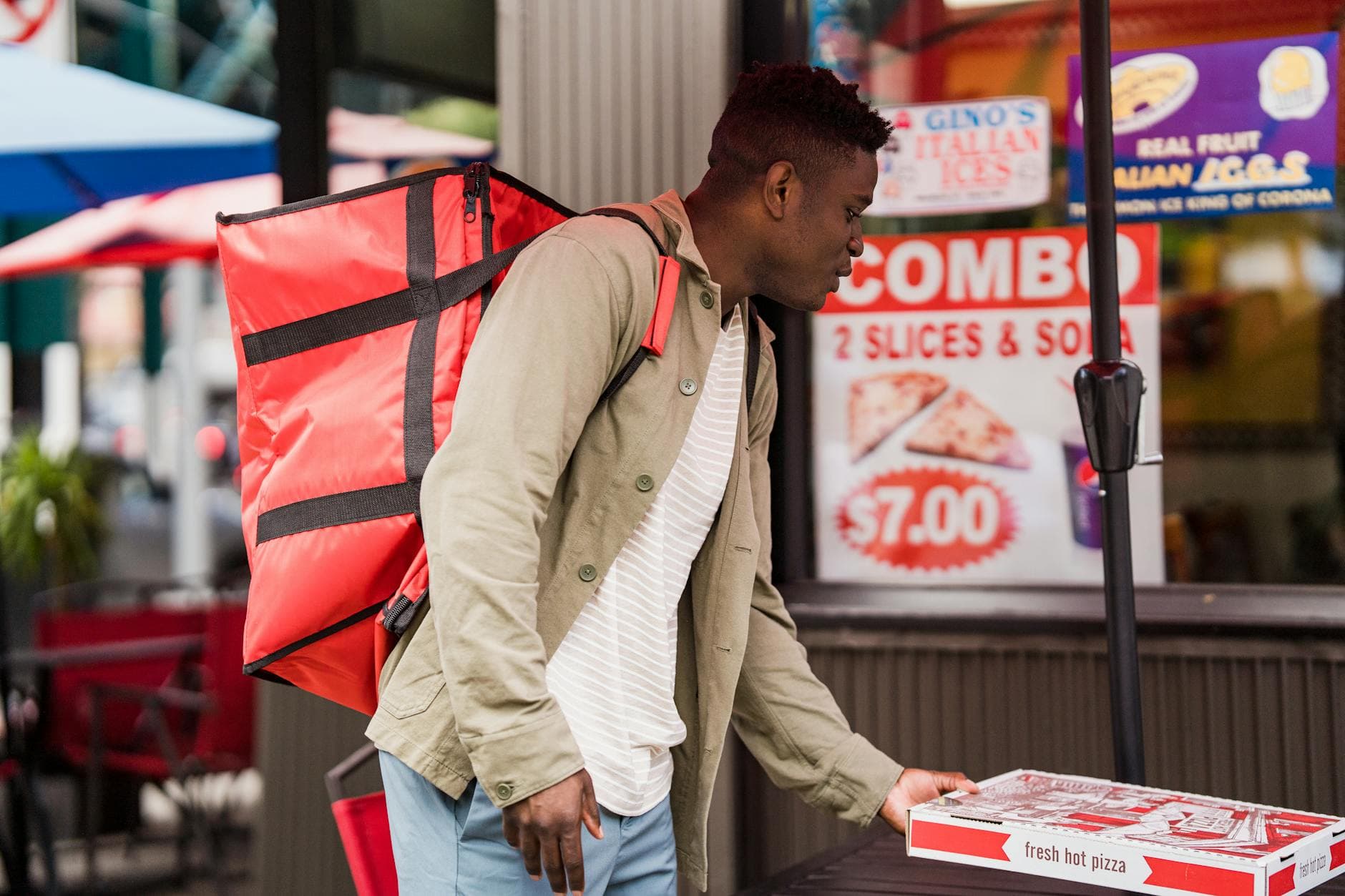
The real takeaway is simple: the same delivery shift can produce very different take-home value once gas, insurance, and legal protections are counted. For Pizza Hut workers, the line between a store job and gig-delivery work is not a legal technicality. It can decide whether a shift comes with overtime, who eats the car costs, and whether you are covered when the schedule dries up or an injury happens on the job.
Why classification matters on a Pizza Hut shift
The Department of Labor’s current text for 29 CFR Part 795 says worker status under the Fair Labor Standards Act turns on the economic realities of the relationship. In plain English, the question is whether you are economically dependent on the business or operating as a business of your own. That matters because independent contractors are not covered by the FLSA’s minimum wage, overtime, and recordkeeping protections, and a company cannot fix that just by calling someone a contractor.
For Pizza Hut teams, that distinction is especially concrete. Traditional drivers, cooks, and shift workers usually operate inside a schedule built by the store, supervised by managers, and tied to route assignments, prep, and closing duties. Gig delivery through apps such as DoorDash or Uber Eats often gives the courier more control over when to log on, but that flexibility comes with a different tradeoff: more of the expense and risk falls on the worker.
Store job or gig delivery: the practical split
The legal label can change the economics of a single night on the road.
- Overtime: Employees can qualify for overtime when they work beyond the legal threshold. Independent contractors do not get FLSA overtime coverage.
- Mileage and car costs: A store driver may be working under company rules and reimbursement systems, while a gig courier often absorbs more of the fuel, maintenance, insurance, and depreciation on a personal vehicle. A 2020 Labor Department opinion letter specifically addressed how employers can reimburse drivers who use their own cars for pizza and other food deliveries while still meeting minimum-wage rules.
- Workers’ comp: If you are an employee, an on-the-job injury is more likely to run through workers’ compensation systems. If you are treated as a contractor, that protection is often much thinner or unavailable, which matters the minute a wet floor, a parking lot slip, or a car crash turns a shift into a medical bill.
- Unemployment protection: Employee status can also matter if hours get cut, a store closes, or a franchisee trims staff. Contractors usually do not have the same unemployment cushion when work disappears.
- Schedule control: A Pizza Hut driver may have to cover a set shift, follow a mapped route, and take direction from a manager. A gig courier may be able to skip an offer or log off entirely, but that control over the day comes with less protection tied to the job.
That is why the same delivery run can be framed two ways. One version looks like steady employment with rules, oversight, and legal backstops. The other looks like independence, but the worker shoulders more of the cost and absorbs more of the risk.
What the federal government is signaling now
The Labor Department has been moving around this issue for more than a year. In a May 1, 2025 field-assistance bulletin, the department said investigators should not apply the 2024 independent-contractor rule’s analysis in current enforcement while the agency reviewed that rule. Then, on February 26, 2026, the department proposed rescinding the 2024 final rule and replacing it with a streamlined analysis closer to the 2021 approach. The public comment period on that proposal closed April 28, 2026.
That matters to Pizza Hut workers because the federal government is not treating the contractor question as settled. Under Julie Su, the department has been telling employers and investigators that the economic realities test still matters, and that a label alone does not decide whether someone is protected as an employee. For restaurants, that puts more pressure on the real work being done in the store, not the wording on a form.
Why the enforcement cases keep landing in pizza delivery
The government has already used pizza delivery cases to show how this issue plays out. In April 2023, the Labor Department secured a $250,000 consent judgment against five Rosati’s Pizza franchise locations in Illinois and Indiana covering 35 restaurant and delivery employees. Investigators found that store management controlled the drivers’ hours and assigned their tasks even though the drivers had been treated as independent contractors. That is the kind of detail that makes the legal test feel very close to the line station and the dispatch screen.
A similar pattern showed up in July 2022, when the department recovered $608,272 in back wages and liquidated damages for 33 workers at six Mountain Mike’s Pizza franchise locations. Different brand, same lesson: when franchise management controls the work, contractor status can collapse fast under federal scrutiny. In one case, the issue was delivery drivers. In the other, it was overtime. Both underscore that restaurants cannot simply outsource the risks of running a delivery operation and assume the legal exposure disappears with it.
Why this is bigger than one brand
Pizza Hut sits inside a huge franchise network. Yum! Brands says it works through roughly 1,500 franchisees, operates more than 63,000 restaurants, and has a presence in more than 155 countries and territories. That scale means classification rules are not just a payroll issue at one shop. They shape how a massive slice of the quick-service workforce is scheduled, paid, and protected.
The debate also reaches far beyond pizza. California has been a major battleground over gig-worker status, with app-based drivers for Uber, Lyft, and DoorDash at the center of employee-versus-contractor fights. That broader conflict helps explain why a Pizza Hut driver, a kitchen crew member, and a store manager should all care about the same legal question. The answer affects pay, overtime, expense reimbursement, and whether the job behaves like employment or like a private business arrangement that shifts the costs onto the worker.
For Pizza Hut workers, the safest way to read the difference is not as theory but as a paycheck test. If the company controls the hours, assigns the route, supervises the work, and depends on that labor to keep the store running, employee protections start to matter in a very immediate way. If the job is pushed into gig territory, the worker may gain flexibility but lose the protections that make a delivery shift add up after gas, insurance, and wear on the car come out of the total.
This article was produced by Prism’s automated news system from verified source data, official records, and press releases, then run through automated quality and moderation checks before publishing. The system is built and supervised by the people who set the standards it runs under. Read our full AI policy.
Did this article answer your question?