Papa Johns tests drone delivery as AI ordering expands
Papa Johns’ Charlotte drone test showed how fast pizza delivery is moving toward app-led, AI-guided service, raising the bar for Pizza Hut workers.
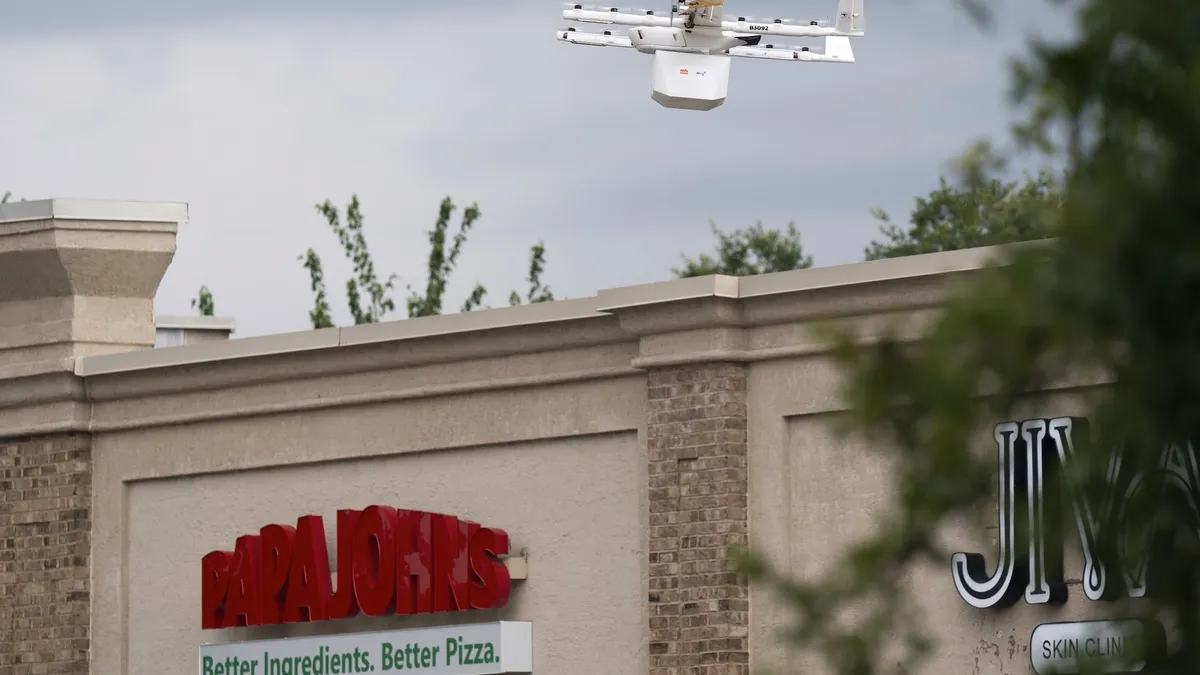
Papa Johns turned a drone test into a clear competitive signal for the rest of the pizza business. The chain and Wing said the pilot began in Charlotte, North Carolina, and marked Wing’s first direct partnership with a national restaurant brand, with service starting in the Sun Valley Commons area of Indian Trail, North Carolina.
The initial menu was narrow but pointed: eligible customers could order Philly Cheesesteak, Chicken Bacon Ranch and Steak and Mushroom Oven Toasted Sandwiches through the Wing app. Wing said the program would begin there and later connect to Papa Johns’ first-party app and Lou AI, the company’s AI ordering assistant. Papa Johns unveiled Lou AI on April 28, 2026 as a next-generation pizza assistant meant to simplify group orders, while its digital chief has described the brand’s broader shift toward reworking how customers interact with the company online.
That matters well beyond one Charlotte pilot because Papa Johns has been building the digital stack behind it for months. On April 3, 2025, Papa Johns and Google Cloud expanded their partnership and said the company’s PJX innovation team would use AI, data analytics and machine learning to improve personalization, delivery and the overall customer experience. The company has also said the Google Cloud work is aimed at increasing order frequency, driving higher-value orders, reducing customer service costs and improving satisfaction.
For Pizza Hut employees, the warning is not that drones will replace every delivery run tomorrow. It is that rivals keep raising expectations for speed, convenience and tech-enabled handoff. When another pizza chain can offer a drone pilot tied to app ordering and an AI assistant, Pizza Hut stores feel more pressure to keep digital ordering smooth, routing efficient and orders accurate. That can put more strain on drivers, whose value increasingly comes from local flexibility and service, and on kitchen crews, who have to keep up with tighter delivery timing without extra room for mistakes.
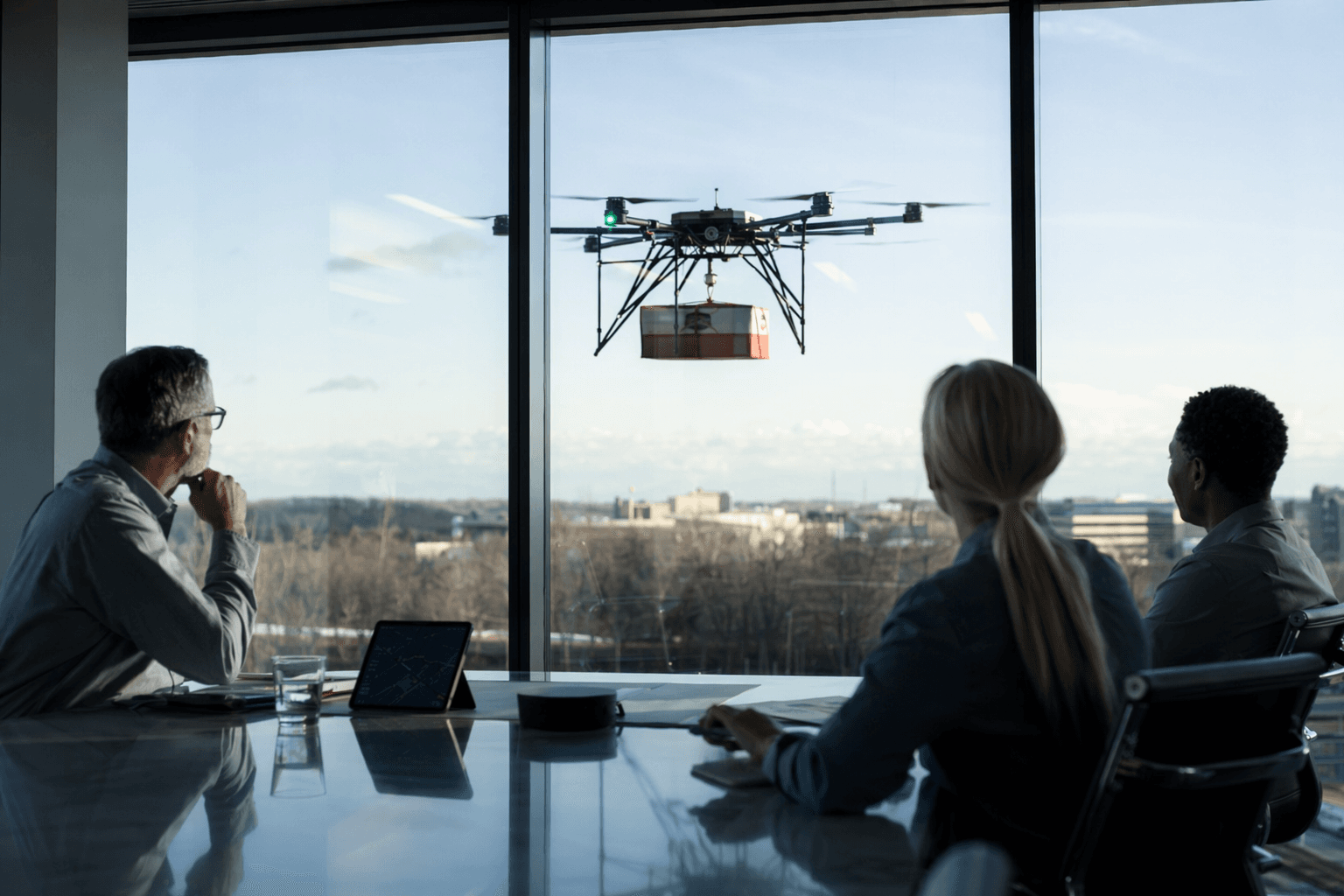
Pizza Hut has been in this race for years. Its Google Cloud case study says the chain runs more than 16,700 restaurants in over 100 countries, and that digital orders made up 53% of all restaurant delivery orders, up from 33% in 2013. In 2018, Pizza Hut announced a global alliance with Toyota to explore fully autonomous delivery vehicles and said its delivery algorithm was improving accuracy and reliability. That same year, Pizza Hut also tested autonomous cart delivery with FedEx in Memphis, Tennessee. More recently, Yum! Brands said its Byte platform was live in roughly 38,000 restaurants globally, with more than 370 million digital transactions in 2025 and about $40 billion in digital sales. Byte’s Smart Operations has been credited with as much as a 10% lift in consumer satisfaction and an 85% reduction in stockouts.
Taken together, the Papa Johns-Wing pilot showed where the category is headed: more automation, more app-driven ordering and more pressure on Pizza Hut teams to match the pace.
Know something we missed? Have a correction or additional information?
Submit a Tip