Pizza Hut adapts as off-premises dining becomes the new normal
Three out of four restaurant orders now leave the building. For Pizza Hut crews, speed, sealing, and handoff are the real shift.
The new normal is already in the numbers
Nearly 75% of restaurant traffic now happens off-premises, which means almost 3 out of 4 orders are taken to go. For Pizza Hut, that turns the store into a fulfillment hub, where the job is not just making food but getting it out fast, hot, and accurate.
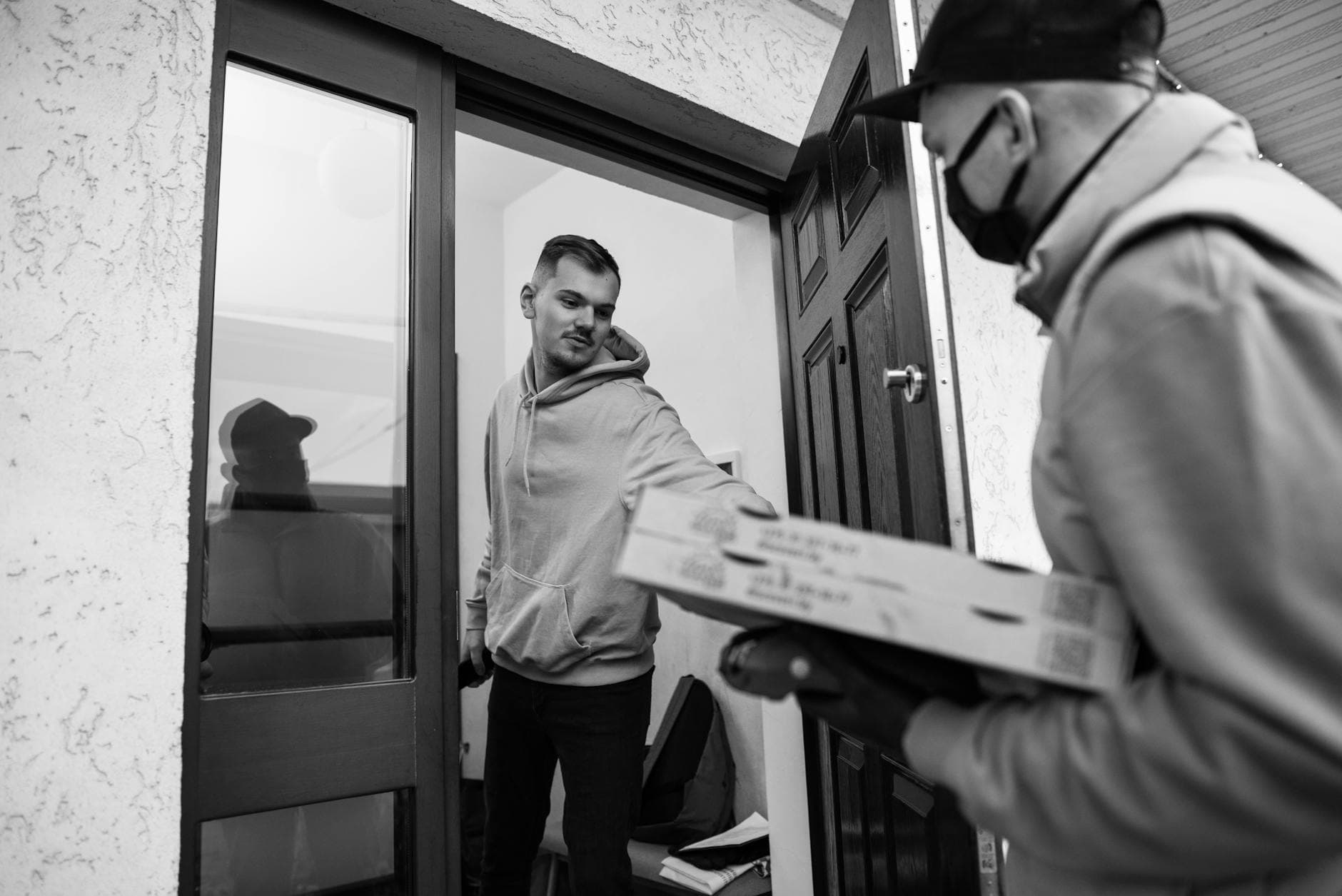
The National Restaurant Association’s 2025 Off-Premises Restaurant Trends report shows this is not a temporary spike. Off-premises traffic at full-service restaurants climbed from 19% in 2019 to 30% in 2024, while limited-service restaurants went from 76% to 83% over the same stretch. The Association also says nearly 6 in 10 Gen Z and millennial consumers order takeout or drive-thru meals weekly, which makes speed and consistency a daily expectation, not a bonus.
What changes on the floor
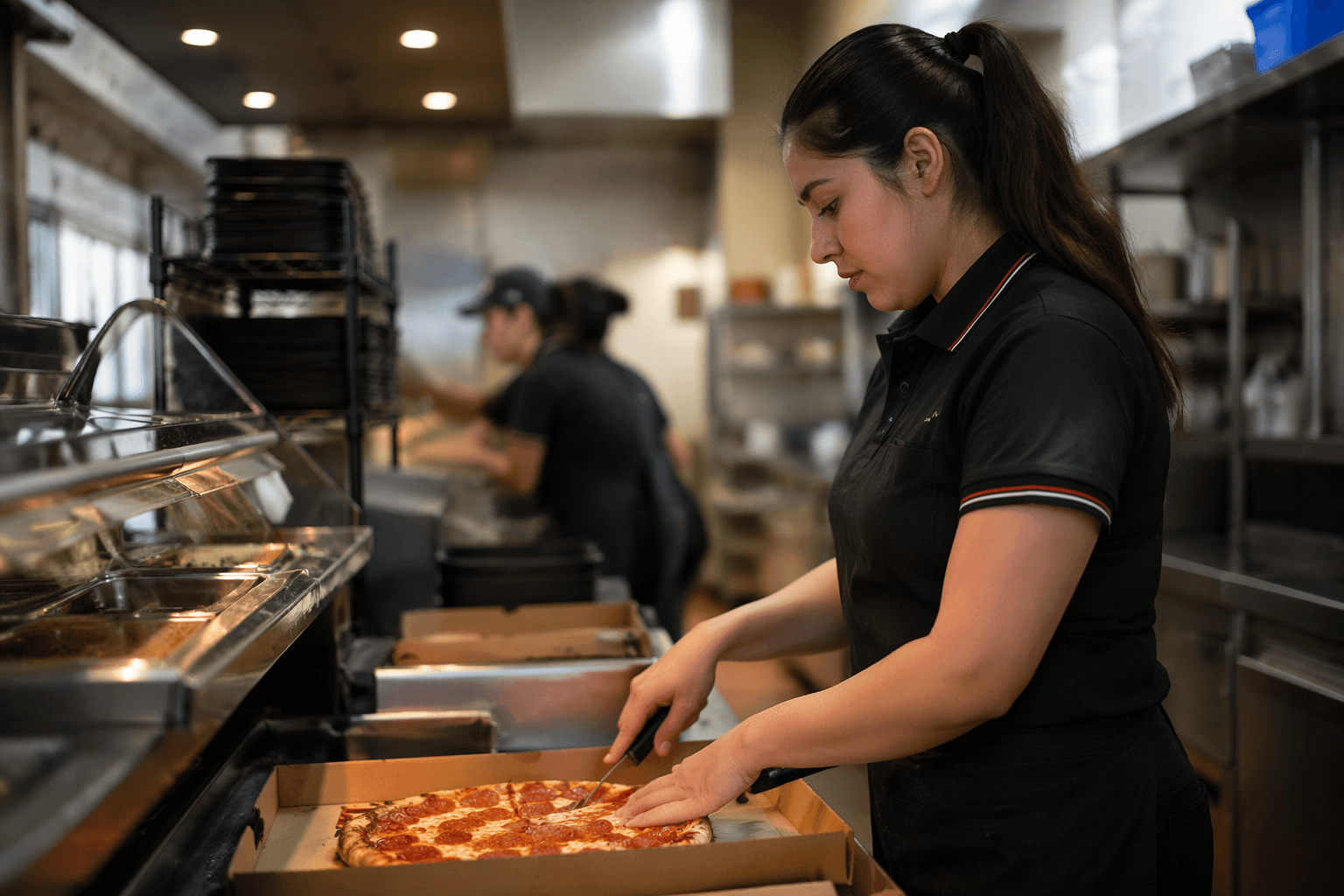
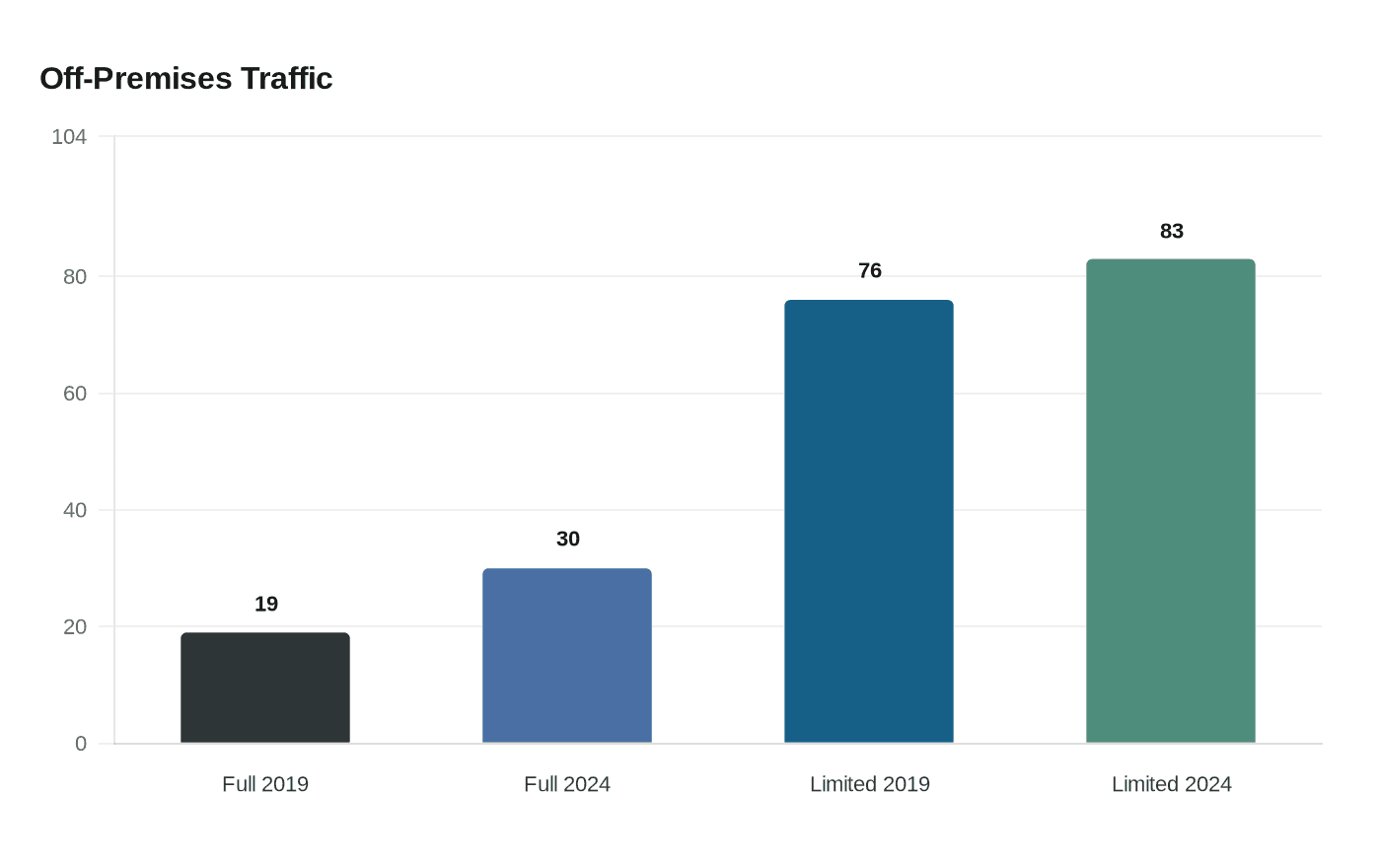
At store level, that shift changes the job for everyone. For kitchen crew, accuracy and sealing matter as much as cooking, because the order may never sit down at a table or get a second look from the customer. For drivers, the real work starts before the wheels turn, with timing, packaging, and whether the bag is ready when it is supposed to be ready.
Managers now have to think differently about labor, too. The biggest pressure points are the handoff areas, delivery shelves, and carryout counters, because that is where the brand experience gets decided in the last stretch before a customer leaves the store or pulls away from the curb. If the phone queue slips, the app timing gets sloppy, or the pickup shelf becomes a bottleneck, the whole rush feels it.
That is why off-premises planning has to start with the clock. Phone orders, app orders, delivery dispatch, and pickup staging all have to be sequenced together, not handled as separate chores. The store that wins the shift is usually the one that treats the make line, the counter, and the driver flow as one system instead of three.
Pizza Hut was built for a different era, then remade for this one
Pizza Hut’s history makes the current pivot easier to understand. The brand was founded in 1958 by the Carney brothers, starting with $600 borrowed from their mother, and the red roof became part of the company’s image in 1971. For years, the brand was associated with family dinners and dine-in occasions, not just quick handoffs.
That legacy still matters, but so does the company’s delivery identity. Yum! Brands says Pizza Hut now has 19,000+ restaurants in 108 countries and delivers more pizza, pasta and wings than any other restaurant in the world. The brand also highlights milestones that fit the current model, including being the first online order and the first to deliver pizza in space.
Those details point to the same conclusion: Pizza Hut has been moving toward off-premises for a long time, even if the dining-room era built its original image. What used to be a restaurant with delivery attached is increasingly a delivery business with a small storefront attached.
The transformation became visible in 2019 and has not slowed
The operational shift accelerated in 2019, when Pizza Hut began a major U.S. transformation toward smaller delivery-and-carryout restaurants. QSR Magazine reported that the brand had a $130 million modernization agenda, and that its U.S. footprint moved from 7,559 locations in Q2 2019 to 6,474 restaurants in Q1 2025.
By the time of that 2025 reporting, about 90% of Pizza Hut’s business was flowing off-premises, and close to 90% of new builds were delco stores, short for delivery-and-carryout. That matters for workers because the store design, staffing pattern, and peak flow are all being built around what leaves the building, not what fills the dining room.
For crews, that changes what a busy shift looks like. The rush is less about resetting tables and more about keeping orders moving through production, staging, and handoff without a breakdown. The store lives or dies on whether takeout and delivery demand is met first, because that is where most of the volume now lives.
The labor squeeze is part of the story, too
Off-premises growth does not erase cost pressure. Reuters and restaurant trade reporting have documented the strain delivery economics can put on labor and staffing, including two California Pizza Hut franchisees laying off more than 1,200 delivery workers ahead of a fast-food wage hike. That kind of move shows how quickly higher labor costs can collide with a delivery-heavy model.
For franchise operators, the math is harsh. More off-premises traffic can keep a brand relevant, but it can also squeeze margins if stores miss timing targets, overstaff the wrong daypart, or fail to manage packaging and handoff cleanly. Local managers end up balancing two demands at once: protect speed and accuracy for customers, while protecting labor hours in a model where every extra minute can cost money.
- Stage bags before the driver arrives, not after.
- Build prep around the promised pickup time, not the easiest kitchen rhythm.
- Check sealing and order accuracy before the handoff, because the customer may never step inside.
- Treat the delivery shelf and carryout counter as production tools, not storage space.
- Plan for the rush to bunch up, because app orders, phone orders, and pickup traffic often hit at once.
That is why the practical playbook is so specific now:
Pizza Hut’s off-premises shift is not a side story anymore. It is the operating system, and every shift now depends on whether the store can turn that volume into a clean handoff instead of a bottleneck.
This article was produced by Prism’s automated news system from verified source data, official records, and press releases, then run through automated quality and moderation checks before publishing. The system is built and supervised by the people who set the standards it runs under. Read our full AI policy.
Did this article answer your question?