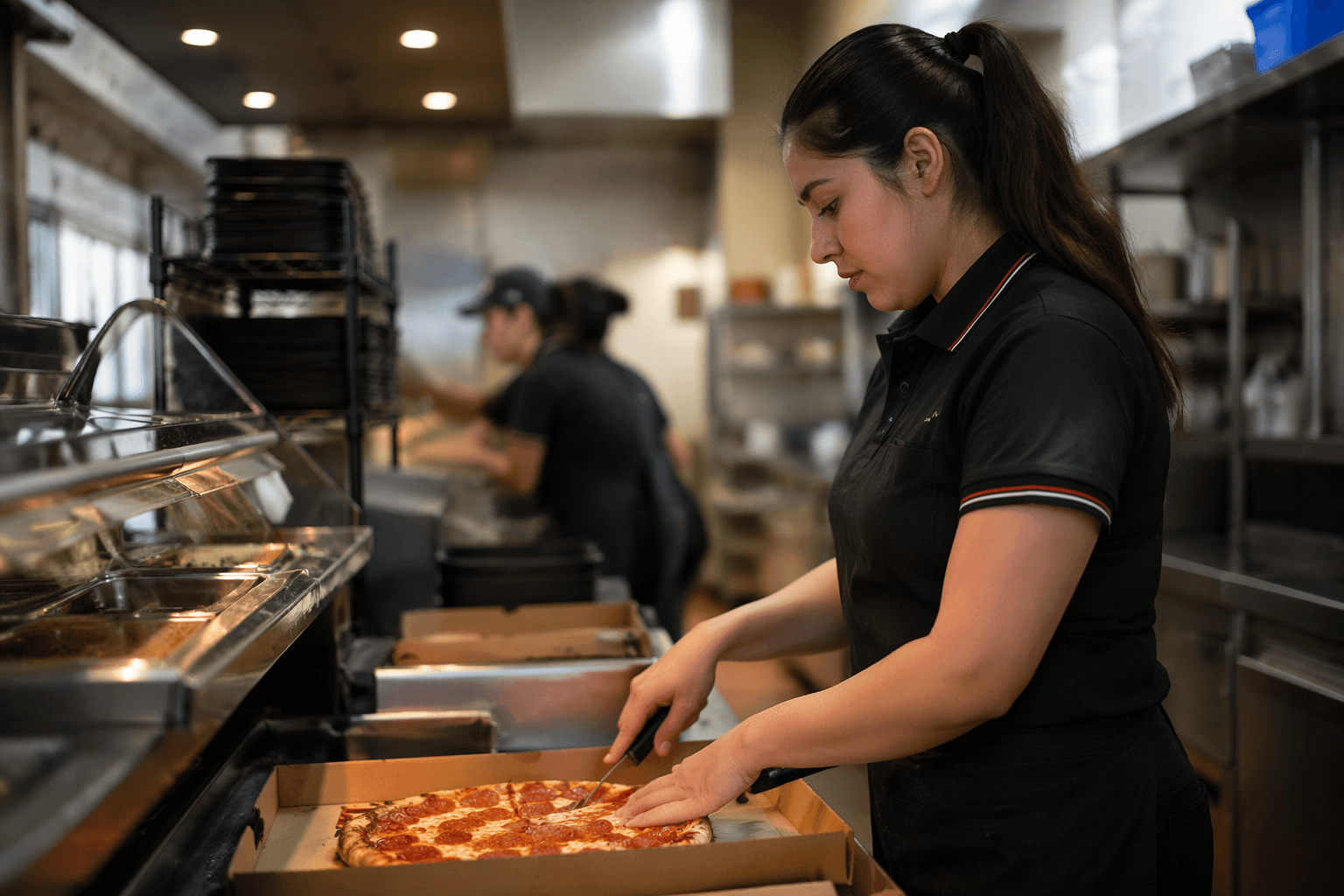
Pizza Hut workforce mirrors industry trend, younger, diverse, and management-ready
Pizza Hut’s crews are younger, more diverse and more likely to be in school, a mix that makes flexible schedules and fast training a business necessity.
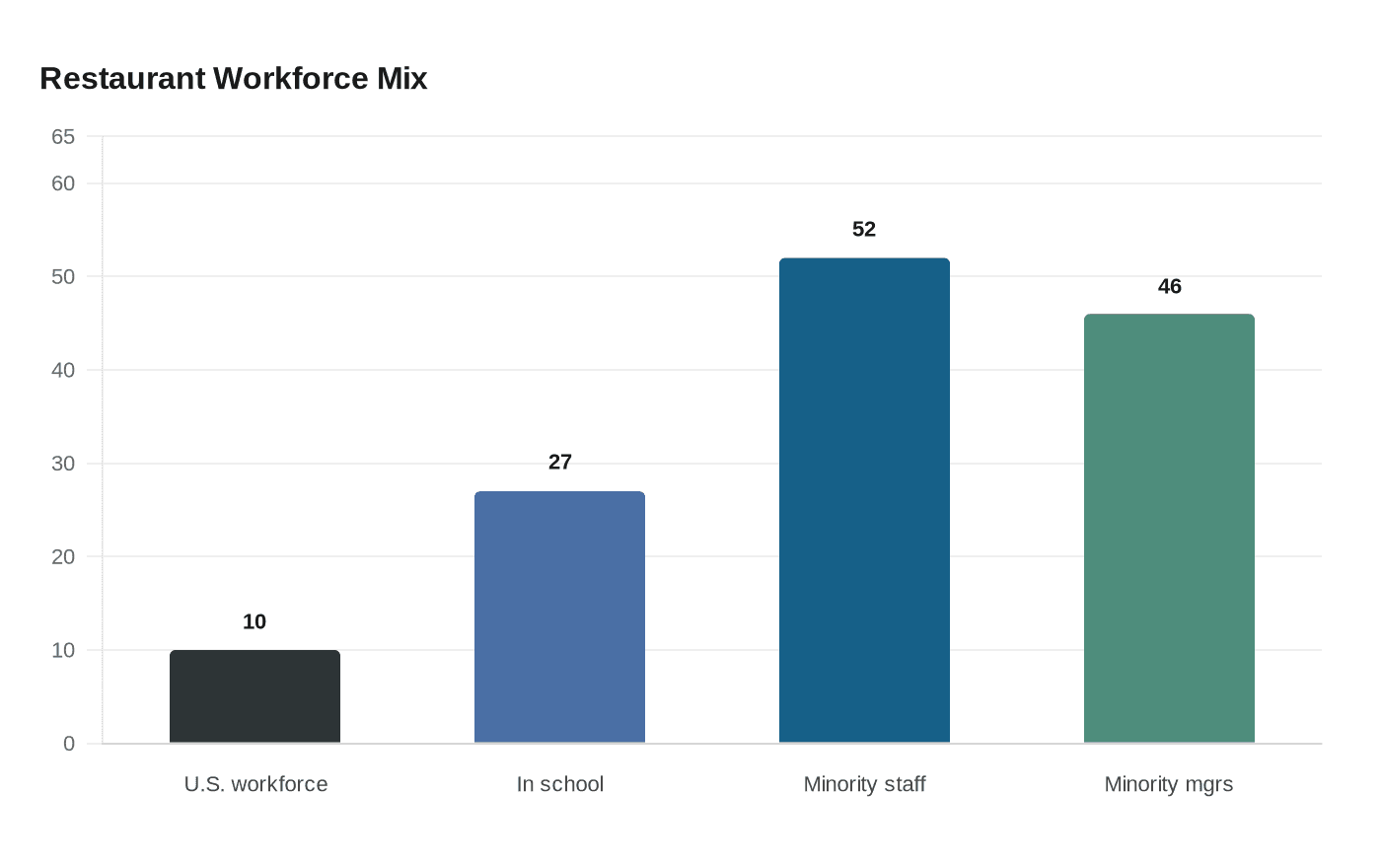
Pizza Hut’s labor pool looks less like a traditional nine-to-five workforce and more like a rotating cast of students, first-job hires and employees building toward management. That matters on the make line and in the driver seat: the restaurant industry employs 15.7 million people, or 10% of the U.S. workforce, and 27% of those workers are enrolled in school, according to a National Restaurant Association demographic brief built from 2024 Census data.
The same brief shows why schedule-building at a Pizza Hut store is never just an HR exercise. More than 6 in 10 restaurant employees have never been married, 52% are minorities, and 46% of restaurant managers are minorities, a larger share than any other sector in the economy. For Pizza Hut managers juggling delivery shifts, prep staffing and late-night coverage, that profile means the job often sits between classes, a second job, childcare and a longer-term career path.
That mix fits Pizza Hut’s own model. The company says most U.S. restaurants are owned and independently operated by more than 100 franchise organizations, which makes local management the key decision-maker on scheduling, training pace and workplace norms. Pizza Hut says its global system includes more than 16,000 restaurants and 350,000 team members in over 100 countries, and the brand traces its start to 1958 in Wichita, Kansas, when Frank Carney and Dan Carney borrowed $600 from their mother to open a pizza place.
For store leaders, the implication is straightforward: flexibility is not a perk, it is how shifts get covered. Students need schedules that bend around class and exams. Workers with family responsibilities need predictable hours. Drivers are still competing with gig work from DoorDash and Uber Eats, where the pitch is instant flexibility, so a Pizza Hut schedule has to offer enough stability, tips and earnings potential to keep them on the roster. Kitchen crews, meanwhile, tend to need quick onboarding, clear station-by-station expectations and enough repetition to move from basic prep to dependable closing shifts.
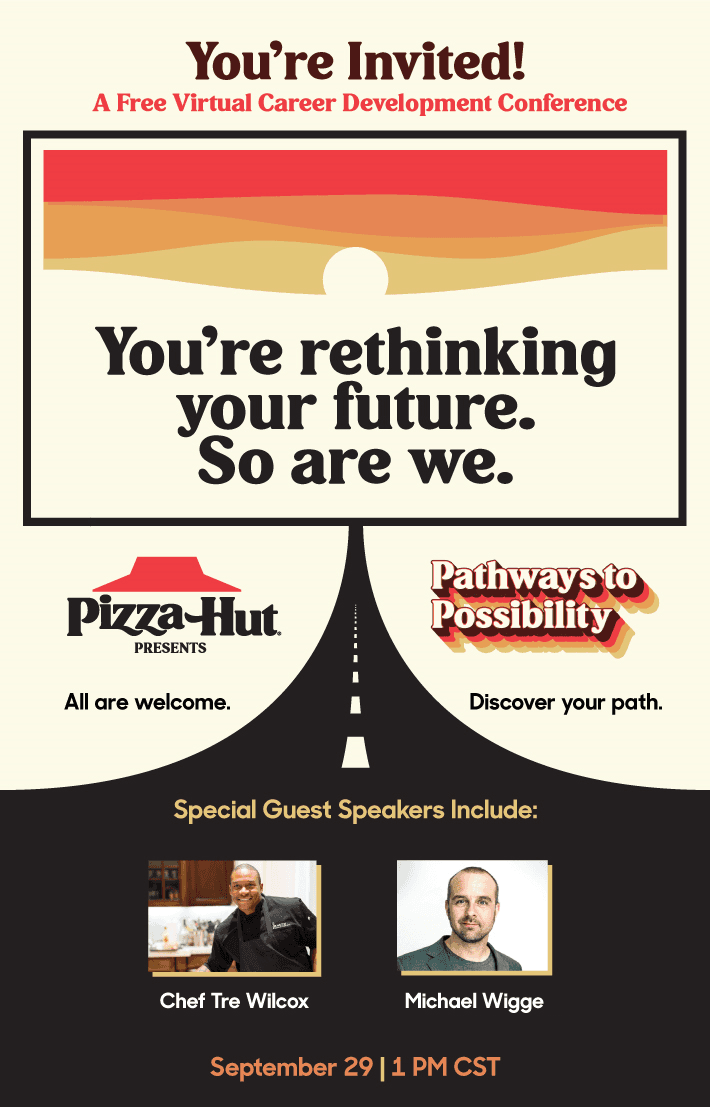
Pizza Hut’s corporate materials point in that same direction. The company says its training team has been recognized as an industry leader for blended learning programs. It also offers corporate employees up to $5,250 a year in tuition reimbursement, a 35% undergraduate tuition discount and a 20% graduate discount through Life Unboxed EDU, GEDWorks access for employees who want a free GED depending on organization participation, and on-site childcare at its Plano headquarters. The message is that education and family obligations are built into the company’s employment story, not treated as exceptions.
That workforce reality lands at a sensitive moment. Yum Brands put Pizza Hut under strategic review in November 2025, and Pizza Hut said in February that it would close 250 underperforming U.S. locations in the first half of 2026 as part of its Hut Forward program. The chain ended 2024 with just over 6,500 domestic locations. For the people still on the clock, the numbers explain the pressure: the brand is reorganizing while relying on a workforce that is younger, more diverse and often already thinking about the next step up.
This article was produced by Prism’s automated news system from verified source data, official records, and press releases, then run through automated quality and moderation checks before publishing. The system is built and supervised by the people who set the standards it runs under. Read our full AI policy.
Did this article answer your question?