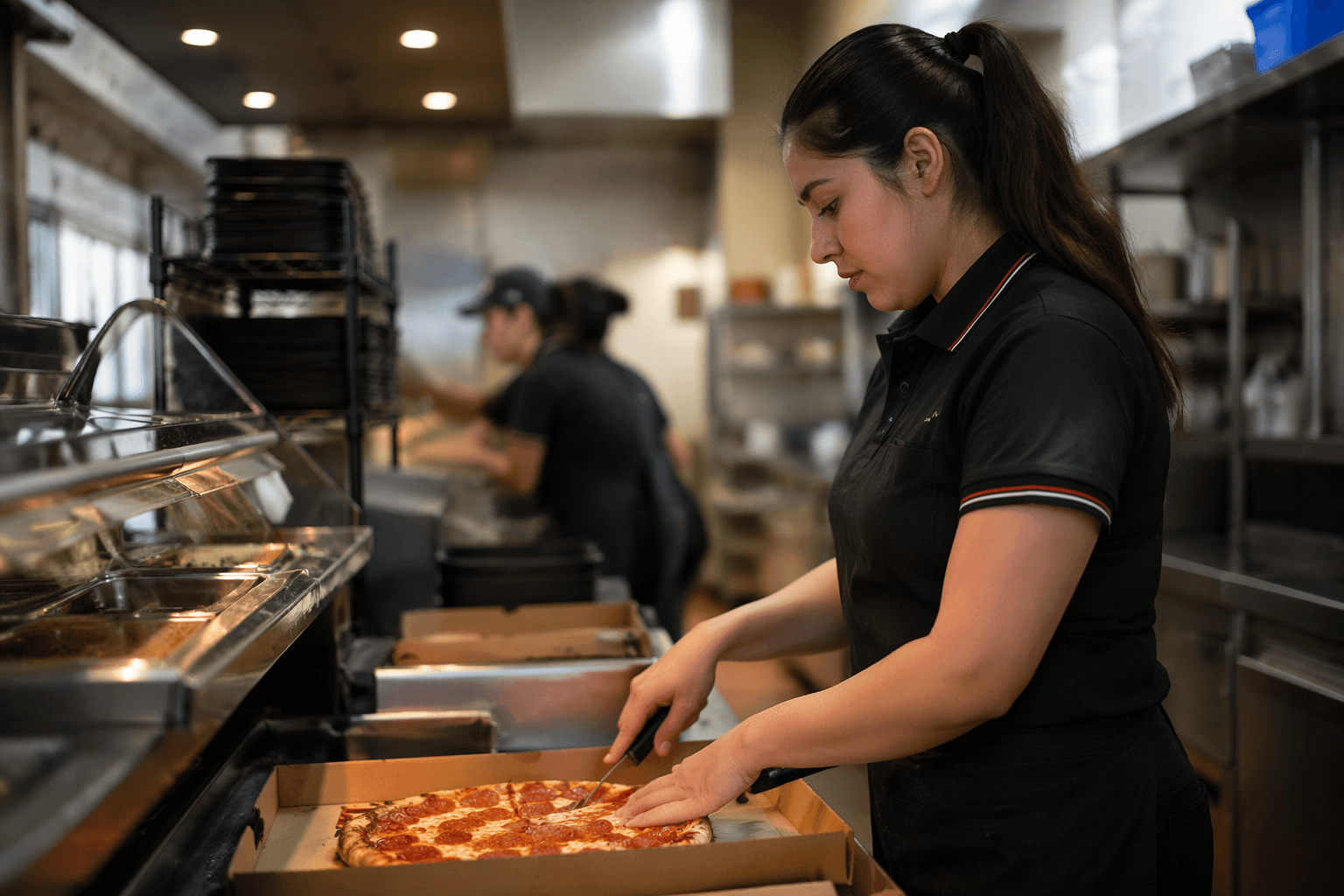
Pizza Hut corporate touts 401(k) match, tuition aid, parental leave
Pizza Hut’s corporate jobs come with a 6% 401(k) match, leave, and tuition help that store crews may never see. The catch is simple: franchise workers are employed locally, so the package changes fast once you leave headquarters.
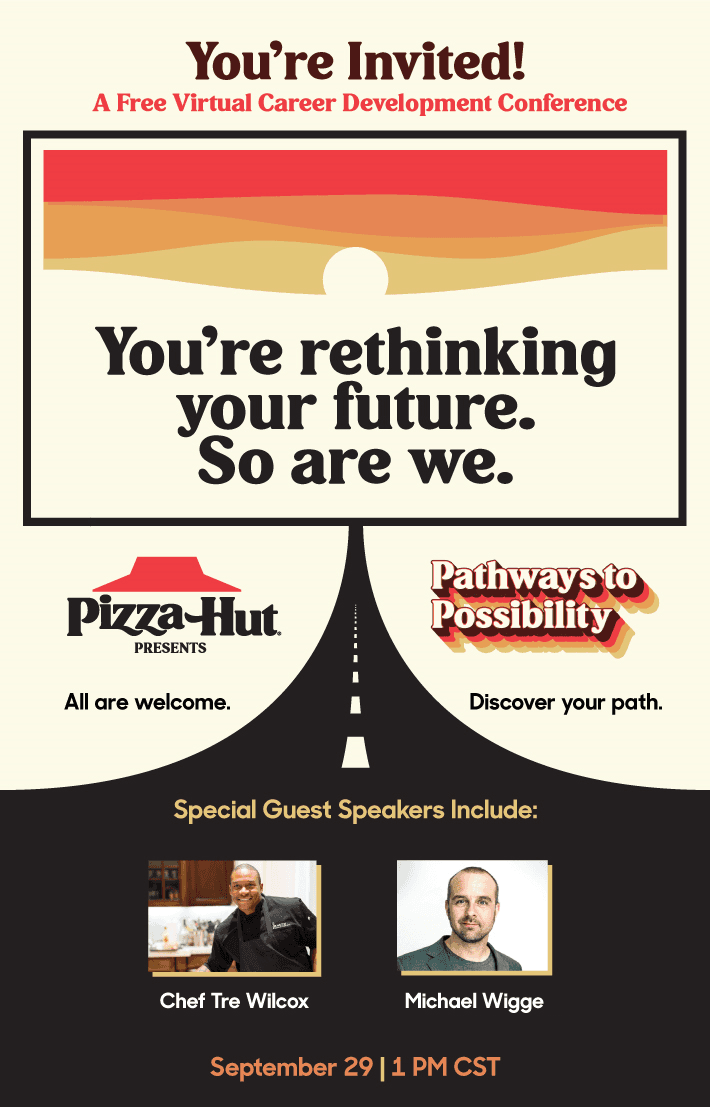
What changes when you move into corporate
Pizza Hut’s headquarters pitch is bigger than a desk job. The company says its corporate teams exist “for one reason only”: to help the system restaurants deliver the best pizza to the communities they serve, and that matters because the benefits attached to that move look very different from what a driver, cook, or shift leader usually sees in a store. Pizza Hut also says its 20-acre campus earned LEED Gold certification, which signals that the company wants office work to feel connected to real life, with wellness and family support built into the setup.
For workers trying to decide whether to stay in operations or aim for corporate, the message is clear: the move can change your financial runway, your time at home, and your access to education. It is not just a title change. It is a different employment relationship, a different benefits structure, and often a different level of long-term stability.
The benefits that actually move the needle
The most meaningful piece of Pizza Hut’s corporate package is the 401(k): the company says headquarters employees get a 6% match with no vesting period. That combination matters because it gives workers a retirement boost without making them wait years to own the employer contribution. For someone used to living shift to shift, that is a real step toward wealth building.
Family support is another major difference. Pizza Hut says corporate employees can get up to 18 weeks of maternity leave and 6 weeks of paternity leave. That is the kind of policy that changes the math for a new parent trying to balance recovery, childcare, and a paycheck. In restaurant work, especially in high-turnover stores, time off often depends on local staffing pressure and the manager’s tolerance for coverage gaps.
Education perks round out the package. Corporate employees can receive up to $5,250 a year in tuition reimbursement, and the Andy Pearson Scholarship is worth $2,500. Pizza Hut also says its Life Unboxed EDU program gives company employees and franchise organization employees a 35% undergraduate tuition discount and a 20% graduate discount through Colorado Technical University. GEDWorks is available free for eligible participants in participating organizations, which gives employees without a diploma a practical on-ramp rather than a dead end.
The company’s headquarters package also includes health and dependent care flexible spending accounts, an onsite fitness center, and wellness amenities. Pizza Hut’s campus messaging suggests that headquarters work is meant to fit around family obligations, school, and daily life, not pretend those things do not exist.
What stays local in restaurant jobs
This is where the fine print matters. Pizza Hut says franchisees are the exclusive employers of their restaurant workers and are solely responsible for employment matters in their restaurants. That means the corporate benefits package does not automatically flow down to every store, even though the brand name on the building is the same.
Restaurant-side postings can still include real value, but the mix is different. Pizza Hut’s own job listings have included same-day pay, flexible schedules, PTO, health benefits, tuition reimbursement, and in some manager postings an 8% company 401(k) match. Those are meaningful perks, especially for workers who need quick access to wages or a schedule that can flex around school pickup, a second job, or a split household calendar.
The catch is that these benefits are not guaranteed to be uniform across the system. A driver in a franchise store may get one package, while a manager in another location gets a better or worse one depending on the operator, the market, and the title. If you are staying in operations, the real question is not whether Pizza Hut has benefits somewhere in the system. It is which employer is actually signing your paycheck.
How to read the mobility signal
Pizza Hut’s career materials are more revealing than they may look at first glance. The company says it has a history of employees moving from restaurant roles into corporate offices and from driver roles into franchise ownership. That is a genuine mobility story, and it gives workers a way to think about the chain as more than a place to punch a clock.
For delivery drivers, kitchen crew, and store managers, the choice often comes down to cash now versus security later. Store work can mean faster access to same-day pay, more immediate scheduling flexibility, and the chance to stack hours when the rush is good. Corporate work can mean slower entry, but stronger retirement support, more predictable leave, and benefits that matter when life gets complicated. If you are juggling rent, tips, and the pressure of app-based delivery competition, the store may feel like the only fast option. If you are building toward child care, school, or a longer career runway, the corporate side starts to look less like a perk and more like a move up the ladder.
Pizza Hut’s own recruiting language tries to sound inclusive, saying it wants “people that want to be themselves and can live their authentic lives while making great pizza.” The real test is whether the structure behind that promise supports the people doing the work. On the corporate side, the company at least shows its hand: retirement match, leave, tuition aid, family support, and a campus designed to keep work tied to life outside it.
The bigger system behind the offer
Pizza Hut says it operates more than 16,000 restaurants with 350,000 team members in over 100 countries. That scale makes the corporate package notable, because most workers will never sit in a headquarters job even though they are part of the same brand. It also explains why the company frames headquarters as support for the restaurant system, not as a separate business with its own priorities.
The brand likes to talk about mobility, and in this case the structure does back up the story. Pizza Hut says it has been the first national pizza restaurant company to remove artificial flavors and colors from its core pizzas, another sign that the company wants to present itself as a system with a common standard. But for workers, the more pressing standard is what benefits follow you from one role to the next, and who is actually responsible when a shift gets cut, a child gets sick, or college comes back into reach.
For anyone deciding whether to stay on the front line or aim for headquarters, the comparison is not abstract. Corporate offers a fuller support structure, while store work often offers faster cash and more local flexibility. At Pizza Hut, that difference can shape not just a paycheck, but the next decade of a worker’s life.
This article was produced by Prism’s automated news system from verified source data, official records, and press releases, then run through automated quality and moderation checks before publishing. The system is built and supervised by the people who set the standards it runs under. Read our full AI policy.
Did this article answer your question?