Pizza Hut crews get dough science guidance for better consistency
Better dough handling is a quiet edge for Pizza Hut stores, improving stretch, bake consistency and training confidence while cutting waste and avoidable mistakes.
The best pizza crews know dough is not just prep, it is the point where craft turns into consistency. For Pizza Hut teams, that matters on every shift, because a clean mix, the right hydration and a steady ferment can decide whether a pie bakes up the same at lunch, late night or during a delivery-heavy weekend.
Why dough science belongs on every Pizza Hut line
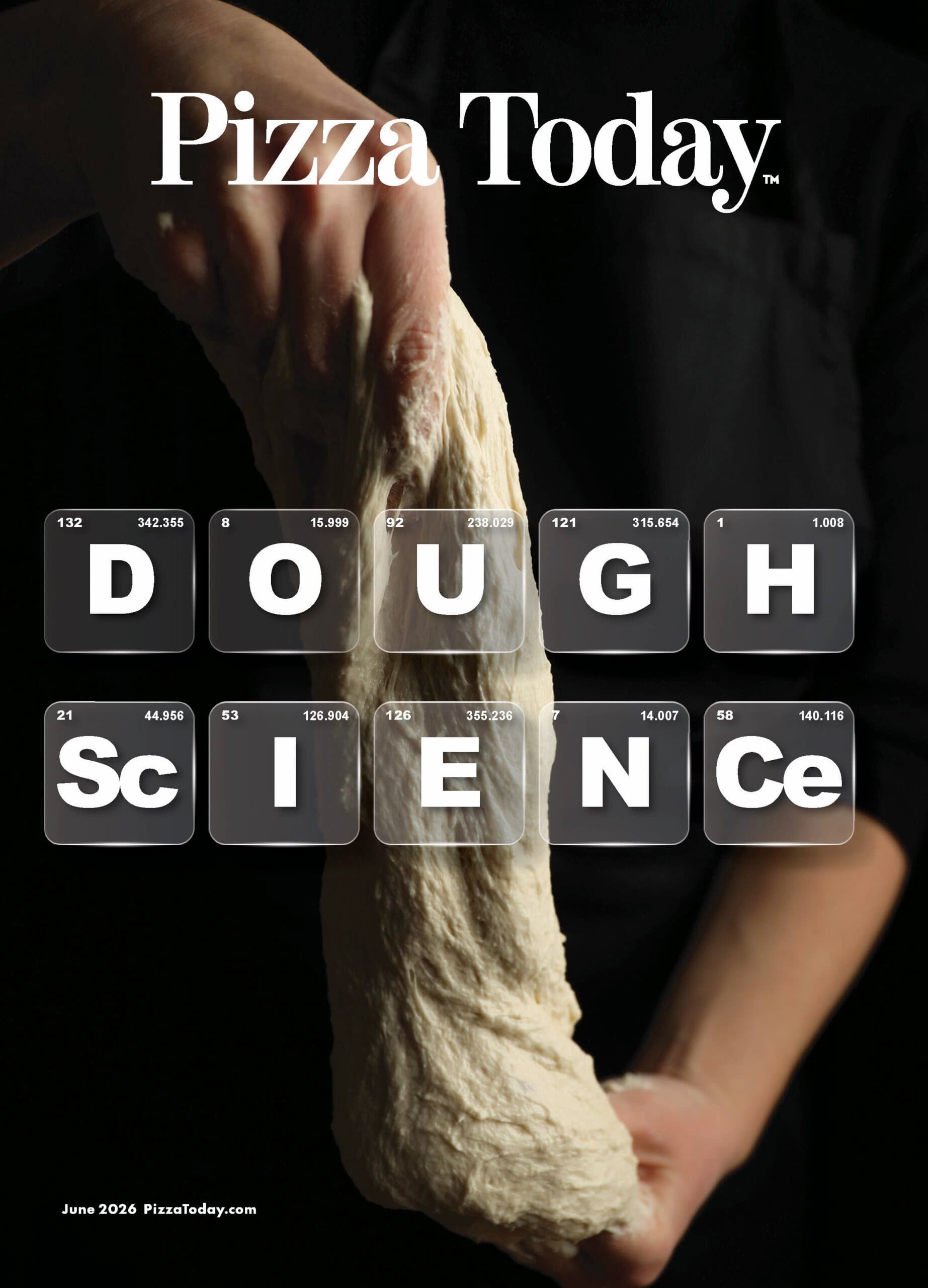
Pizza Today’s June package puts dough at the center of the conversation, and that is exactly where busy Pizza Hut stores feel the pressure most. The magazine is pushing beyond a simple recipe mindset and into the mechanics that separate average product from repeatable, high-quality pizza: how flour behaves, how time changes the dough, and how temperature and the surrounding environment shape the final bake.
That framing is useful for a chain because consistency is the real currency in a decentralized system. When crews understand why dough behaves the way it does, they are less likely to treat problems as random and more likely to spot the cause, whether that is a warm proofing area, a rushed mix, or a flour issue that shows up as weak stretch and uneven bake color.
What the guidance says crews should watch
The core lesson from Pizza Today’s dough coverage is simple: good dough is built, not guessed. The magazine points to hydration, flour, time, temperature and environment as the factors that matter most, and that is the kind of language store teams can actually use on the floor when something starts going sideways.
It also leans into modern dough practices that go beyond old-school shortcuts. The issue highlights a move toward unbleached, unbromated dough, deeper fermentation techniques, flour blending, ancient grains and tighter environmental controls. Together, those ideas point to a more disciplined kitchen culture, one where the dough station is managed with the same care as any other part of the operation.
For kitchen staff, that translates into a few practical habits:
- Measure precisely, rather than eyeballing dough inputs.
- Keep temperature under control, especially when the store is busy and the line gets hot.
- Label dough clearly so batches do not get mixed up.
- Treat waste as a process problem, not just a cleanup issue.
- Watch for mixing blunders early, before they become a bad bake or a remake.
That kind of discipline can improve crust stretch and bake quality, and it gives crews a shared standard they can trust from one shift to the next.
Why the bromate debate matters far beyond one ingredient
One of the sharper storylines in the issue is the growing move away from potassium bromate. New York lawmakers passed legislation on April 23, 2026 to ban potassium bromate in food products used in the state, and Pizza Today has been following how pizzeria owners are switching to unbleached, unbromated flour in response.
That matters because potassium bromate has long been used by many New York City pizzerias to speed up mixing and baking processes. The problem, from an operations standpoint, is that a convenience ingredient can become a dependency if the kitchen does not understand what it is doing to the dough system as a whole. A store that knows how to adjust flour, fermentation and environmental conditions has more control when ingredient rules change or suppliers shift.
For Pizza Hut operators, the takeaway is not just about one additive. It is about whether the store has enough dough knowledge to keep quality stable when the formula changes, the weather changes or a franchise owner wants to tighten standards without slowing the line.
What this means for managers training a crew
Pizza Hut’s franchise materials make clear that training is a core part of the system. Initial operations training runs 8 to 12 weeks and takes place in a certified training restaurant in Plano, Texas, backed by market planning tools and operational support. That is a big signal in a brand with 19,974 restaurants worldwide and 6,307 in the U.S. as of December 2025.
In a system that large, dough knowledge becomes more than technique. It becomes a management tool. If a store is dealing with uneven product, managers need a way to teach the “why” behind the recipe, not just the steps. The June dough coverage gives that language: hydration, flour, fermentation, temperature, environment and accountability for each batch.
That is especially valuable in a brand like Pizza Hut, which Yum! Brands says is the second-largest pizza concept in the world. At that scale, small inconsistencies can ripple across stores, markets and delivery zones. Stronger dough habits help protect the quality a customer expects and give managers a cleaner way to coach new hires, shift leaders and long-time crew members who may be stuck in old habits.
The real payoff for store crews
This is where the craft-and-pride part comes in. Dough science is not just about solving technical problems, it is about building a store identity that people can taste. When crews know how to handle dough properly, they are more confident at the bench, less likely to create waste and more able to turn out a product they would stand behind.
For drivers, that consistency matters too. Fewer remakes mean faster handoffs, steadier ticket times and fewer complaints arriving with the box. For kitchen crews, it means less frustration and more control over the final product. For managers, it means a training standard that can be taught, repeated and measured.
The bigger lesson in Pizza Today’s dough coverage is that quality is not accidental. It comes from crews who understand the science, supervisors who reinforce the process and stores that treat dough as a core operating skill. In a high-volume chain, that is what separates a decent pizza from one that feels dependable every single time.
This article was produced by Prism’s automated news system from verified source data, official records, and press releases, then run through automated quality and moderation checks before publishing. The system is built and supervised by the people who set the standards it runs under. Read our full AI policy.
Know something we missed? Have a correction or additional information?
Submit a Tip