Pizza Hut parent Yum highlights recognition, flexibility and belonging
Yum is casting recognition, flexibility and belonging as operating tools, not slogans. For Pizza Hut crews, the test is whether they change shifts, growth and retention.
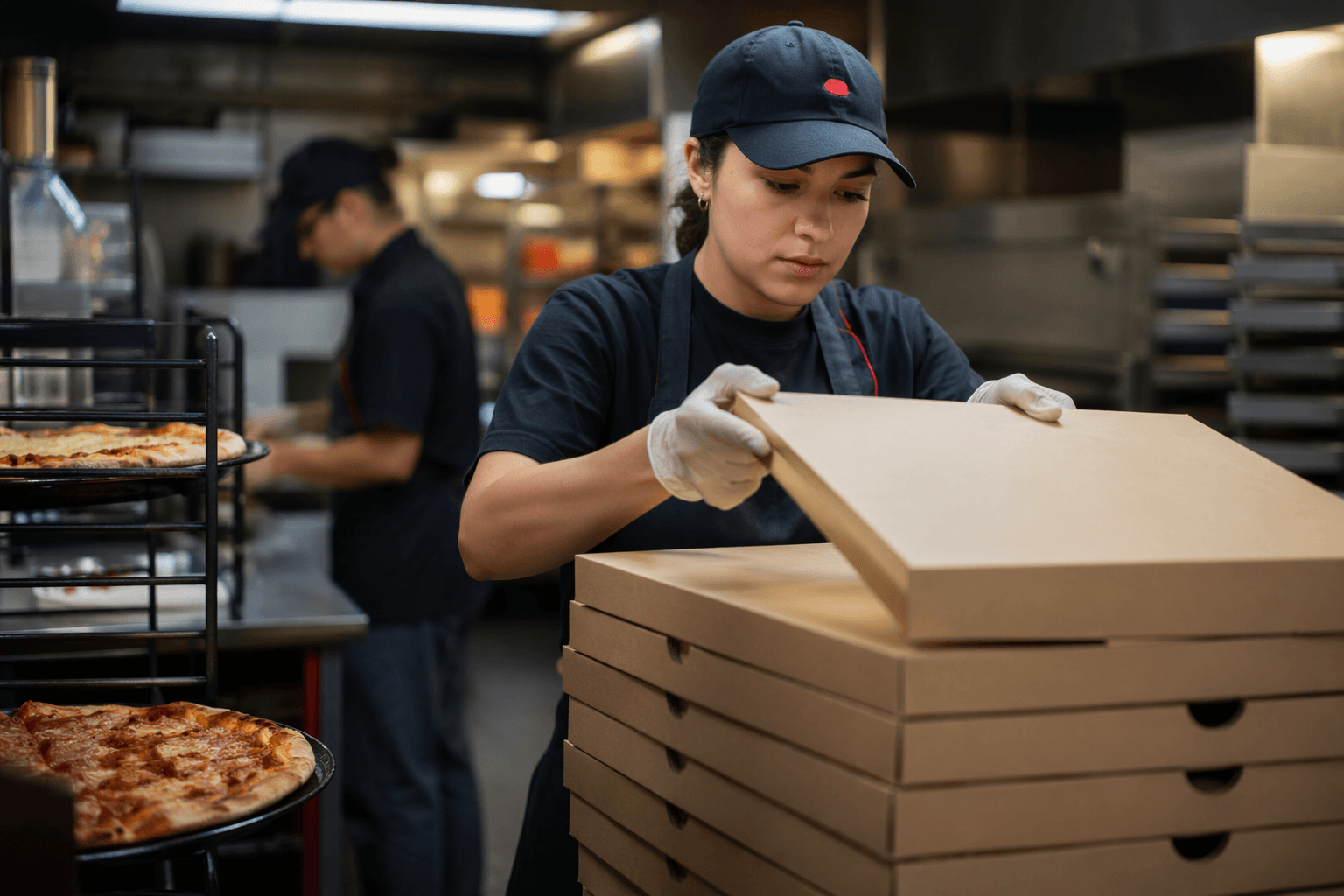
At Yum! Brands, culture is being framed as a management tool, not a wall poster. The company says recognition, collaboration, belonging and flexibility are supposed to help employees do their jobs, keep growing and feel they have a place in the business. For Pizza Hut workers, that only matters if it changes the day-to-day reality of a shift: who gets noticed, who gets support, and who can move up instead of burning out.
What Yum says its culture is for
Yum describes itself as a people-first company that is focused on customers and employees and is “making room for all people and voices” while building a business that reflects global consumers and local communities. It says the point is not just to offer jobs, but to create opportunities, benefits and flexibility that support wellbeing and professional growth. That is a broad promise, but it maps closely to the pressures restaurant workers already know: staffing gaps, unpredictable rushes, and the constant strain of keeping service moving.
The company also says its Serving Up Good ambition, which has been part of Yum since its founding in 1997, rests on three pillars: a connected, inclusive community, education and career readiness, and feeding communities. That matters for Pizza Hut because the brand is not a side project inside the portfolio. It is one of Yum’s biggest assets, and the company says Pizza Hut began in 1958 and now has more than 19,000 restaurants in 108 countries.
Why recognition matters on a Pizza Hut shift
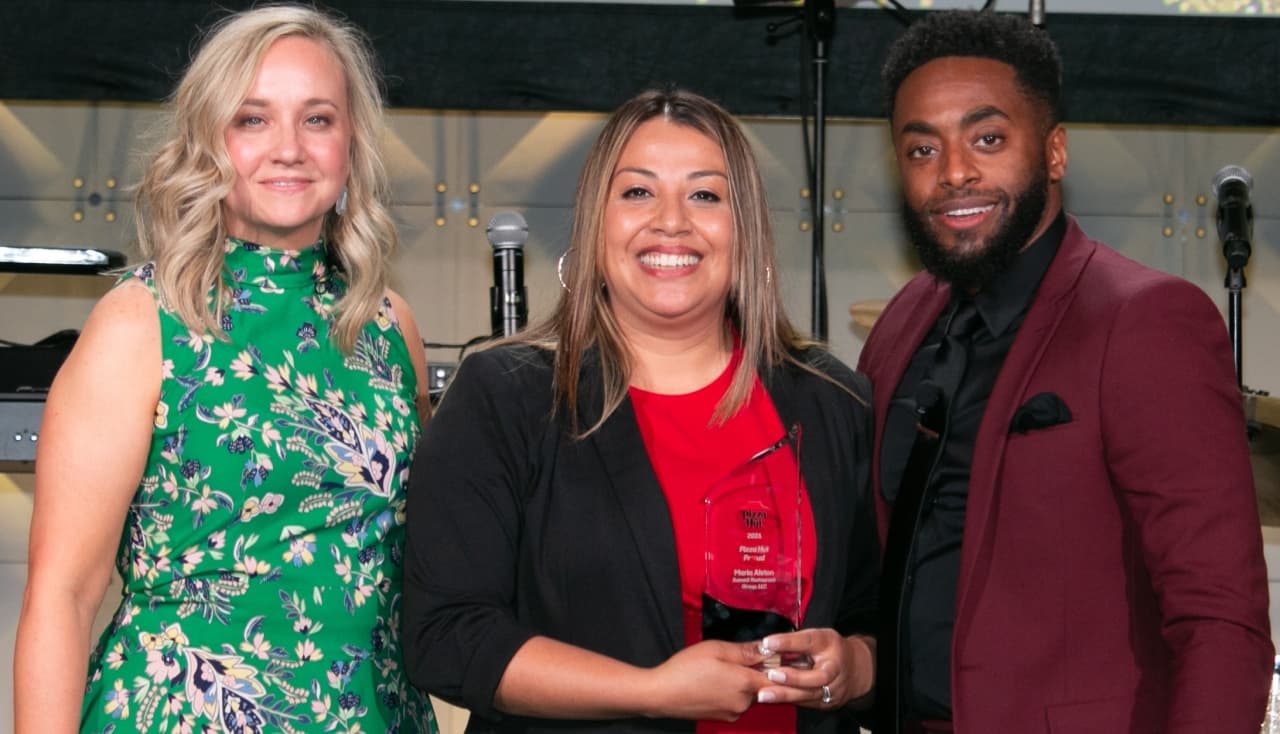
Yum’s culture page leans hard on recognition, saying it celebrates wins big and small and encourages employees to recognize teammates and function partners across the system. That sounds simple, but in restaurant work it can be the difference between a place that feels manageable and one that chews people up. When the only feedback a cook, driver or shift lead hears is about what went wrong, morale drops fast.
The company’s own framing suggests it knows that. Yum says a culture of recognition and opportunities to make a meaningful difference are primary reasons many employees stay at Yum and its brands, including Pizza Hut. For a store manager, that is not soft language. It is a retention strategy, and it points to a basic operational truth: people who feel seen are more likely to stick through busy weekends, short staffing and the pressure that comes with competing against DoorDash and Uber Eats for orders and drivers.
Belonging is meant to feel local, even inside a giant system
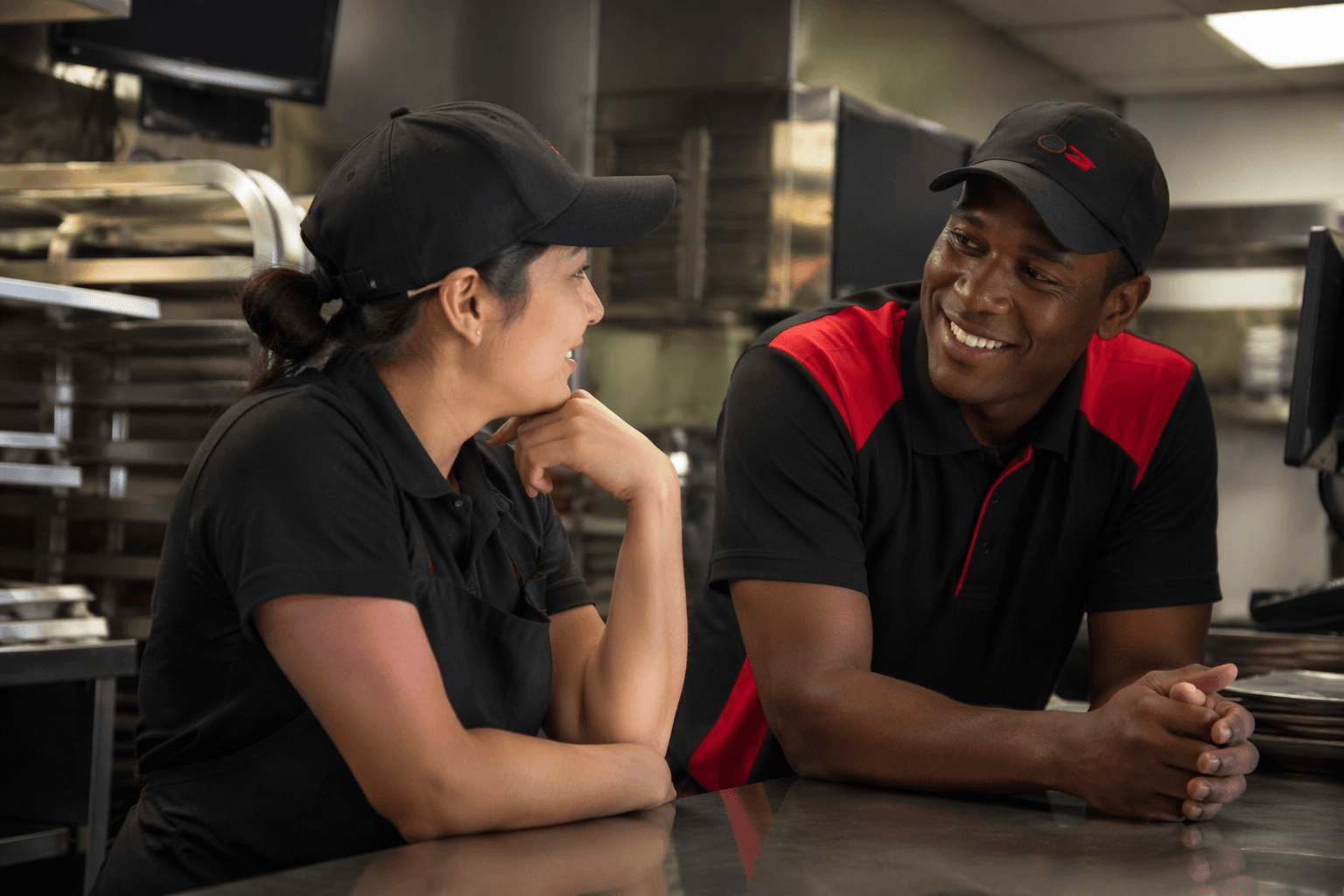
Yum says its Communities of Belonging are inclusive, employee-led groups that bring together people from all walks of life and are guided by pillars that support personal and professional growth. That is the company’s way of saying it wants employees to see the organization as more than a chain of stores. It wants a network where people can connect, feel represented and build support that carries across roles and locations.
That idea is especially important for Pizza Hut employees, because local management shapes so much of the experience. A good franchise or district can make a crew feel stable and respected; a bad one can make even a strong brand feel like a dead end. Yum’s 2022 Pizza Hut brand story said the company used a third-party analytics company to better understand how people from different backgrounds feel about belonging at Pizza Hut U.S., which suggests it has been trying to measure whether the message reaches workers in a real way, not just a theoretical one.
Yum also points to Yum Cares and Food & Futures, which focus on community support, meal access and job and career growth. That widens the lens beyond the four walls of the restaurant. Even if a crew member never works outside the store, those programs shape the larger employer brand and can influence how managers think about engagement, retention and promotion.
Career growth is supposed to move people through the system
The company’s professional development page shows that it wants workers to move, not just stay put. Yum says employees can take short-term assignments across corporate, brand and business affiliate offices, and it created Coach Academy to help build future leaders. That matters in a business where the leap from crew to shift lead to assistant manager can feel narrow unless the company deliberately builds a path.
Yum’s message is that talent should not be trapped inside one restaurant or one brand. In October 2023, the company said collaboration across KFC, Pizza Hut, Taco Bell and The Habit Burger Grill gives it a competitive advantage because talent and ideas can move across the system. For Pizza Hut managers, that means the culture push is also a staffing pipeline, with lessons and leadership expected to flow from one part of the company to another.
The business case behind the language
Yum’s scale is part of why it talks about culture this way. The company says it operates more than 63,000 restaurants in 155+ countries and territories through about 1,500 franchisees. At that size, culture has to function as operating glue. If recognition, belonging and flexibility are working, they should show up in lower turnover, better training, stronger internal promotion and more consistent execution from one market to another.
That is also why the company’s earlier commitments matter. In 2020, Yum announced a $100 million, five-year Unlocking Opportunity Initiative focused on equity and inclusion, education and entrepreneurship across its brands and franchise network. Put alongside the people page, the culture page and the development programs, the message is clear: Yum wants to be known not just as a restaurant operator, but as a company that believes a healthier workplace helps the business perform.
For Pizza Hut employees, the useful question is not whether the language sounds good. It is whether the values land in the schedule, the training, the promotion ladder and the way a manager responds after a hard shift. If recognition becomes routine, belonging feels real and flexibility is more than a buzzword, the culture pitch can help hold stores together. If not, it risks sounding like another corporate promise waiting to be proven on the floor.
This article was produced by Prism’s automated news system from verified source data, official records, and press releases, then run through automated quality and moderation checks before publishing. The system is built and supervised by the people who set the standards it runs under. Read our full AI policy.
Know something we missed? Have a correction or additional information?
Submit a Tip