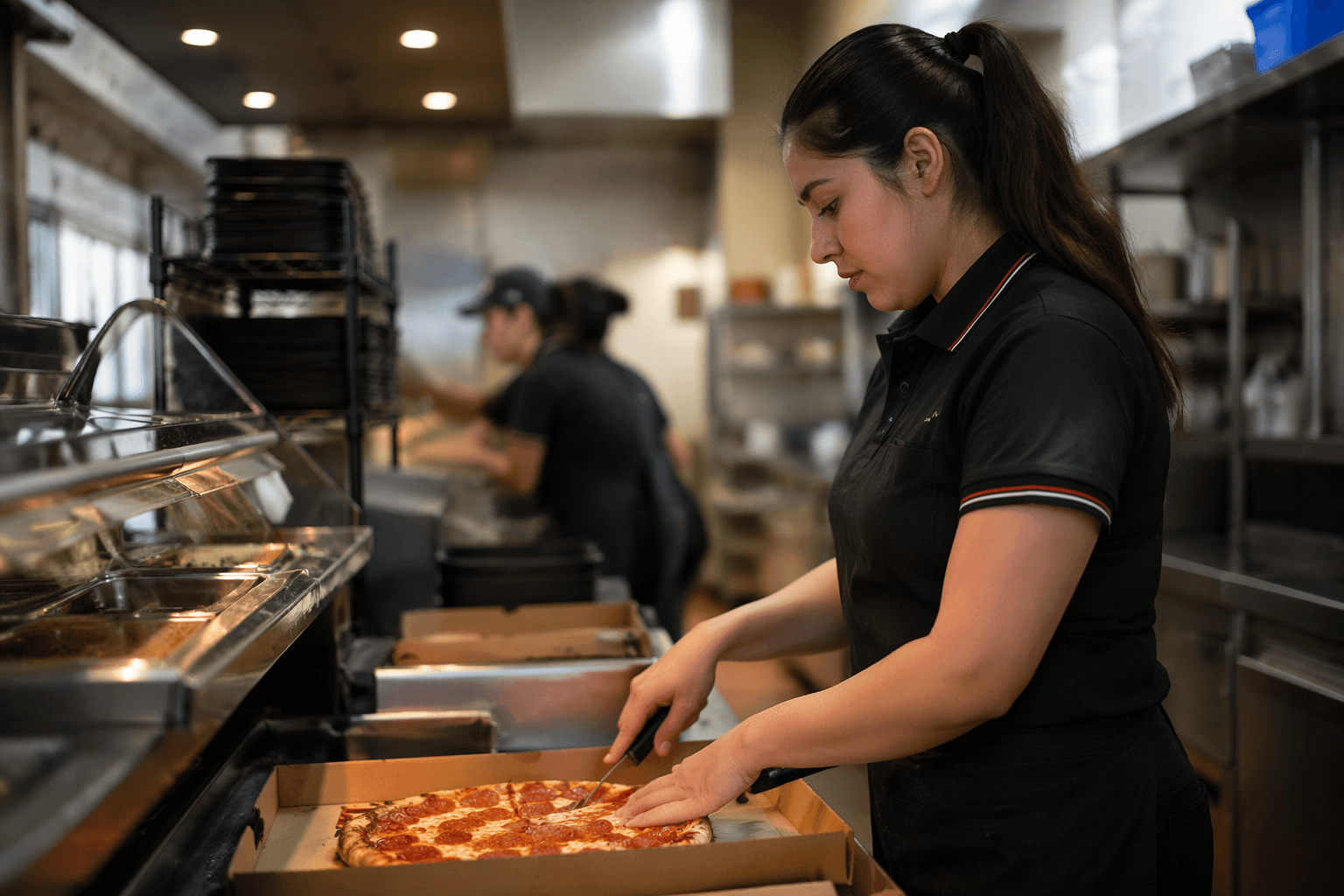
Pizza Hut customers still want value, comfort and convenience
Stretched wallets are not killing Pizza Hut demand. They are changing it, and shift leaders who read the signals can protect tickets, tips and traffic.
What the customer is really saying
The fastest way a Pizza Hut store gets in trouble is mistaking a squeezed wallet for a dead one. Technomic’s latest consumer research shows two-thirds of consumers still feel financially shaky, 23% say they are struggling to make ends meet, and 45% say they are getting by but have to watch money carefully. That does not mean people have stopped ordering pizza. It means they are pickier about when they spend, what feels worth it, and whether the order looks like value, comfort or a small escape.

That is the read shift leaders need on the floor. Restaurant frequency has ticked up for households making $50,000 to $75,000 and $75,000 to $100,000, which tells you guests still show up when the offer lands right. For Pizza Hut, that means the customer at the counter may be chasing a bargain, but not just a cheap meal. The same guest may want a lighter lunch, a nostalgic dinner and a value box on a tough week, and the store that can spot those differences is the one most likely to hold sales.
How value shows up in real orders
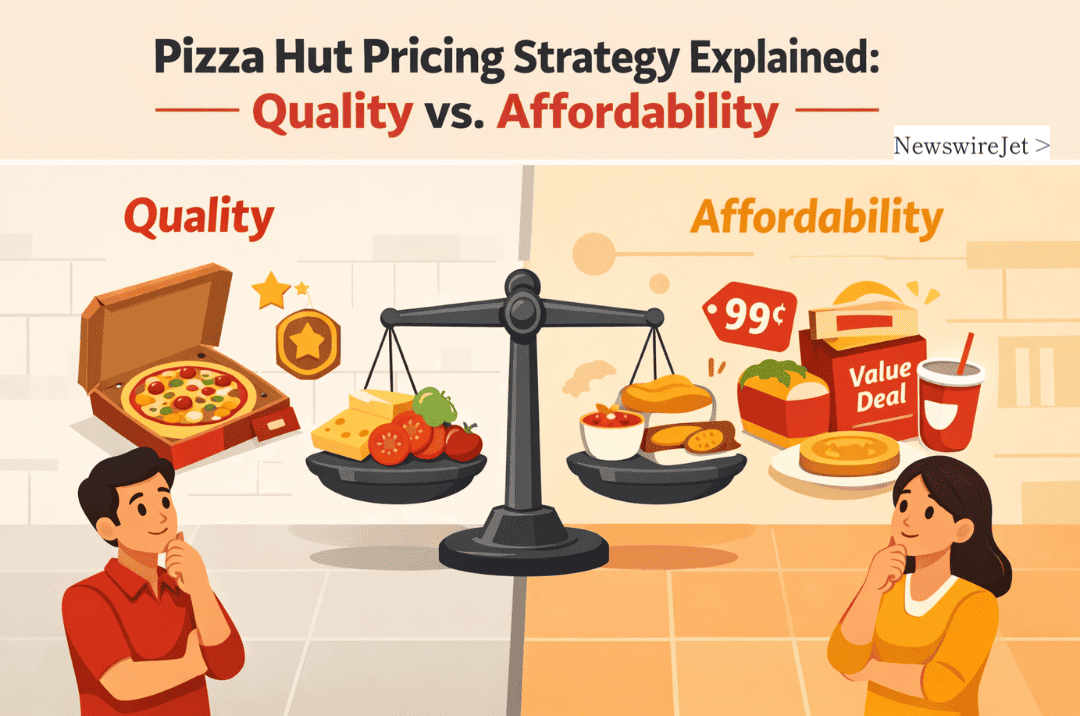
Value is no longer just about the lowest price. It is about whether the guest feels smart, satisfied and not shortchanged. Pizza Hut’s $7 Deal Lovers Menu, launched with 17 items, was built for exactly that kind of customer, the one who wants to feel like they got something substantial without blowing the budget. That matters because the broader market shows deal traffic still has life, especially when the product feels like an upgrade rather than a sacrifice.
This is where upselling gets tricky for the crew. The customer stretching a paycheck may still add wings, a dessert or a premium topping if the base order already feels like a win. That means the best upsell is not pressure, it is framing. A family that comes in for a deal box might still say yes to an add-on if the transaction stays anchored in value. A solo lunch guest might upgrade if the ticket stays simple and fast. A rushed delivery customer is more likely to accept an add-on if it does not complicate the wait.
It also helps to remember that chains win when they refresh core products and pair them with deals. Technomic’s findings line up with recent examples across the industry, from pizza menus to chicken sandwiches and burger revamps. The lesson for Pizza Hut teams is blunt: people will pay when the offer feels familiar, improved and limited-risk.
Comfort and nostalgia still move the ticket
Pizza Hut has a built-in advantage here because nostalgia is part of the brand’s operating system, not just its advertising. Lindsay Morgan has described the brand’s roots in original red-roofed Hut-style restaurants, stained glass lamps and red cups, and that memory still matters when guests want comfort more than novelty. For shift leaders, the practical takeaway is that some orders are emotional buys, not just calorie buys.
That emotional pull explains why a cheese-heavy pie can still outperform a supposedly smarter option at dinner, even when guests say they are trying to eat better. The National Restaurant Association’s 2026 forecast puts comfort and nostalgia, health and wellness, and value at the center of menu trends, and nearly 300 chefs and operators helped shape that view. In other words, Pizza Hut is not dealing with one customer mindset. It is dealing with three at once.
That mix is why occasion-based selling matters. A family night order should feel cozy and complete. A lunch order should feel lighter, faster and less loaded. A late-night or game-night order can lean into indulgence and nostalgia. If the team treats every guest the same, it misses the chance to match the mood, and in pizza, mood is often the difference between a solid check and a lost one.
What changes at the counter and on delivery
At the counter, financially stressed guests often slow down the decision, ask more price questions and compare boxes before they commit. Some will come in ready to spend, but only if the store helps them feel like they are making a careful choice. That means the first offer has to be clear, quick and easy to explain. If the menu board or front counter conversation forces too much math, the order stalls.
On delivery, convenience becomes the value proposition. The customer may be less interested in customizing every detail and more interested in whether the meal arrives hot, complete and on time. That is important in a market crowded with DoorDash and Uber Eats options, because the guest may be comparing Pizza Hut against every other easy dinner in the app before the driver even leaves. A clean handoff, accurate ticket and sensible pace can matter more than a long menu pitch.
Complaints and substitutions will also tell you a lot about the mood of the market. A guest under financial pressure is less forgiving when something is missing, but also more likely to ask for a substitution if it keeps the ticket in budget. That makes accuracy and communication a frontline issue, not a back-office one. If the store is out of a topping, running behind, or forcing a paid upgrade without warning, the customer is more likely to read that as wasted money, not a small inconvenience.
Why the stakes are higher for Pizza Hut crews
Pizza Hut is not reading this trend from a position of ease. Yum! Brands says the chain has more than 19,000 restaurants in 108 countries, traces its origins to 1958 and was the first to bring Pan Pizza to America. Yum also says Pizza Hut’s 2025 year-end total system sales were $12.794 billion. Even with that scale, the brand has been under pressure to prove it still has a place in a crowded pizza market.
That pressure became more obvious when Yum! Brands announced a formal review of strategic options for Pizza Hut on November 4, 2025. Chris Turner said the brand has deep consumer love, a global footprint, strong growth in many markets and an increasingly powerful technology platform, but he also made clear that some of the work needed to unlock its future may require a different path. Restaurant Business later reported that Pizza Hut’s U.S. system sales fell 7% in 2025, same-store sales fell 5% and 250 U.S. locations were slated to close in the first half of 2026.
For workers, that makes every guest interaction count more, not less. A store that protects the value lane, keeps the nostalgia alive and moves orders with less friction is doing more than serving pizza. It is defending traffic in a brand that is being measured on both customer love and financial performance.
What shift leaders should expect next
The next wave of demand is likely to look less like bargain hunters and more like selective spenders. Some guests will chase better-for-you choices at lunch, some will return to familiar comfort at dinner, and some will only buy when a deal feels special enough to justify the order. Pizza Hut’s Space Jam promotion in March 2026, including a $21.99 Triple Treat Box and loyalty tie-ins, shows the brand knows nostalgia can still drive action when it is tied to a clear offer.
That is the floor-level lesson. The winning store will not be the one that talks the loudest about price alone or wellness alone. It will be the one that can move between value, comfort and convenience without losing speed or accuracy. In a squeezed economy, that blend is what keeps the order pad moving, the delivery route full and the brand relevant enough to survive the next round of pressure.
This article was produced by Prism’s automated news system from verified source data, official records, and press releases, then run through automated quality and moderation checks before publishing. The system is built and supervised by the people who set the standards it runs under. Read our full AI policy.
Did this article answer your question?