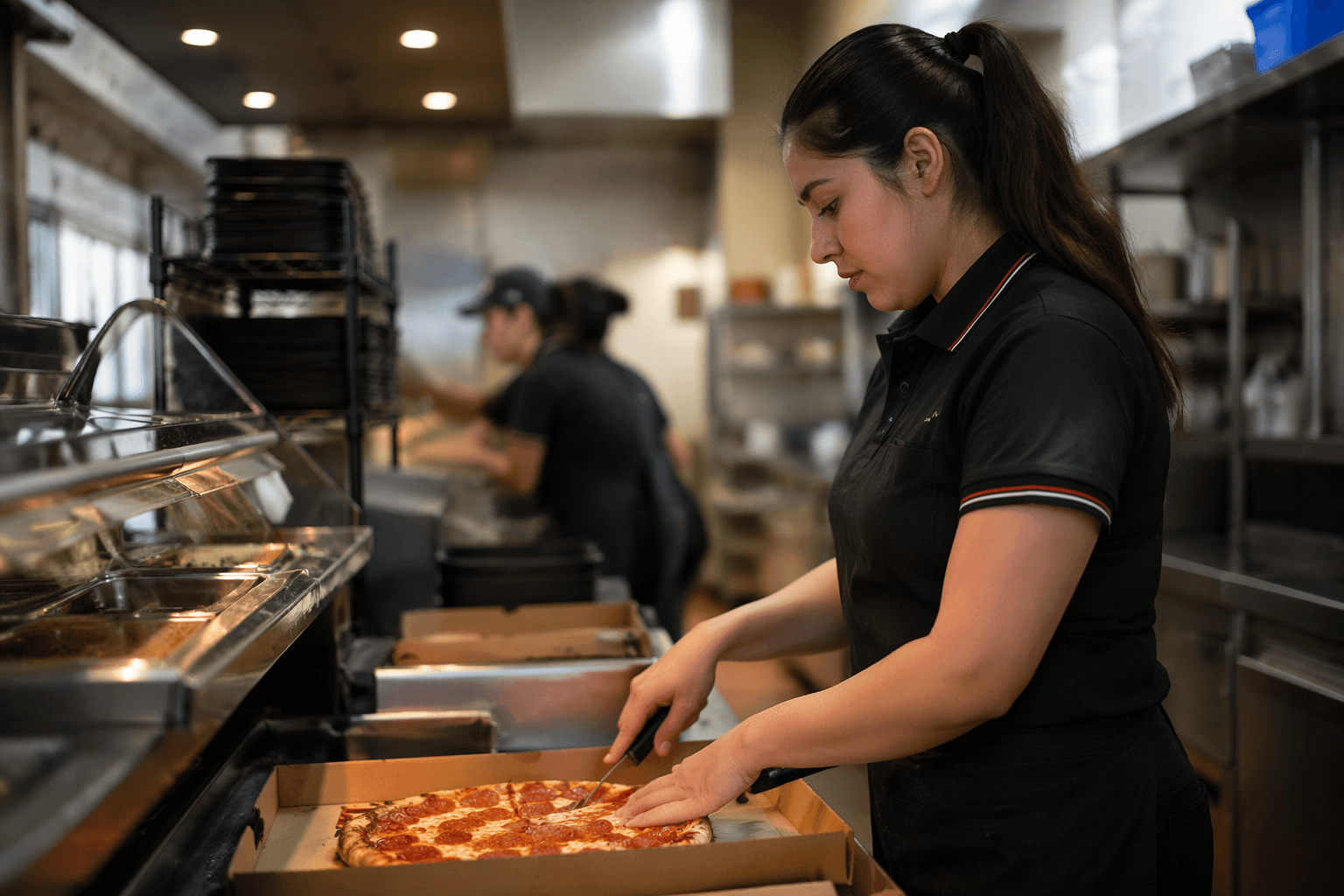
Pizza Hut delivery demand stays strong as customers prioritize low fees
Nearly half of customers will pay $3 to $6 in delivery fees, a reminder that Pizza Hut’s app orders are still a core part of the job, not a side channel.
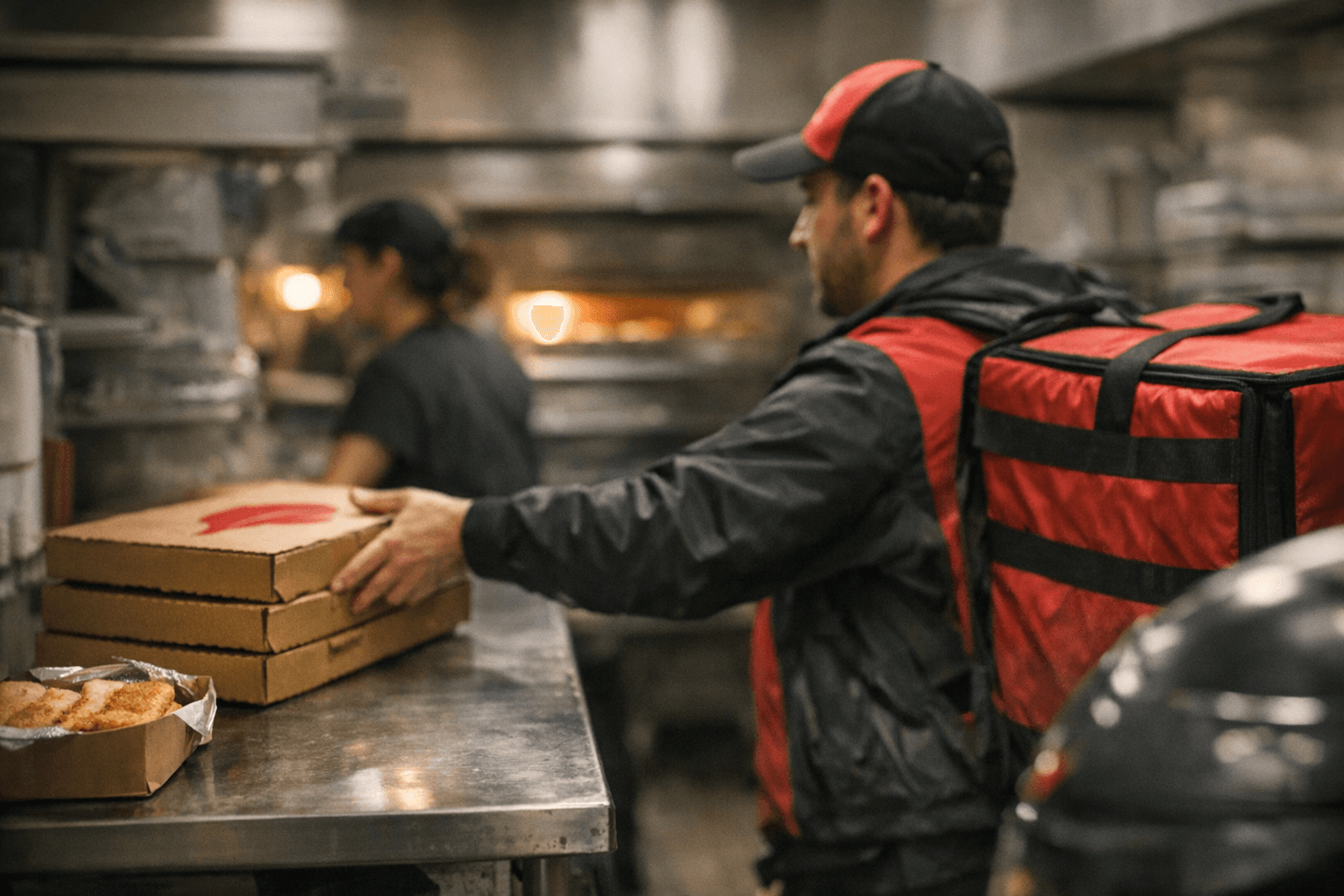
Delivery still drives the shift
The most important number in Toast’s 2026 roundup is simple: 47% of guests say they are willing to pay $3 to $6 in delivery fees. That is not a fading preference. It is evidence that delivery is still baked into how people buy pizza, which means the pressure on Pizza Hut stores is real every time the app lights up, the screen fills, and the make line has to keep moving.
For drivers, that demand shows up as more trips, tighter timing, and more competition from third-party apps. For kitchen crew, it shows up as stacks of tickets, higher expectations for accuracy, and less room for error when a customer is already paying extra. For managers, it means delivery is not something to protect only during busy weekends. It is a recurring workload that has to be staffed, dispatched, and executed well even when dining room traffic is soft.
Low fees are not a nice extra, they are the selling point
Toast’s data also says low delivery fees remain a top feature for many customers. That matters because it changes how Pizza Hut stores should think about pricing and promotions. A customer who is fee-sensitive is not just comparing crust styles or toppings. That customer is deciding whether the whole order feels worth it after the delivery charge, and that decision can determine whether the sale happens at all.
That puts a lot of weight on the small operational choices inside the store. Bundle offers, minimums, and delivery policies can all affect basket size and conversion. A promotion that nudges a family order up by a few dollars may matter more than a loud campaign, because the real battle is often at the point where the customer sees the fee and hesitates. In practical terms, the line between a completed order and an abandoned cart is often a few dollars and a few minutes.
For workers, that means fee psychology is part of the shift. Crew members may never see the abandoned orders, but they feel the result when promotions fail to convert or when demand spikes after a deal goes live. The work becomes less about whether people want pizza and more about whether the store can make the economics feel acceptable enough for the order to go through.
Delivery is now a habit, not a special occasion
The broader message in the Toast roundup is that online food ordering remains a major habit in 2026, and a large share of adults order delivery or takeout several times a month. That is why delivery pressure keeps coming back even when in-store traffic is unpredictable. People are not using delivery once in a while as a novelty. They are building it into how they eat during the week.
That shift helps explain why Pizza Hut crews feel the rhythm of the business changing. Off-premise demand is sticky. It does not vanish just because the dining room is slow. It does not disappear when weather changes or foot traffic dips. Instead, the store has to absorb it as a regular part of the operating model, with all the strain that brings to prep, make times, driver handoffs, and app stability.
Toast also points to DoorDash as a leading app for U.S. consumers, which reinforces how much of the pizza business now depends on digital ordering behavior that stores do not fully control. Even when Pizza Hut is the brand customers want, the ordering path is often shaped by app habits and platform expectations. That puts reliability at the center of the operation. If the app lags, if the handoff gets messy, or if the order is late, the customer experience suffers before the box even leaves the store.
What it means inside a Pizza Hut store
Pizza Hut’s own U.S. store locator says the chain has 6,000-plus locations and offers online delivery and takeout ordering. That scale matters because it shows delivery is not some experimental add-on. It is built into how the brand serves customers across the country, from busy suburban zones to smaller markets where carryout and delivery may be the main way people interact with the store.
That also means the daily workload is shaped by off-premise traffic at a large footprint. A store manager balancing phones, app orders, drive-up carryout, and delivery timing is not handling a side task. They are managing the core business. The same is true on the kitchen line, where a late driver or an inaccurate ticket can cascade into a worse night for everyone in the building.
The pressure is especially clear for drivers. Tips still matter, and so does the competition from gig platforms that have made customers more comfortable ordering food with a few taps. A Pizza Hut driver is competing not only with other drivers, but with the broader delivery ecosystem that has taught customers to expect speed, visibility, and low friction. That raises the bar on dispatch speed and the store’s ability to keep orders moving.
A brand under review makes execution even more important
The delivery story sits inside a larger corporate one. Yum! Brands launched a formal strategic review of Pizza Hut in November 2025 and brought in Goldman Sachs and Barclays to evaluate options for the brand. Business coverage also reported that Pizza Hut had been underperforming compared with rivals, and that Yum! Brands’ U.S. sales fell 5% in 2025.
That context matters for workers because it turns everyday execution into part of a bigger turnaround question. When a brand is under review, every piece of the operation gets looked at more closely: delivery speed, order accuracy, app reliability, labor levels, and whether stores are turning traffic into profitable sales. Strong delivery demand is not a sign that the brand can relax. It is a sign that Pizza Hut still has something customers want, but it has to execute better than rivals to keep that demand from slipping away.
Yum! Brands’ franchise materials say the parent company represents more than 60,000 Pizza Hut, Taco Bell, KFC, and Habit Burger & Grill locations around the world, which shows how much weight Pizza Hut carries inside a much larger system. A problem in Pizza Hut does not stay isolated for long. It affects how investors, operators, and franchisees think about the chain’s future.
The real test is turning demand into clean execution
Pizza Hut still presents itself publicly as a delivery-and-carryout brand, and the numbers support that positioning. People will pay delivery fees, low fees still help close the sale, and delivery remains part of normal eating habits. The challenge is no longer proving that demand exists. The challenge is running stores well enough to capture it without burning out the crew or missing service targets.
That is why the most useful takeaway for Pizza Hut workers is not that delivery is trendy. It is that delivery is durable. The work on the line, in the dispatch lane, and at the driver handoff table is becoming more central, not less. The stores that manage speed, accuracy, and app reliability best will be the ones most likely to turn strong demand into steady business.
This article was produced by Prism’s automated news system from verified source data, official records, and press releases, then run through automated quality and moderation checks before publishing. The system is built and supervised by the people who set the standards it runs under. Read our full AI policy.
Did this article answer your question?