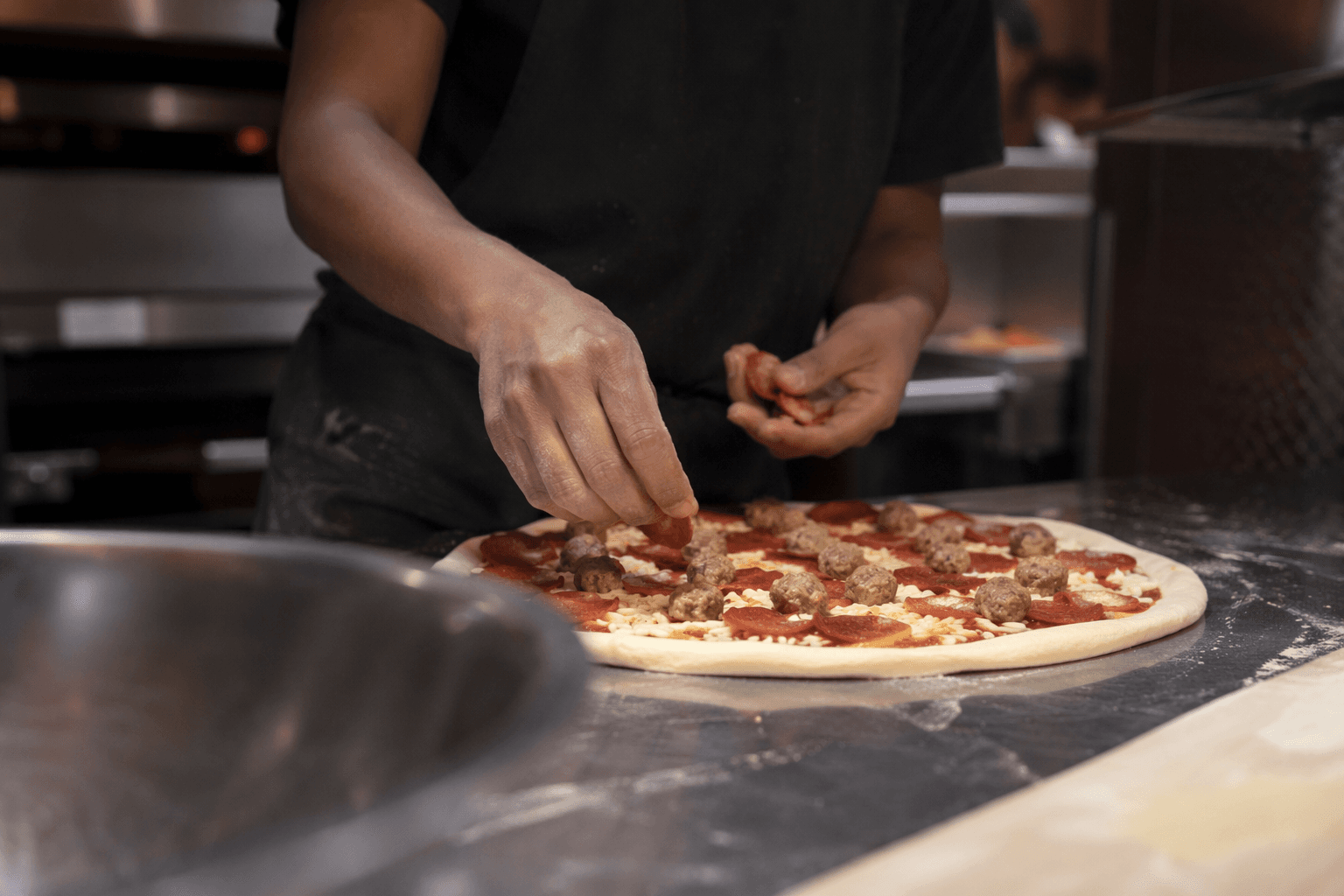
Pizza Hut drivers compare store jobs with algorithm-run gig work
Pizza Hut drivers are weighing store shifts against app work, and the difference is often a human manager, not just the pay rate. The bigger fight is who carries the risk when the system breaks.
The real competition is not just DoorDash rates, it is control
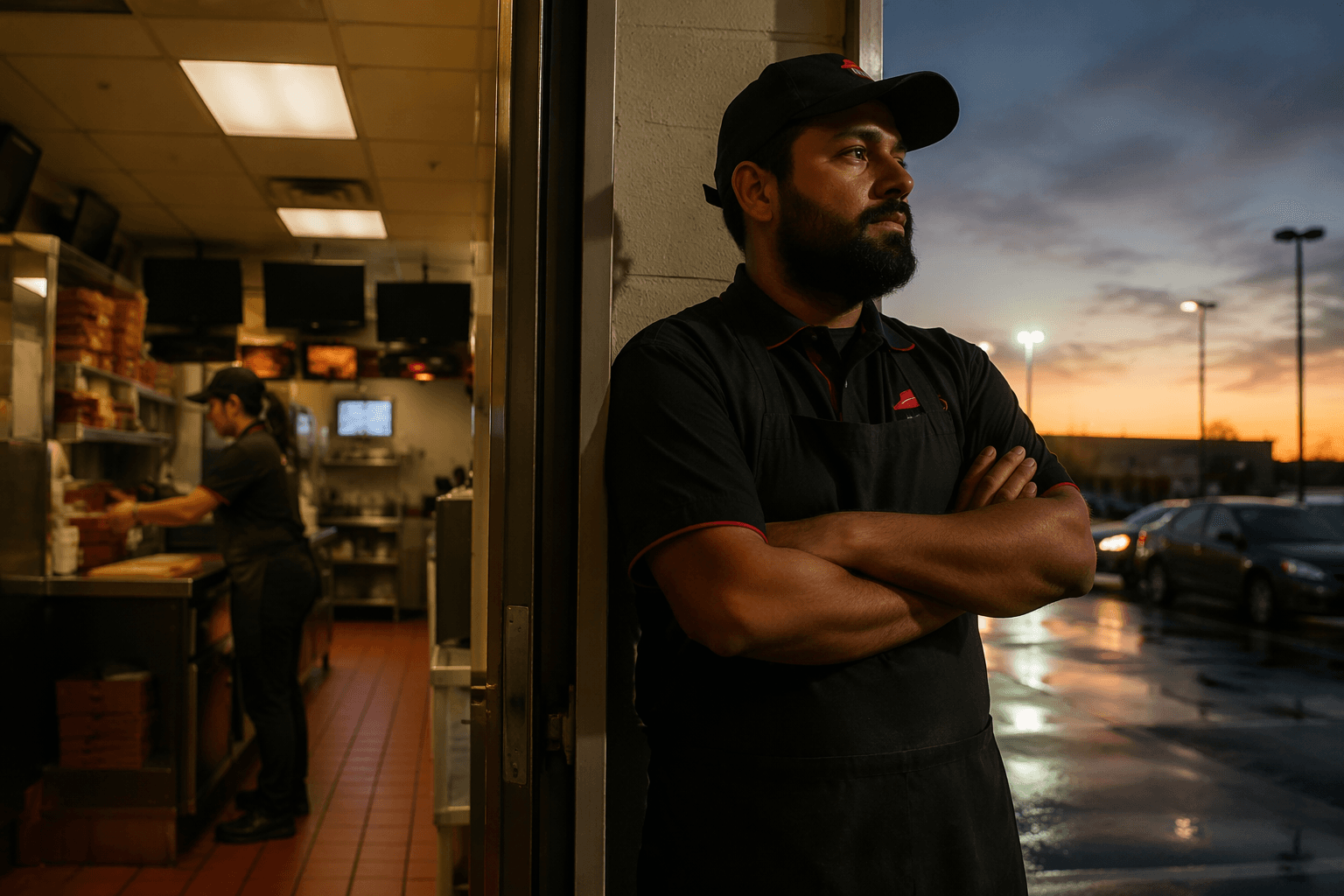
Pizza Hut drivers are not only comparing dollars per mile when they look at DoorDash or Uber Eats. They are comparing two very different ways of working: one built around app-based control, the other built around a store, a schedule, and a manager who can actually fix a bad ticket or a broken route.
That is why the latest warning about gig work matters far beyond platform apps. A June 3, 2026 commentary from Human Rights Watch argues that artificial intelligence is already running much of the gig economy, not in some distant future. Algorithms set pay, assign tasks, monitor performance, and can even decide whether a worker keeps access to the platform at all.
For Pizza Hut teams, that is not an abstract labor-tech debate. It is the backdrop to every conversation a driver has about whether to stay in-store or chase app work.
What algorithmic management feels like on the job
Human Rights Watch describes a system that pushes risk downward. Workers can face unstable pay, dangerous conditions, and little recourse when something goes wrong. If the app decides the route, the timing, the assignment, and the score, then the worker is often blamed for outcomes they did not control.
That labor-control model is familiar to anyone who has watched delivery work get sliced into metrics. The point is not simply that an app is involved. The point is that the app becomes the boss: dispatching, timing, ratings, and access to future work all run through software rather than a person who knows the store and the road.
For a Pizza Hut driver, the difference can be stark. A store job may still involve a car, a phone, and a map, but it also comes with a manager, a training process, and a clearer chain of responsibility when things break down. If a ticket prints wrong, a route makes no sense, or a customer complaint lands hard, there is at least a human in the building who can intervene.
Why Pizza Hut jobs still have an edge over pure app work
That human backstop is part of the pitch Pizza Hut can make to drivers, especially in a labor market shaped by gig competition. The hourly rate may not be dramatically higher than app-based delivery in every market, but predictability matters. So does knowing whether tips are visible, how a shift will be assigned, and who is accountable if the night goes sideways.
This is where a restaurant job can still beat the app economy on day-to-day experience. Drivers are not just buying into a paycheck. They are buying into a workplace where there is a known manager, a set schedule, and a support structure that can absorb some of the chaos that app workers are forced to eat on their own.
That does not mean store jobs are easy or always better. It means the selling point is different. Pizza Hut is competing not only with other restaurants, but with a delivery labor market that has normalized algorithmic pressure. When drivers compare options, they are often asking a much more practical question: who gets blamed when the system makes the call?
What managers should make obvious during hiring
For managers, the lesson is straightforward. Human support is a competitive advantage only if drivers can see it before they start. A hiring pitch that focuses only on wages misses the part of the job that actually separates store delivery from gig work: whether someone can walk into the back room and get a real answer.
That means making a few things plain from the start:
- Who dispatches deliveries and who can override bad calls
- How tips are handled and how visible they are to drivers
- What happens when a route, ticket, or customer issue goes wrong
- How schedules are set and whether shifts feel predictable
- Who the driver talks to when app-like pressure starts to look like the boss
Those details matter because they tell workers whether Pizza Hut is offering a job or just a different version of app control with a uniform attached. In a market where gig work has trained people to expect opaque scoring and one-way accountability, clarity is a selling point.
The policy fight in Geneva is closer to the store than it looks
The Human Rights Watch commentary also points to a bigger backdrop: governments were meeting in Geneva from June 1 to 12, 2026, to negotiate the first binding global standard for platform work at the International Labour Organization. That is not just a diplomatic meeting for labor lawyers. It is a signal that the basic rules of app-mediated work are still being written.
For Pizza Hut workers, that matters because customer expectations do not stay inside one sector. As platform standards evolve, drivers bring those expectations with them into store jobs. They notice whether a manager is transparent, whether support is available, whether pay feels understandable, and whether the workplace treats them like a person or a data point.
That is the deeper connection between gig work and first-party restaurant delivery. The future of restaurant driving is being shaped by the same questions that surround platform accountability: who sets the pace, who owns the risk, and who has to clean up the mess when software makes the wrong call.
What Pizza Hut leaders should learn from the comparison
The smartest takeaway for Pizza Hut is not to imitate gig apps. It is to avoid the parts of gig work that drivers already hate while emphasizing the parts of store work that still matter: a real manager, a real process, and a real place to go when something breaks.
That gives restaurant delivery a chance to hold onto workers who are tired of being managed by an algorithm but still want the flexibility and earning potential that delivery can offer. The challenge is making that difference visible, not assuming workers will notice it on their own.
In the end, the fight over delivery labor is not only about technology. It is about whether the person doing the work can reach a human being when the system turns against them. For Pizza Hut drivers, that may be the line that still separates a store job from the gig economy.
This article was produced by Prism’s automated news system from verified source data, official records, and press releases, then run through automated quality and moderation checks before publishing. The system is built and supervised by the people who set the standards it runs under. Read our full AI policy.
Know something we missed? Have a correction or additional information?
Submit a Tip