Pizza Hut operators feel immigration squeeze on staffing and sales
Immigration pressure is hitting Pizza Hut stores as a labor, sales, and scheduling problem, with Texas already short tens of thousands of workers.
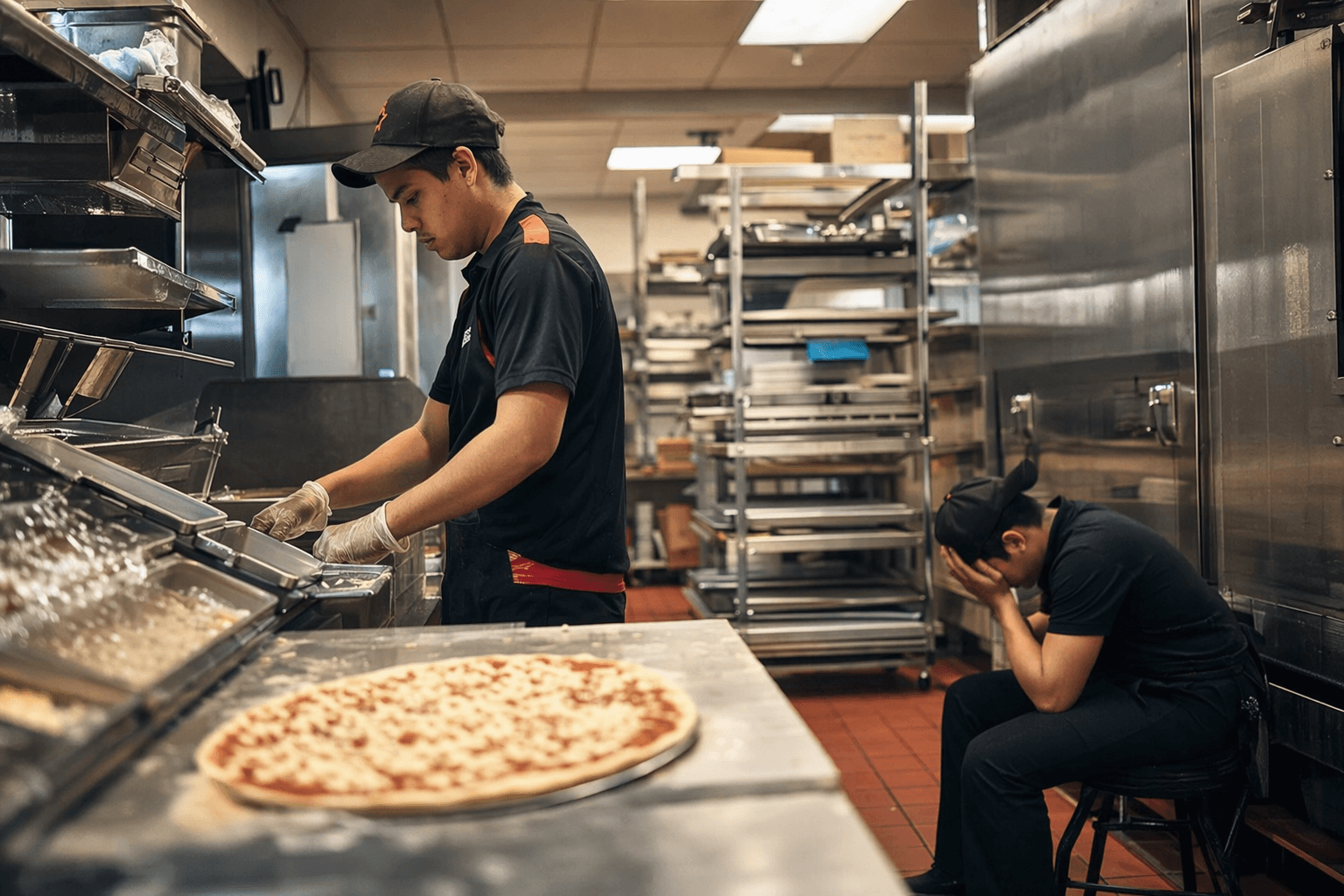
A panel at the National Restaurant Show made clear that immigration is not a distant political fight for restaurant operators. It is already showing up in store schedules, labor costs, and whether a unit can run at full capacity.
Emily Williams Knight of the Texas Restaurant Association said the pressure reaches far beyond hiring. Immigrant labor, she said, touches every step of the supply chain, from the plant to packing, shipping, and food preparation. That matters for Pizza Hut managers because a break anywhere in that chain can ripple into late deliveries, slower make lines, and tougher calls on how to cover rushes without burning out the crew.
Knight also warned that consumer traffic has softened in Hispanic communities when fear and uncertainty rise, creating a second hit on sales. For Pizza Hut operators, that is not an abstract demographic shift. It can mean fewer orders in neighborhoods that support a store’s dinner business, thinner delivery volume for drivers trying to make a night worthwhile, and less cushion when food inflation or labor costs push margins tighter.
In Texas, Knight said restaurants are already facing shortages of tens of thousands of workers, and some people are afraid to come to work or cannot come to work at all. For franchisees and local managers, that kind of disruption can quickly become a staffing crisis: empty shifts, unstable schedules, longer kitchen times, and overtime pressure on the people who do show up. At a Pizza Hut, where a missing cook or driver can slow the whole night, even a small labor squeeze can affect service times and the bottom line.
The panel also included Aaron Frazier of the National Restaurant Association and Kevin Vaughan of Vaughan Hospitality Group. Their message was blunt: aggressive enforcement and the lack of workable reform are squeezing restaurant operations from multiple directions. The industry is backing proposals such as the Dignity Act, but the larger demand from operators is for a reliable labor pipeline, not another round of uncertainty.
For Pizza Hut managers, the warning is practical. Watch local labor shortages, turnover spikes, and any policy change that could disrupt staffing pipelines or customer traffic. When the labor pool tightens and sales soften at the same time, the pressure lands where it always does first, on the schedule board, the delivery clock, and the store P&L.
Know something we missed? Have a correction or additional information?
Submit a Tip