Pizza Hut Operators Reconsider Apps as Delivery Sales Hurt Profitability
Pizza Hut’s delivery problem is a margin problem, not a demand problem. The pressure lands first on drivers, cooks, and managers long before it shows up in sales.
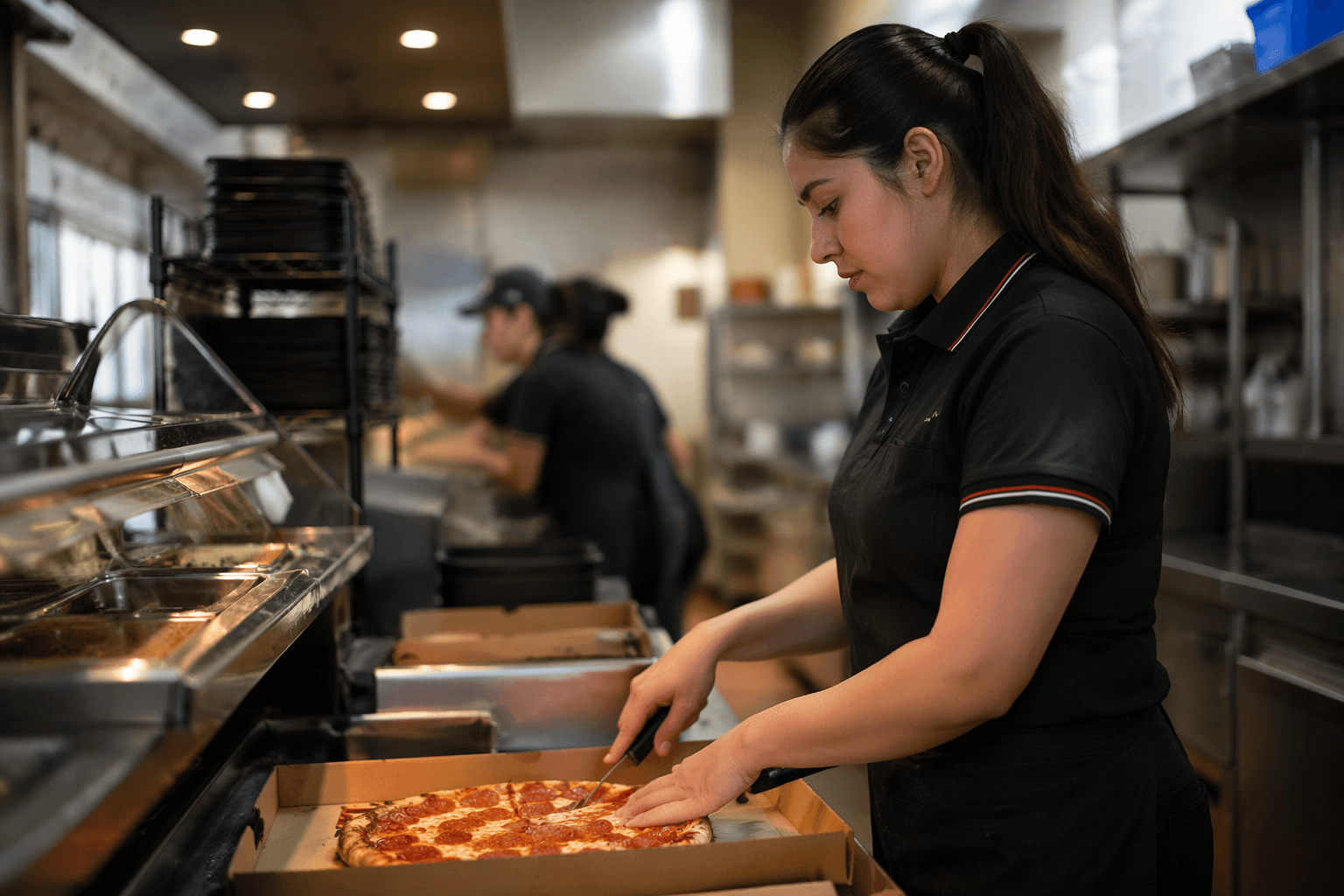
Delivery can make a Pizza Hut store look busier while making it less profitable. Big Red F ran into that in Boulder, where DoorDash, Uber Eats, and Grubhub orders hit as much as 40% of sales on some nights before the operator decided the channel no longer made sense.
When the app mix turns against the store
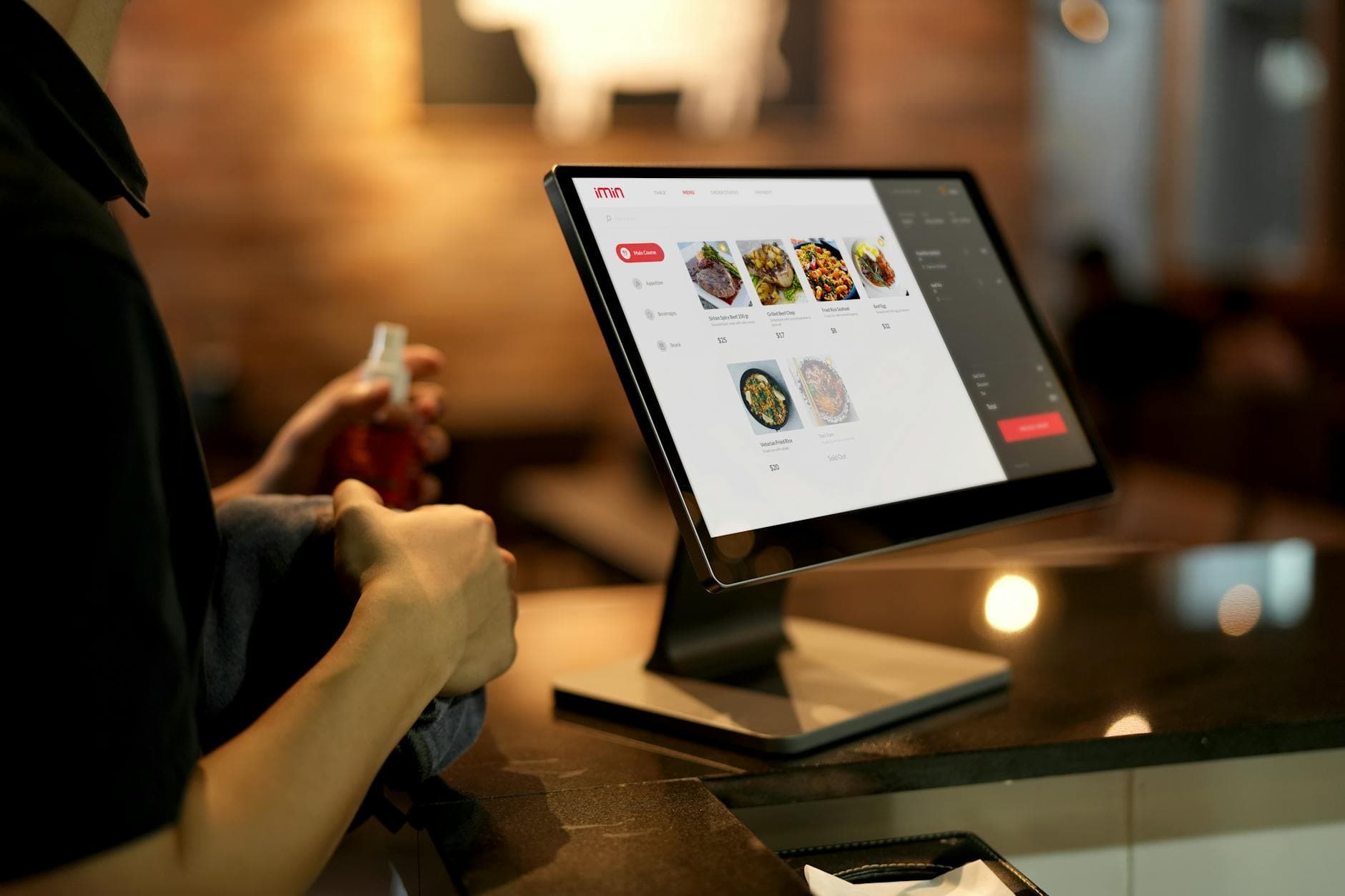
The Big Red F turnaround is the clearest warning sign for Pizza Hut crews: app growth can look like easy revenue right up until the fees, discounts, and handoff costs eat the margin. The operator leaned into the apps by buying advertising and letting the platforms match that spend, which made delivery look like a growth engine. Then it studied the numbers more closely and concluded the channel had become “bad revenue,” with margins too thin to justify staying live, and it pulled its restaurants off third-party delivery altogether in September.
That matters because it changes the basic question on the line. The issue is not whether the store is getting orders, it is whether those orders are worth the labor, packaging, customer service, and brand damage that come with them. Big Red F’s move also shows that a store can be busy and still be losing money if delivery is the wrong kind of busy, a lesson that now hangs over Pizza Hut operators trying to keep volume up while protecting profitability.
Why Pizza Hut is exposed right now
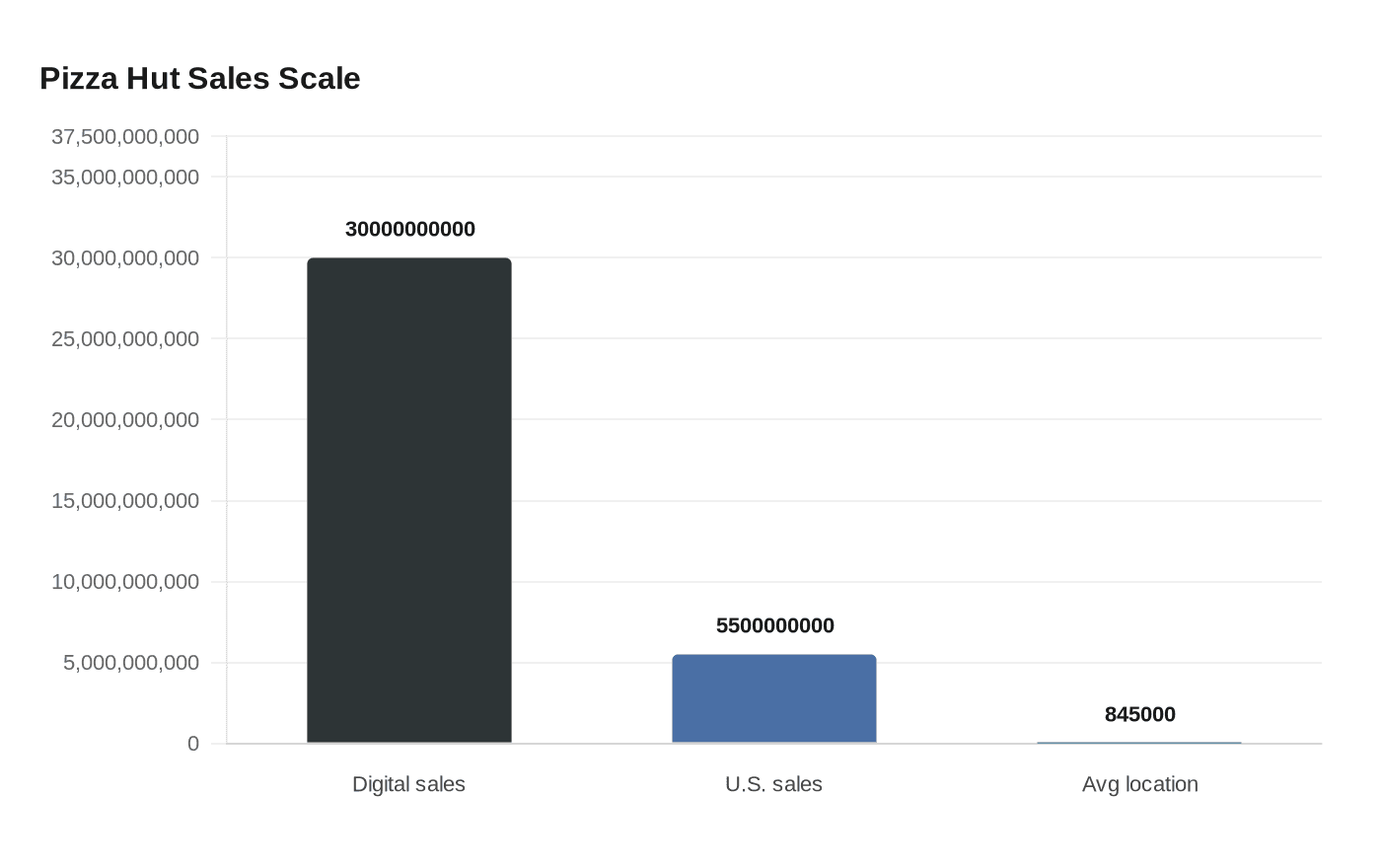
Pizza Hut is not a small test case. Yum! Brands says the chain has more than 19,000 restaurants in 108 countries, and Yum!’s 2024 annual report says the company generated more than $30 billion in digital sales, with more than half of system sales coming through digital channels. That digital strength is real, but it also means the brand is deeply tied to channels that can be hard to control once third-party marketplaces get involved.
The parent company is also looking at Pizza Hut through a sharper financial lens. In November 2025, Yum! announced a formal review of strategic options for the brand, saying the goal was to help Pizza Hut reach its full potential for franchisees, consumers, and employees while maximizing shareholder value. That makes app economics more than a local franchise gripe. It is now part of a corporate-level judgment about whether the brand can grow without bleeding money at store level.
The U.S. footprint shows why the issue is so sensitive. QSR magazine put Pizza Hut at 6,557 U.S. units in 2024, down 36 from 2023, with $5.5 billion in U.S. sales. Restaurant Business also cited Technomic data showing a typical Pizza Hut location generated about $845,000 in sales in 2023. Those numbers are big enough to suggest scale, but not so big that a franchisee can absorb endless platform fees or weak labor economics without feeling it fast.
What the pressure looks like inside the store
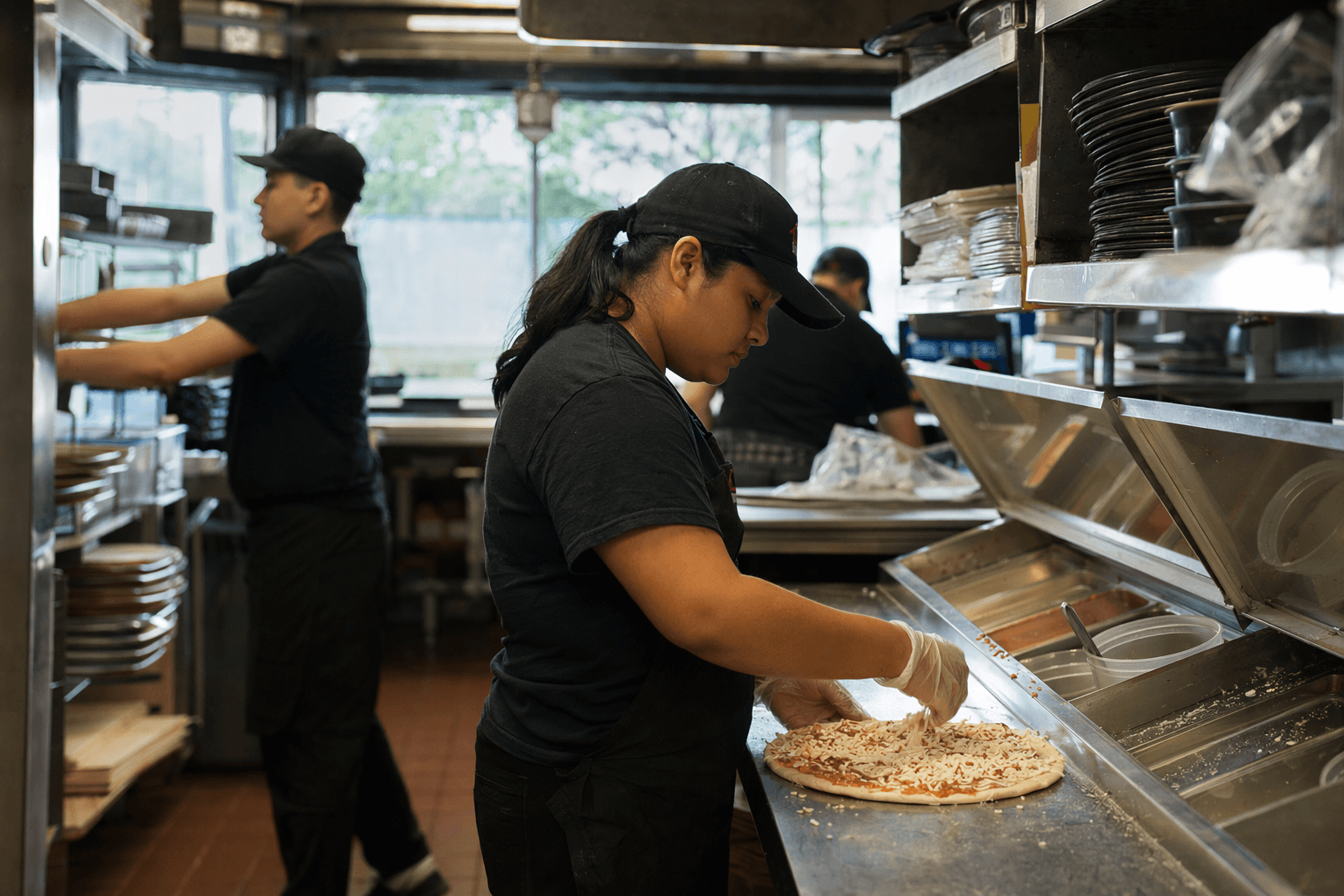
For drivers, the app debate is no longer just about miles or tips. It is about whether first-party delivery still exists, whether the store keeps the work in house, and how much of each sale gets siphoned away before a driver ever sees an order. For kitchen crews, more delivery can mean more tickets, more late-night rushes, and more remake complaints when third-party handoffs go wrong, but not necessarily more money to support staffing or better wages. That is the core labor tension: the channel can grow sales while the people doing the work see little of the upside.
The biggest practical lesson for managers is to know the channel mix well enough to separate revenue from contribution margin. Big Red F learned that lesson the hard way after spending to chase app growth, then finding the margins too thin to justify the volume. Pizza Hut operators facing similar pressure need to track what delivery is doing to ticket flow, labor hours, refunds, and complaint volume, because a packed kitchen is not the same thing as a healthy store.
California already showed how the math hits jobs
Pizza Hut franchisees in California made the labor tradeoff visible before the current corporate review. In late 2023, PacPizza, LLC and Southern California Pizza Co. laid off more than 1,200 delivery drivers and about 841 more, respectively, as California moved toward a $20 fast-food minimum wage that took effect in April 2024. The cuts hit stores across counties including Los Angeles, Orange, Riverside, San Bernardino, and Ventura, and customers were pushed toward third-party apps for delivery.
That episode showed the triangle every Pizza Hut market now has to manage: franchisees trying to protect labor economics, drivers losing hours or jobs, and customers moved to app-based delivery even as the brand’s dependence on outside platforms rises. It also showed that third-party delivery is not some neutral extra service. When the in-house driver model gets too expensive, the work gets reassigned, the store loses control, and the labor shock lands on the people least able to absorb it.
The app market is still growing, which is why the fight is not going away
Operators are pulling back from apps even as customers keep using them. Technomic data cited by CNBC showed third-party delivery’s share of consumer choice rose from 15% in 2020 to 21% in 2024, which explains why franchisees cannot simply ignore the channel. Demand is still there, but the value of that demand is being questioned more openly as fees rise and margins narrow.
Pizza chains are experimenting with different answers. Domino’s announced a DoorDash partnership in April 2025, but it kept the delivery work with Domino’s drivers even as orders flowed through DoorDash Marketplace. That is a very different model from handing the whole channel over to an app, and it shows how carefully pizza brands are trying to separate discovery from fulfillment. For Pizza Hut, the real question is whether more app traffic builds the store or just moves more pain onto the people in it.
The next round of Pizza Hut decisions will be judged less by how loudly the brand talks about digital growth and more by whether the economics actually hold for the franchisee on the ground. If delivery keeps growing while driver hours shrink, kitchen pressure rises, and profits stay thin, the apps will keep looking less like a channel and more like a drain.
This article was produced by Prism’s automated news system from verified source data, official records, and press releases, then run through automated quality and moderation checks before publishing. The system is built and supervised by the people who set the standards it runs under. Read our full AI policy.
Did this article answer your question?