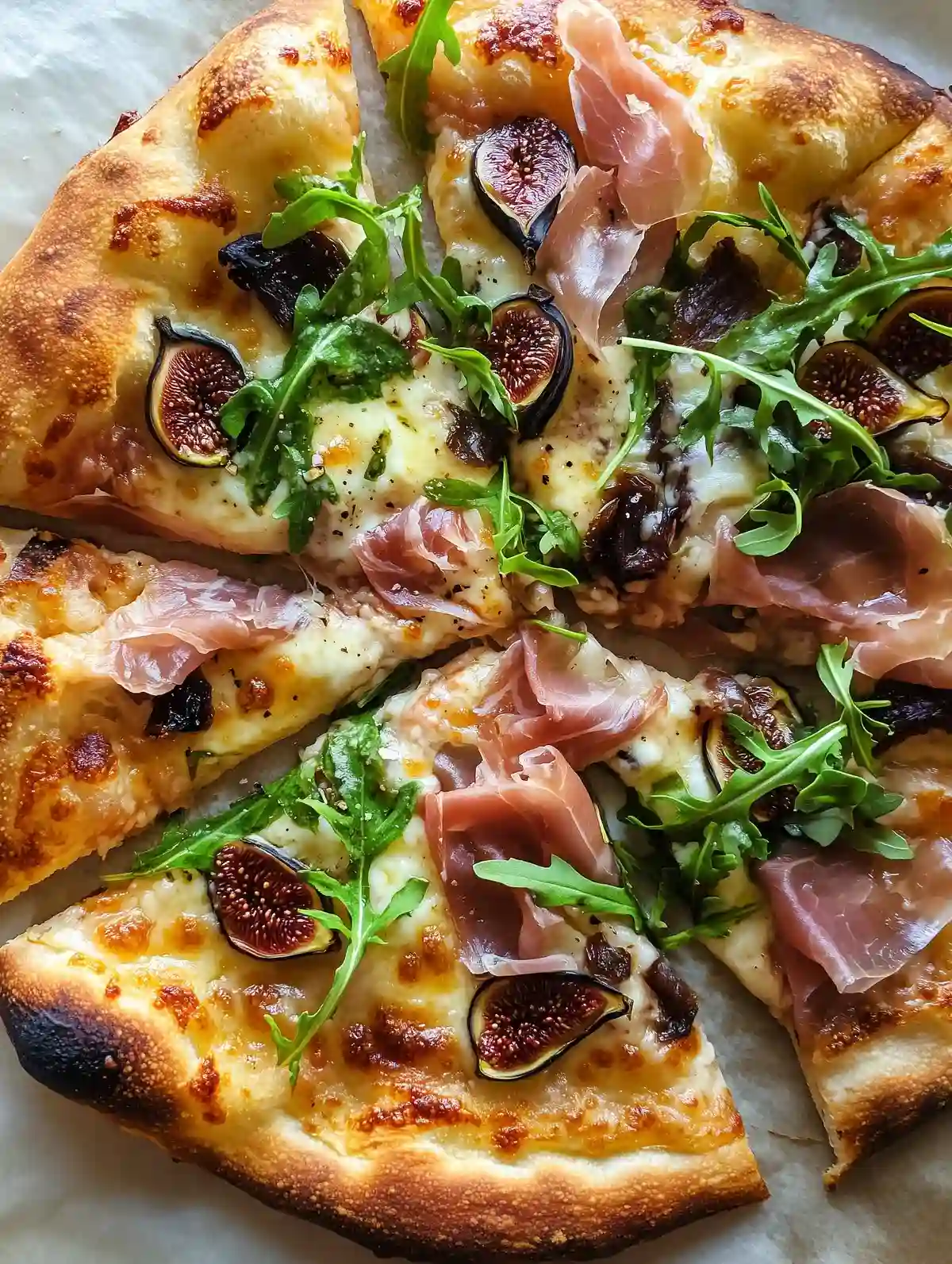
Pizza Hut pitches restaurant jobs as a path to leadership
Pizza Hut is trying to make entry-level work look like a real ladder. The catch is that the ladder only works if local managers teach the skills that lead to shift leader.
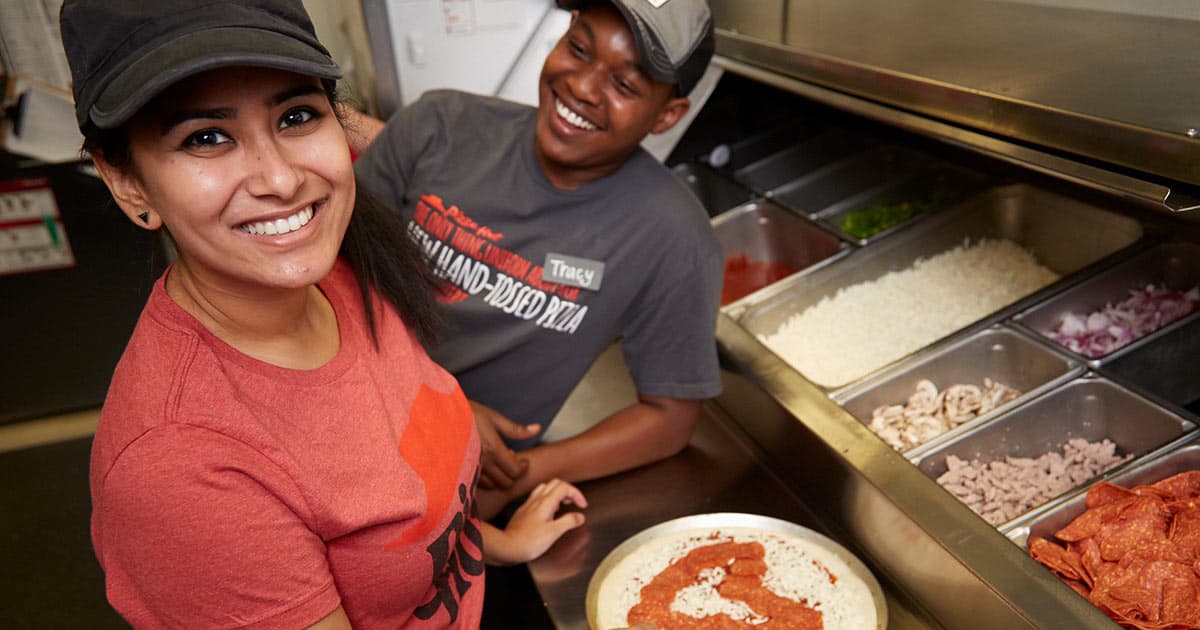
Pizza Hut’s new pitch is simple: the job should not stop at the apron. Team-member postings promise flexible schedules and same-day pay, while shift-leader ads frame the next step as a training ground for management skills and future career success. For anyone on the floor, that turns the real question from “What does this job pay today?” to “What does this job teach me for tomorrow?”
What the team-member role is really for
Pizza Hut’s team-member descriptions are built around the basics of restaurant work: greeting customers, serving guests, or cooking behind the scenes. That is entry-level labor, but it is also where the habits that lead to promotion get built. If you can keep orders moving, stay calm when the line stacks up, and make the customer experience feel organized instead of chaotic, you are already doing more than just filling a shift.
The company’s pitch also includes two immediate incentives that matter to hourly workers: a flexible schedule and same-day pay. Those are not career-development buzzwords. They are the day-to-day reason many people take restaurant work in the first place, especially in a labor market where pay timing and scheduling control can matter as much as the hourly rate.
If you want that first title to lead somewhere, the practical test starts fast. Learn the register, learn the rush, learn how the store resets after a bad hour. That means being dependable on cash handling, not missing food-safety steps, and being able to recover a customer complaint without turning the whole shift upside down.
The shift-leader job is where Pizza Hut starts asking for management instincts
The shift-leader posting is the clearest sign that Pizza Hut wants front-line workers to grow into leadership roles. The company says the training program is meant to develop management skills and offers future career success, which makes the role more than a pay bump. It is the first rung where the job stops being only about doing tasks and starts being about directing people.
That role can include managing daily restaurant operations during a shift, helping the restaurant general manager with hiring and training, directing team members, and even rewarding or disciplining staff in consultation with the manager. In other words, a shift leader is not just another strong hourly worker. The job is closer to a small-scale manager who keeps the room moving when the general manager is not standing over every decision.
A current Denver posting puts that responsibility on a specific wage scale: $19.29 to $20.29 an hour, depending on experience and restaurant location. That same posting also lists healthcare benefits, a 401(k), paid sick leave, and paid time off after six months. Another posting in Oxford, Alabama uses a more salesy phrase, saying the role will “shift your career into a higher gear.” The language is different, but the message is consistent: Pizza Hut wants the shift-leader title to feel like the point where restaurant work starts turning into management.
The ladder is real, but the route depends on the operator
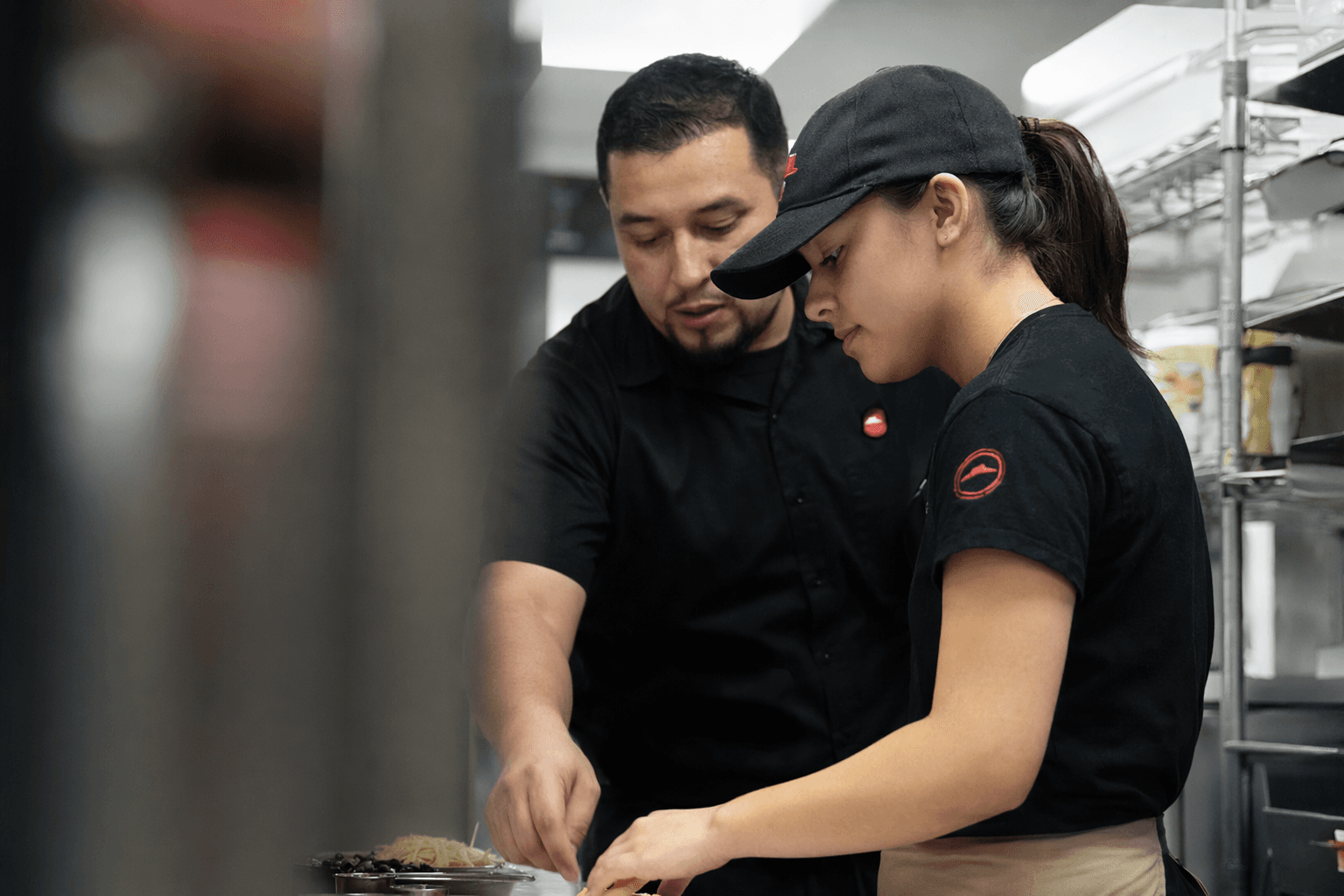
Pizza Hut’s own careers materials make a point of saying that most U.S. restaurants are independently owned and operated by more than 100 franchise organizations. That matters more than it sounds. A team-member job in one market may come with a clear training path, while another store under a different operator may move faster, slower, or with different expectations entirely.
The brand also says it has a history of people fulfilling career paths at Pizza Hut, including cooks moving to corporate offices and drivers becoming franchise owners. That history is useful because it shows the company is not trying to sell advancement as a vague promise. It is trying to tie everyday restaurant skills to a longer internal ladder, even if the exact steps vary by franchise owner.
For workers, the takeaway is to ask the right questions early: Who decides when someone is ready for shift leader? How much of the training is formal versus on-the-job? What does a good review look like in this store? In a franchise system, the brand message may be national, but the actual promotion process is local.
The skills that separate a steady team member from a future shift leader
The jump from team member to shift leader is not mostly about seniority. It is about whether you can be trusted with the pieces of a shift that affect money, speed, and customer experience at the same time. The strongest candidates usually prove they can do a few things consistently:
- Keep cash handling accurate and calm under pressure.
- Treat food-safety and cleanliness checks as nonnegotiable.
- Coach a newer teammate without slowing the line.
- Run a rush without losing track of orders, staffing, or guest complaints.
- Handle customer recovery so the manager does not have to step in every time.
That is the hidden curriculum in Pizza Hut’s postings. The company says the training program develops management skills, but store-level workers still have to show the raw materials first: reliability, clear communication, and the ability to keep a shift moving when the room gets messy.
For general managers, the lesson is just as concrete. If the brand wants a real promotion path, the store cannot leave development to hope. A good GM has to rotate people into responsibilities that stretch them, explain why a decision matters, and make the shift-leader role feel like a job with defined standards instead of a reward handed out for sticking around long enough.
Pizza Hut is also selling a longer future, not just a next shift
The company’s careers pages pair the restaurant ladder with formal education support. Through Life Unboxed EDU, company employees and franchise-organization employees can get a 35% discount on undergraduate tuition and a 20% discount on graduate tuition through Colorado Technical University. Pizza Hut also says its GEDWorks program can provide a free GED for eligible employees.
That combination tells you how Pizza Hut wants to frame itself: not just as a place to work, but as a place where workers can keep building credentials while they stay on payroll. The scale of the company reinforces the point. Pizza Hut says it has more than 16,000 restaurants and 350,000 team members in more than 100 countries, while Yum! Brands puts the brand at more than 19,000 restaurants in 108 countries.
The smart reading is not that every store will produce a manager or a franchise owner. It is that Pizza Hut is trying to make advancement legible. If the store teaches the job well, the path from team member to shift leader becomes more than recruiting language. It becomes the first real test of whether restaurant work can still be a career ladder.
Know something we missed? Have a correction or additional information?
Submit a Tip