Pizza Hut teams need to know DOL rules on tip credits, pooling
A Pizza Hut payroll audit should start with tip pools, driver reimbursements and state wage rules. Small mistakes can turn a busy shift into back-pay exposure fast.
What to audit before the next payroll run
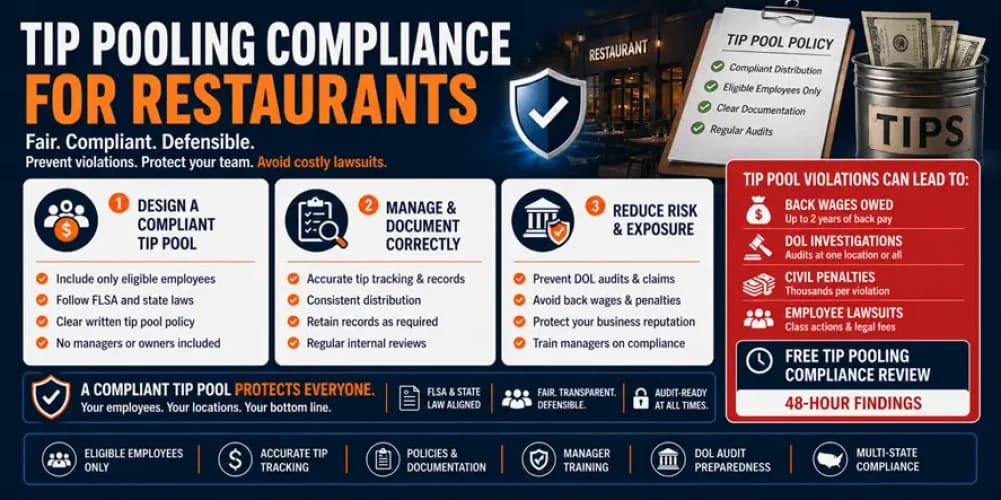
The quickest way for a Pizza Hut unit to drift into wage trouble is to treat tipped pay like a back-of-house shortcut. If your store relies on drivers, servers, or any other tip-eligible crew, the first move is a line-by-line check of the written tip policy, the posted wage notice, the pay stub, and the actual hours worked. If those four pieces do not match, the store is already taking on risk.
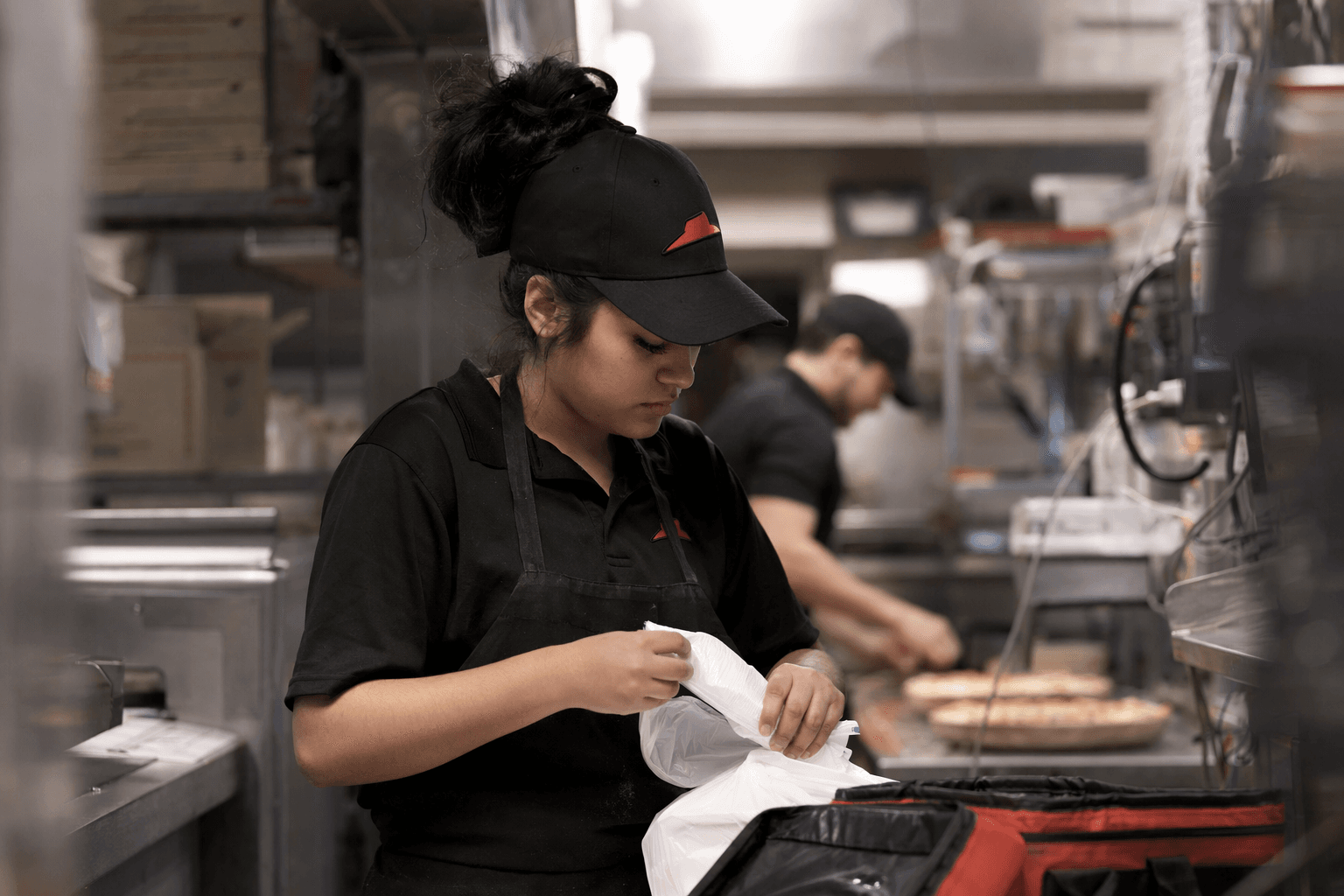
Managers should look closely at who is in the tip pool, who touches tips, and whether any non-tipped side work has been mixed into the tipped schedule without the right wage treatment. Drivers pulled into prep, stocking, or other non-delivery work need accurate time tracking, because dual-jobs and overtime rules do not disappear just because the rush is heavy.
- Confirm that the store gave advance notice of any tip-credit arrangement.
- Verify that direct wages plus tips meet minimum wage and overtime requirements for each workweek.
- Check that only lawful tip-pool participants are included.
- Review driver reimbursements against actual vehicle costs and mileage records.
- Reconcile the payroll system with state law, not just the federal floor.
How tip credits go wrong in a Pizza Hut store
Under federal wage law, a tipped employee can be paid a cash wage of $2.13 an hour, with an employer tip credit of up to $5.12 toward the federal minimum wage. That only works if the employee’s direct wages plus tips are enough to satisfy minimum wage and overtime rules for the workweek. If the math does not work out, the store can end up owing back wages even if the shift looked fine on paper.
That is where Pizza Hut operators get squeezed. A busy Friday night can mask a bad pay structure for weeks, especially when the store leans on drivers, slices labor across multiple job duties, or assumes tips will make up for every shortfall. The Department of Labor’s current guidance also covers records, dual jobs, tip pooling, and overtime calculations, which means the payroll file has to hold up when someone asks how a pay period was built.
The federal tip-rule timeline matters too. The current regulations became effective on April 30, 2021, and the Department of Labor’s guidance says employers cannot keep tips. That prohibition reaches managers and supervisors as well, even when they are working the line, helping during a rush, or filling in on a short-staffed shift.
Tip pools do not give managers a cut
The cleanest mistake to avoid is the one that keeps showing up in quick-service restaurants: managers and supervisors pulling themselves into a tip pool. The Department of Labor made the point again in a January 14, 2025 opinion letter involving a quick-service restaurant, saying managers and supervisors may not keep tips from a tip pool, regardless of whether the employer takes a tip credit.
That rule is important in a Pizza Hut store because shift leaders often work beside the crew. They may run food, handle phones, or jump onto the makeline when the store gets slammed. But none of that turns them into lawful recipients of employee tips. If a store’s tip pool includes a supervisor because they were “on the floor,” the store is exposed.
For workers, the practical check is simple: compare what the written policy says with what actually happens at the counter, in the driver dispatch area, and in the closing shift huddle. If tips are being collected, shared, or skimmed in a way that does not match the notice and the payroll records, the issue should not wait until the end of the month. Tip-credit errors compound fast.
Delivery-driver pay needs a second review
Pizza Hut’s delivery operation carries a separate set of wage risks because driver pay is tied to both tips and reimbursement. In October 2024, MUY Pizza, a Pizza Hut franchisee, agreed to a $4.75 million settlement over delivery-driver wage claims tied to unreimbursed vehicle expenses. The settlement covered drivers at 321 locations in eight states, for work performed between June 21, 2019, and September 27, 2021.
The complaint behind that case said drivers were paid under a per-delivery reimbursement system that allegedly did not cover actual vehicle costs, including gas, repairs, insurance, and cell phone plans. The alleged result was simple: once those costs were accounted for, actual pay could fall below minimum wage. For a store manager, that is not a legal abstraction. It is a payroll problem that can show up in the form of complaints, audits, or a claim that the store was passing operating costs down to drivers.
The risk is even clearer after the Sixth Circuit vacated two district court decisions in pizza-driver reimbursement cases on March 12, 2024. The court said neither the IRS mileage rate nor a mere reasonable approximation automatically solved the minimum-wage question. In other words, if the store is using a flat reimbursement or mileage-based formula, it still needs to know whether that method actually covers the driver’s real job costs.
State law can be stricter than the federal floor
Federal rules are only the starting point. The Department of Labor’s state tipped-wage table shows that some states require the full state minimum wage before tips, while others allow a state tip credit structure. As of January 1, 2026, the table shows examples like California requiring the full state minimum wage before tips, Florida using a lower cash wage, New York using regional tipped rates, and Washington operating with a high minimum wage and no tip-credit structure like the federal one.
That means the same Pizza Hut job can be legal in one market and risky in another. A driver in one state may be covered by a tip credit that looks familiar to a manager in another state, but the payroll math can be completely different once local wage law is applied. For franchisees, the safest approach is to make sure shift leads and store managers can answer the basics without guessing.
The practical rule for Pizza Hut operators
The stores that get this right do three things: they document the tip-credit notice, they keep managers out of tip pools, and they track driver time and reimbursements with enough precision to survive a wage claim. That matters because wage risk does not usually start with a dramatic violation. It starts with one sloppy shift, one bad payroll setup, or one reimbursement method that never quite covered the real cost of keeping a car on the road.
This article was produced by Prism’s automated news system from verified source data, official records, and press releases, then run through automated quality and moderation checks before publishing. The system is built and supervised by the people who set the standards it runs under. Read our full AI policy.
Did this article answer your question?