Pizza Hut weighs AI tools that speed orders and simplify work
Pizza Hut is pushing AI into ordering, labor and delivery while prototype stores add kiosks and pickup cabinets. Shift managers will feel it first.
Pizza Hut is betting that AI will do one basic job better than another dashboard: move orders faster, cut mistakes and make pickup less chaotic for the shift lead on duty. The pressure is building because the chain lives on digital orders, delivery routing and tight kitchen execution, and weak same-store sales have made speed and convenience harder to fake.
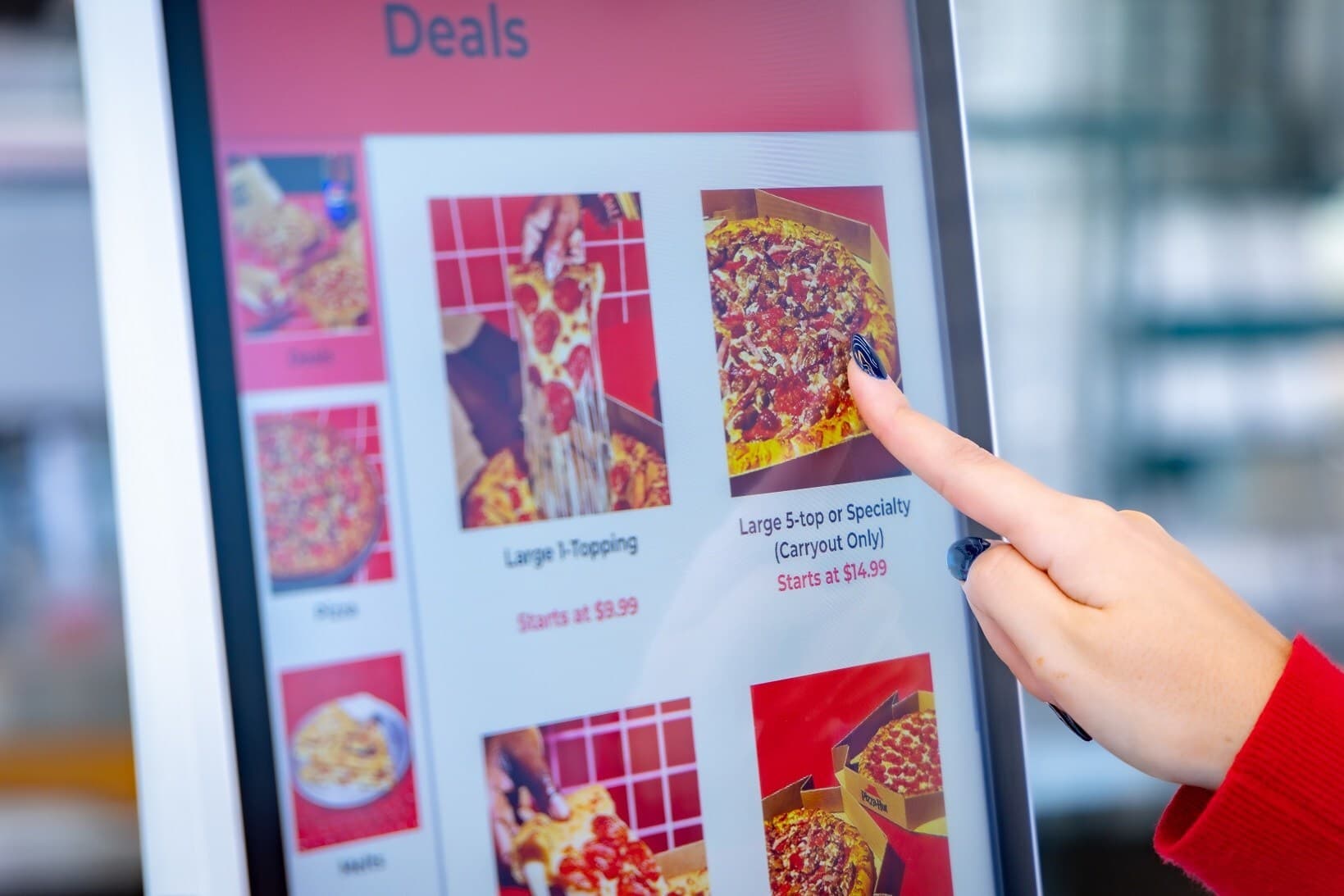
The near-term change is already inside Yum! Brands’ Byte by Yum! platform, introduced on Feb. 6, 2025 for Pizza Hut, KFC, Taco Bell and Habit Burger & Grill. Yum! said the system pulls together online and mobile ordering, point of sale, kitchen and delivery optimization, menu management, inventory and labor management, and team-member tools. The company said 25,000 Yum! restaurants globally use at least one Byte by Yum! product, and U.S. brands process more than 300 million digital transactions a year using Byte elements. Yum! then deepened that push on March 18, 2025 with a partnership with NVIDIA to accelerate AI across its restaurants.

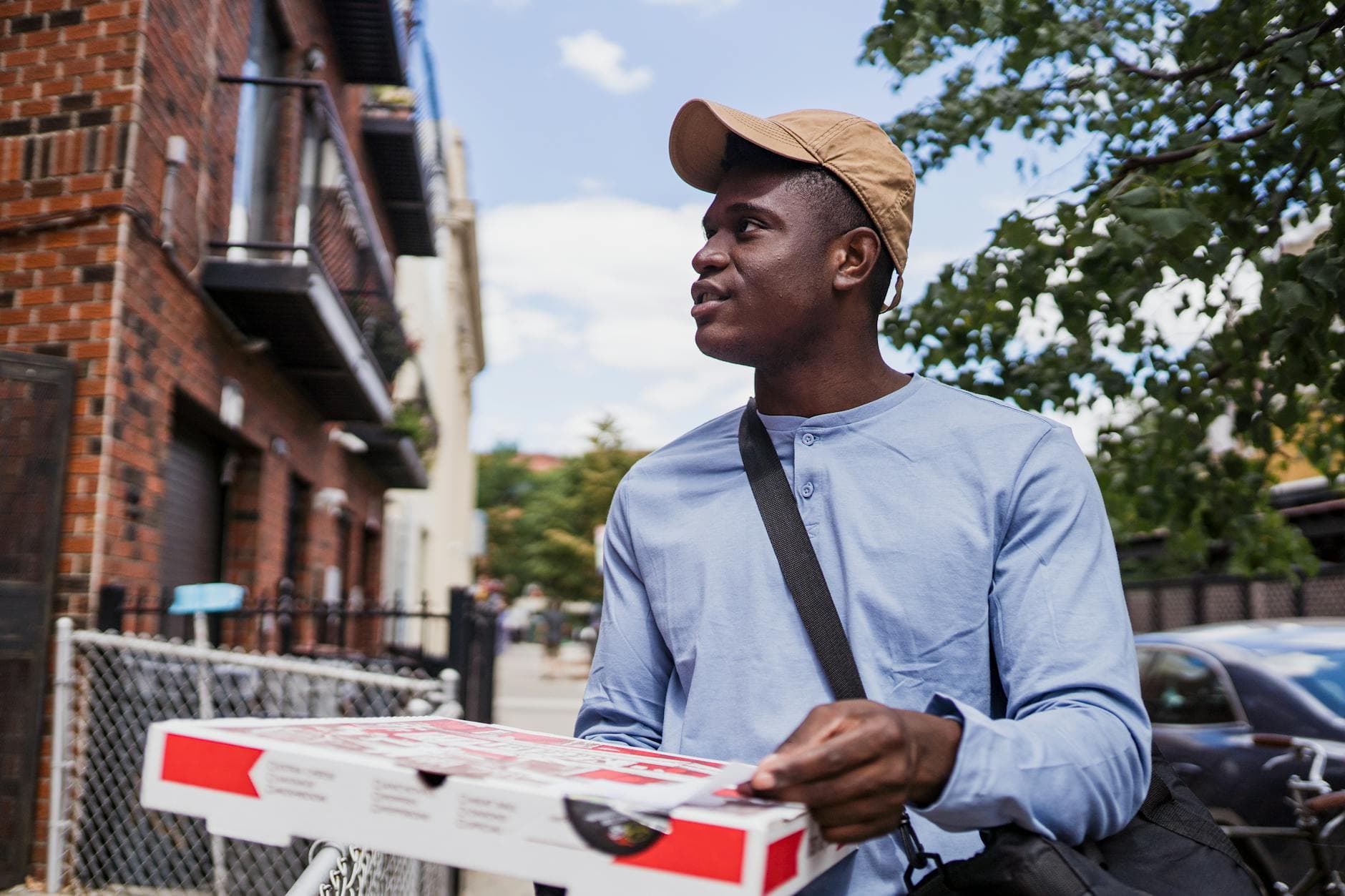
For a Pizza Hut manager, that matters most on the floor. AI that helps forecast a rush, flag a shortage or smooth delivery dispatch can change how many people are on make line, who answers the phone and how quickly a driver can leave with the right order. If it only adds another screen to monitor, it does not solve the problem. The chain’s December 2024 prototype in Plano, Texas showed the direction more plainly, with self-service kiosks, heated pickup cabinets, a drive-thru and a Hut ’N Go menu of ready-now items. Pizza Hut said that design was its first such U.S. format and that it was already operating in nearly 2,000 international locations.
The showroom pitch is more futuristic, and more uncertain. Miso Robotics said its Flippy automated fry cook costs about $75,000, plus monthly service and software charges, a price that can look competitive only if it replaces enough labor over time. Drones were also on display, alongside AI assistants meant to warn managers that a store is busier than expected or that a ketchup shortage is about to become a service failure. Those tools may eventually change staffing and dispatching, but they are still more promise than daily operating standard for most Pizza Hut stores.
Pizza Hut has been circling this future for years. In July 2016, it launched a social-ordering chatbot through Facebook Messenger and Twitter with Conversable. On Jan. 8, 2018, it announced a global alliance with Toyota to explore fully autonomous delivery vehicles, building on a delivery algorithm, hotter delivery pouches and a U.S. beer-and-wine delivery pilot. In China, Pizza Hut has also worked with Meituan on drone delivery, and Meituan said its drone program had opened 31 routes and completed more than 300,000 orders by the end of June 2024.
The bigger picture for Pizza Hut is not robot theater. It is whether AI, pickup automation and delivery tech can reduce labor strain, improve order accuracy and make handoffs cleaner without slowing down the store. With roughly 6,000 locations and fierce competition from DoorDash, Uber Eats and the chain’s own off-premises demands, the stores that gain the most will be the ones where technology cuts friction instead of creating new work for the crew.
Know something we missed? Have a correction or additional information?
Submit a Tip