Pizza Hut workers face value pressure as diners shift to apps and delivery
Pizza Hut’s next year is a fight over value, app traffic, and handoff speed. The stores that make ordering easy and rewards obvious will absorb the squeeze best.
The value problem hits before the pizza does
Pizza Hut’s next year will be won or lost on whether a customer feels the value before the box is even opened. McKinsey’s 2026 restaurant outlook says U.S. dining is hitting a turning point because value, pricing, and channel choice are reshaping demand, even as food away from home still makes up more than half of U.S. food and beverage spending. The catch is that growth is plateauing, and inflation, tariffs, and uncertainty are making diners question every restaurant visit.
That matters in a Pizza Hut store because the value gap is widening in plain sight. McKinsey says restaurant and takeout prices rose faster than grocery prices over the period it studied, which means the chain is not just competing with other pizza brands. It is competing with the feeling that cooking at home, ordering differently, or skipping the order altogether is the smarter move. For a manager, that is not an abstract market trend. It is the reason a promo has to be obvious, a menu board has to be readable, and a busy night can turn into a weak one if the price message is muddy.
The National Restaurant Association’s 2026 report points to the same pressure from a different angle: operators are zeroing in on economic pressure, workforce issues, digital ordering, automation, and data analytics. In other words, the industry is no longer asking only how to sell more. It is asking how to sell more with tighter labor, more digital complexity, and less room for error. Pizza Hut teams will feel that in scheduling, in make-line decisions, and in how many extra touches the store can afford before margins start slipping.
The order path is now part of the product
The biggest shift for Pizza Hut is not simply that people want cheaper pizza. It is that they want the easiest path to get it. Toast’s 2026 delivery trends report says 48% of respondents most frequently use DoorDash, while about 33% prefer a restaurant’s app. Older customers are more likely to order directly from the restaurant, which is a reminder that app behavior is not one-size-fits-all.
That split changes how you think about selling. Third-party apps still matter because they are where a lot of customers start, but the direct app is where Pizza Hut keeps more control over pricing, loyalty, and repeat business. DoorDash and SevenRooms are using data from 50 million monthly users and more than 3,000 U.S. consumers to map how guests move from discovery to conversion to repeat visits, which shows how serious the fight for digital loyalty has become. If the path from browsing to ordering to reordering is clunky, Pizza Hut loses not just one ticket but the next several.
For store teams, the practical takeaway is straightforward. The make line is no longer just serving dinner, it is serving a channel mix. That means speed and accuracy matter more, because a late or wrong order does not just frustrate one guest, it undermines the direct-order habit the brand is trying to build.
Pizza Hut is built for this, but the bar is higher now
Pizza Hut is not starting from zero. The company says it opened its first store in Wichita, Kansas, on May 31, 1958, and now operates nearly 17,000 restaurants in more than 100 countries. Yum! Brands says its system spans more than 63,000 restaurants in 155 countries and territories, which puts Pizza Hut inside a much larger global machine even as each franchise still lives or dies on local execution.
The chain also has a long digital story to lean on. Pizza Hut says it made the first online food order in 1994, and that more than half of its transactions worldwide now come from digital orders. That history matters because the brand’s current push is not a desperate pivot into technology. It is an attempt to defend a long-held identity as a convenience-and-innovation brand while traffic and revenue have become more fragile.
The menu story fits that pattern too. Pizza Hut has long sold nostalgia and novelty together, from Original Pan Pizza in 1983 to Original Stuffed Crust in 1995. Today, that same logic shows up in bundles and digital offers rather than headline-grabbing product launches. Pizza Hut’s 2025 Pizza Trends Report pointed to customers gravitating toward pairings, bold flavors, and pizza-and-wings bundles, including a $19.99 Stuffed Crust Pizza & Wings Bundle. That tells managers what kind of value feels real to customers: a deal they can understand fast, not a coupon maze.
What the app and Hut Rewards relaunch changes on the floor
Pizza Hut’s app is no longer just a convenience tool, it is part of the selling strategy. The app messaging centers on contactless ordering, saved orders, deals, and Hut Rewards points, along with app-only exclusives and challenges. On April 21, 2026, Pizza Hut relaunched Hut Rewards as a new membership focused on ongoing value, exclusive access, experiences, merchandise drops, and digital games.
That is more than a marketing refresh. It is a move to keep customers inside Pizza Hut’s own ecosystem instead of letting third-party delivery apps own the relationship. For managers and above-store leaders, that means the loyalty program is now a frontline operating issue. Your crew has to know which offers are live, how rewards are redeemed, and where customers are most likely to get confused. If the value promise is strong but the checkout flow is messy, the app becomes a leak instead of an asset.
This is where pricing and selling collide. You can’t treat the membership push as something that lives only in corporate materials. It will affect how customers compare meals, how often they return, and how hard it is to hold margin when a discount culture becomes the norm. The stores that win will be the ones that make direct ordering feel easier than chasing a deal on a marketplace app.
Why the new store design matters for shifts and service
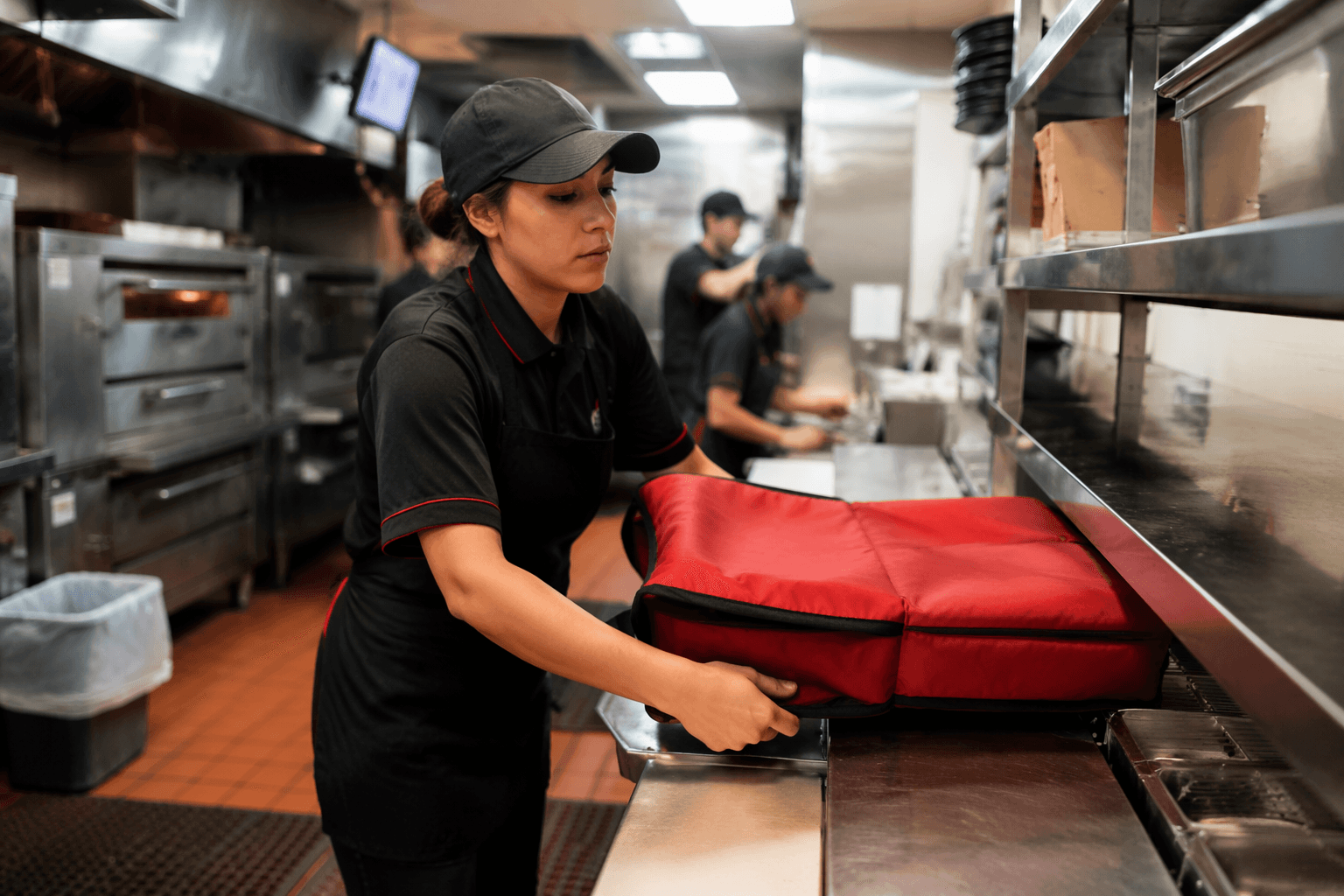
Pizza Hut is also testing how the building itself should change. In Plano, Texas, the company piloted a new restaurant design with pick-up cabinets, self-service kiosks, and Pizza Hut’s first Hut ’N Go drive-thru menu in the U.S. That tells you where the brand thinks the bottlenecks are: not in making pizza, but in getting it into the customer’s hands without slowing the store down.
For a shift manager, that matters because off-premise volume lives or dies on handoff. Pick-up cabinets can cut lobby friction, kiosks can reduce front-counter pressure, and a drive-thru menu can make the pickup path more predictable. But those tools only help if orders are staged correctly, tickets are accurate, and the store can keep separate streams from colliding during a dinner rush.
This is also where staffing becomes a business decision instead of a labor one. The National Restaurant Association’s focus on workforce issues, automation, and data analytics reflects what Pizza Hut crews already know: the wrong staffing mix makes digital demand harder to absorb, not easier. If app orders spike and the crew is arranged for walk-in traffic, the store starts paying for it in remakes, delays, and bad handoffs.
The pressure is real because the business has less room for error
The stakes are higher because the broader business is under strain. Reuters reported in April 2026 that Pizza Hut and Papa Johns were edging closer to new ownership amid competition, commodity costs, and weak demand. CNBC reported that Pizza Hut U.S. same-store sales fell 2% in Yum’s third quarter of 2025. Those numbers do not leave much slack for stores that miss on value or stumble on service.
That is why the next year is less about chasing a shiny trend and more about operating discipline. Pizza Hut teams need to price with clarity, schedule around digital demand, sell through direct channels without making them hard to use, and serve with enough speed that the customer comes back. The brand’s future still rests on convenience, but convenience now means something narrower and harder: a clear offer, a clean app, and a handoff that feels effortless.
This article was produced by Prism’s automated news system from verified source data, official records, and press releases, then run through automated quality and moderation checks before publishing. The system is built and supervised by the people who set the standards it runs under. Read our full AI policy.
Know something we missed? Have a correction or additional information?
Submit a Tip