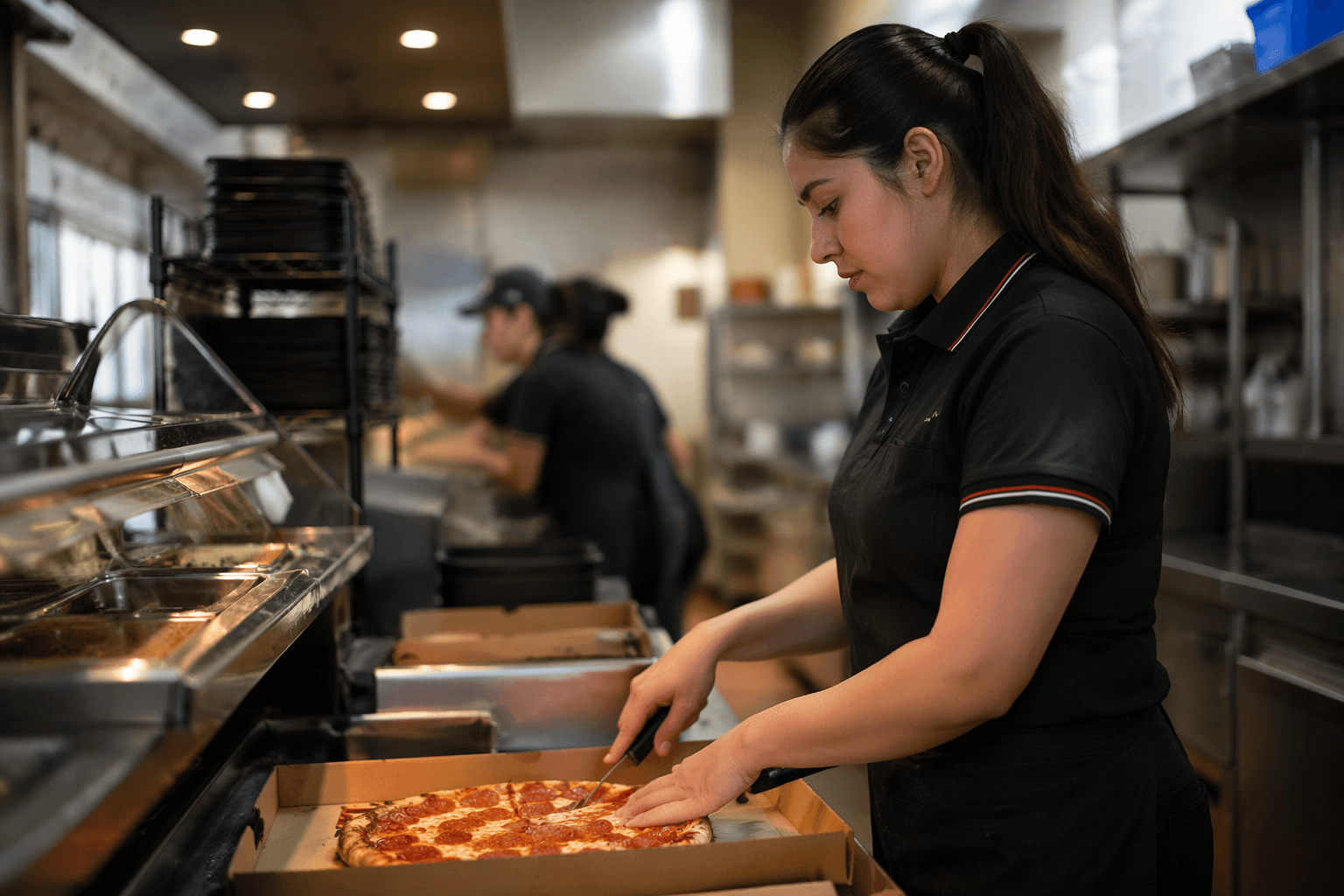
Uber, Block expand payments tie-up, signaling shift for Pizza Hut operators
Cash App Pay is heading to Uber and Uber Eats in the U.S., putting 59 million monthly users one tap away from checkout for Pizza Hut customers.
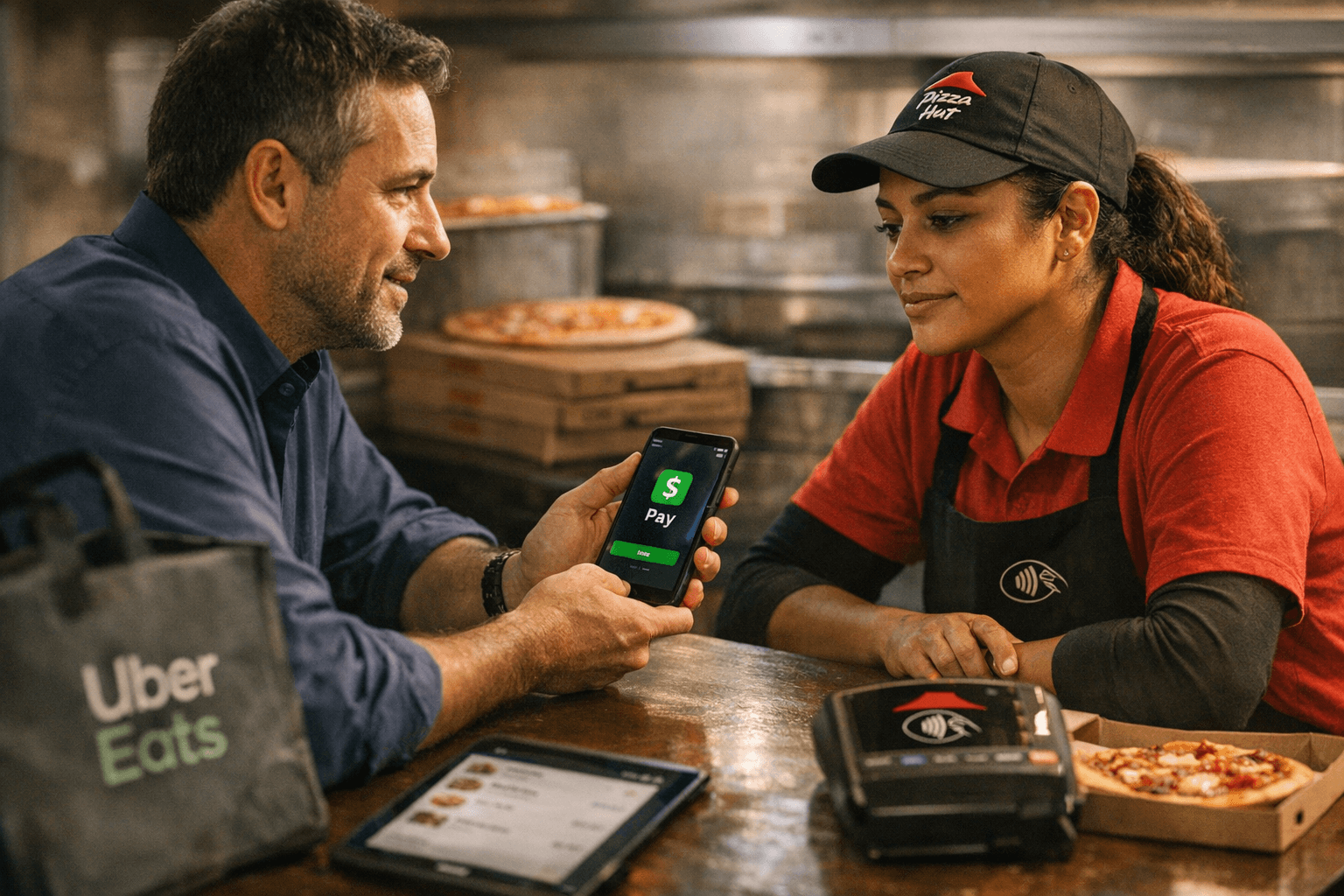
Uber and Block turned a payments partnership into an operational signal for restaurant chains on April 22, expanding Square’s native Uber Eats integration to Canada, Australia, the United Kingdom, Ireland, France and Spain, while bringing Cash App Pay to Uber and Uber Eats in the United States.
For Pizza Hut operators, the bigger story is not the tie-up itself but what it says about checkout. The fight is shifting from delivery speed alone to how easily a customer can pay, finish an order and stay inside the brand’s own system instead of bouncing to another app or abandoning the cart. That matters at Pizza Hut, where digital ordering is central to the business and every extra step at checkout can mean a lost order, a missed promo redemption or another call to the store asking how to pay.
Block said Cash App has 59 million monthly transacting users, a base it described as predominantly Millennial and Gen Z, with a growing teen audience. That makes wallet-style payment options more than a convenience feature. It is a way to cut friction for the customers most likely to expect one-tap checkout and less likely to tolerate a clunky payment screen before a Friday-night order or late delivery run.
The operational upside for stores is straightforward. Block said restaurants will be able to manage all orders directly through Square POS, with self-sign-up capability for the Uber Eats integration coming soon. For franchise operators and managers, that kind of integration can mean fewer handoffs between platforms, cleaner order flow at the make line and less time spent sorting out payment issues behind the counter. It can also reduce dependence on third-party workarounds that slow down busy shifts.
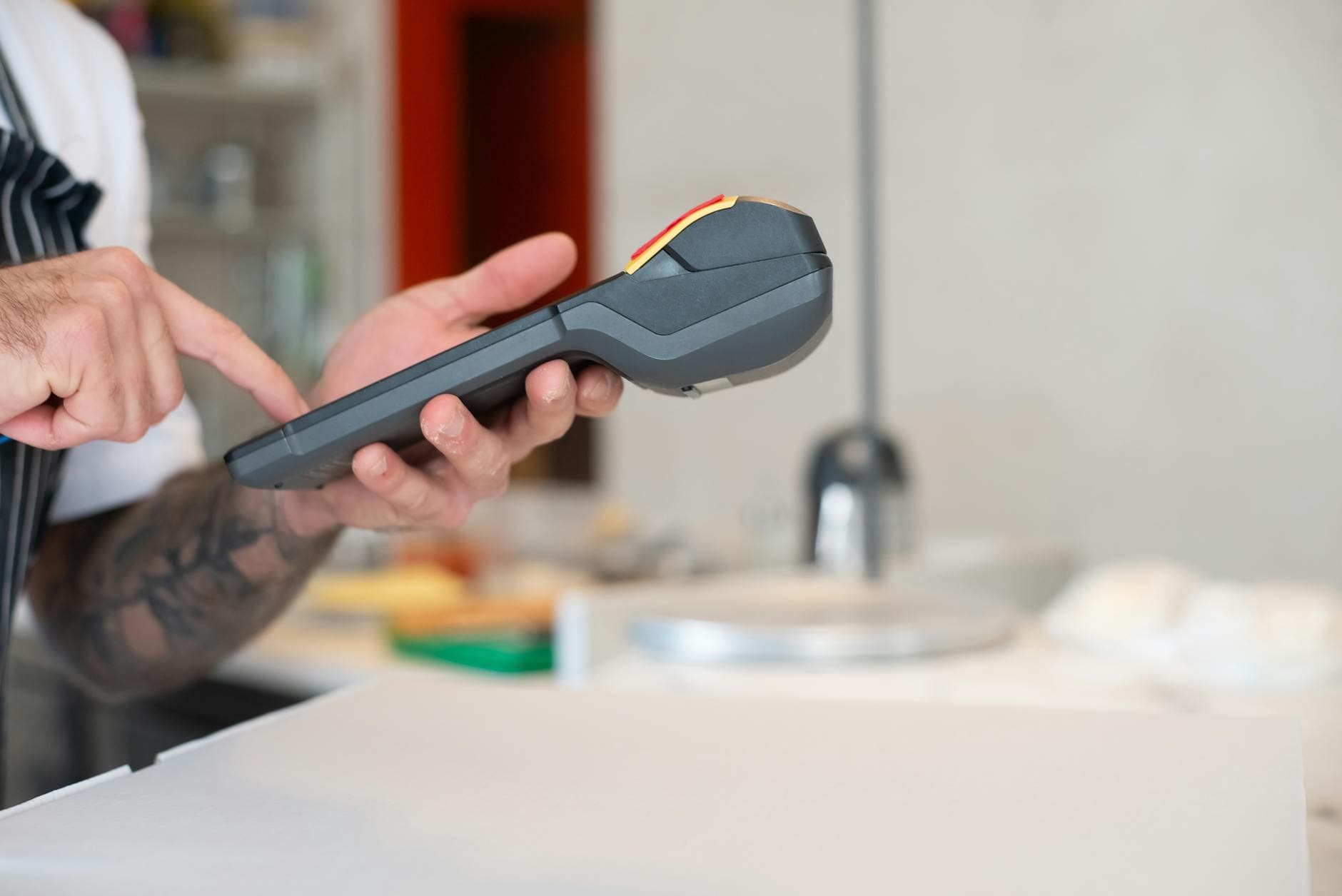
But more payment options also mean more moving parts. Every new checkout path has to be supported, trained and reconciled, which puts pressure on restaurant teams already juggling delivery tickets, driver timing and in-store orders. Uber said the partnership builds on its relationship with Block and is aimed at creating more seamless experiences for restaurant partners and consumers. The companies also said the move follows Uber’s earlier integration with Block’s Afterpay in Australia, which launched last year.
For Pizza Hut, the takeaway is clear: delivery economics are increasingly being shaped by software choices as much as by food quality or speed. The stores that keep pace with wallet payments and POS integration will be better positioned to protect throughput, reduce errors and keep customers from dropping out at checkout.
This article was produced by Prism’s automated news system from verified source data, official records, and press releases, then run through automated quality and moderation checks before publishing. The system is built and supervised by the people who set the standards it runs under. Read our full AI policy.
Did this article answer your question?