Uber Delivery Momentum Keeps Pressure on Pizza Hut Direct Orders
Uber's booking surge keeps Pizza Hut stores fighting for direct orders, while drivers and crew face tighter dispatch and faster turns, not automatic bigger paychecks.
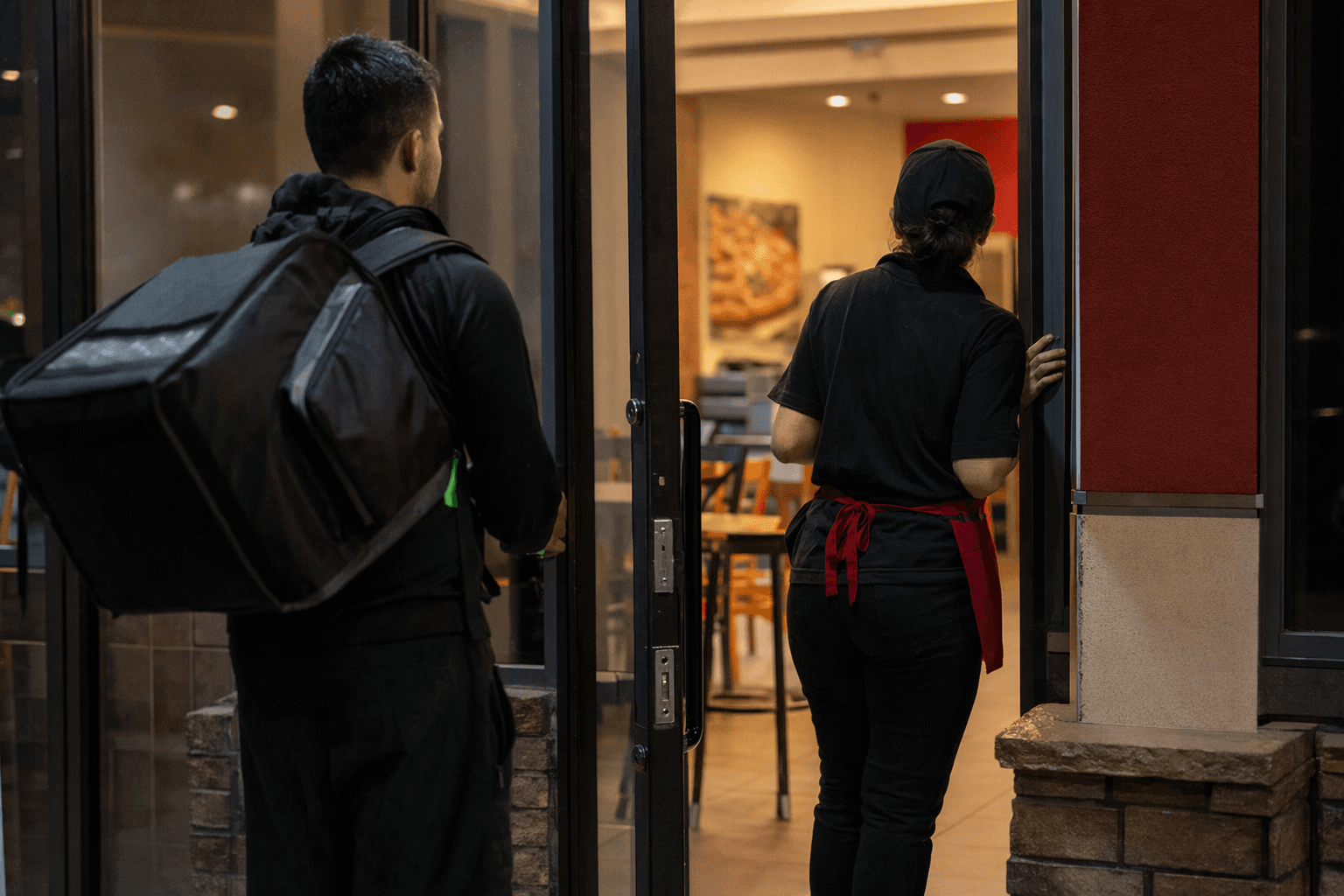
Uber’s stronger delivery outlook is not just a Wall Street story. For Pizza Hut drivers, kitchen crews and managers, it means a platform giant still has momentum, and that keeps pressure on stores to win orders on speed, fees and convenience instead of assuming customers will come straight to the brand.
Uber said on May 6 that second-quarter bookings would come in above Wall Street estimates, helped by strong demand for ride-hailing and delivery. The company also said its delivery business was getting support from international markets and from a broader push into food delivery, grocery, travel and local commerce. Shares jumped about 7% after the forecast. For Pizza Hut workers, the practical reading is simple: Uber is still investing in the kind of frictionless ordering experience that makes it harder for a single restaurant chain to keep customers inside its own app, its own fees and its own delivery promise.
That matters inside Yum! Brands because Pizza Hut is part of a system that spans more than 63,000 restaurants in 155 countries and territories. Yum said in 2025 that it began a formal review of strategic options for Pizza Hut, a sign that the brand’s future is being judged against how well it can compete for traffic, loyalty and margin. In that kind of environment, every delivery order becomes part of a broader fight over who controls the customer relationship and who pays to keep it moving.
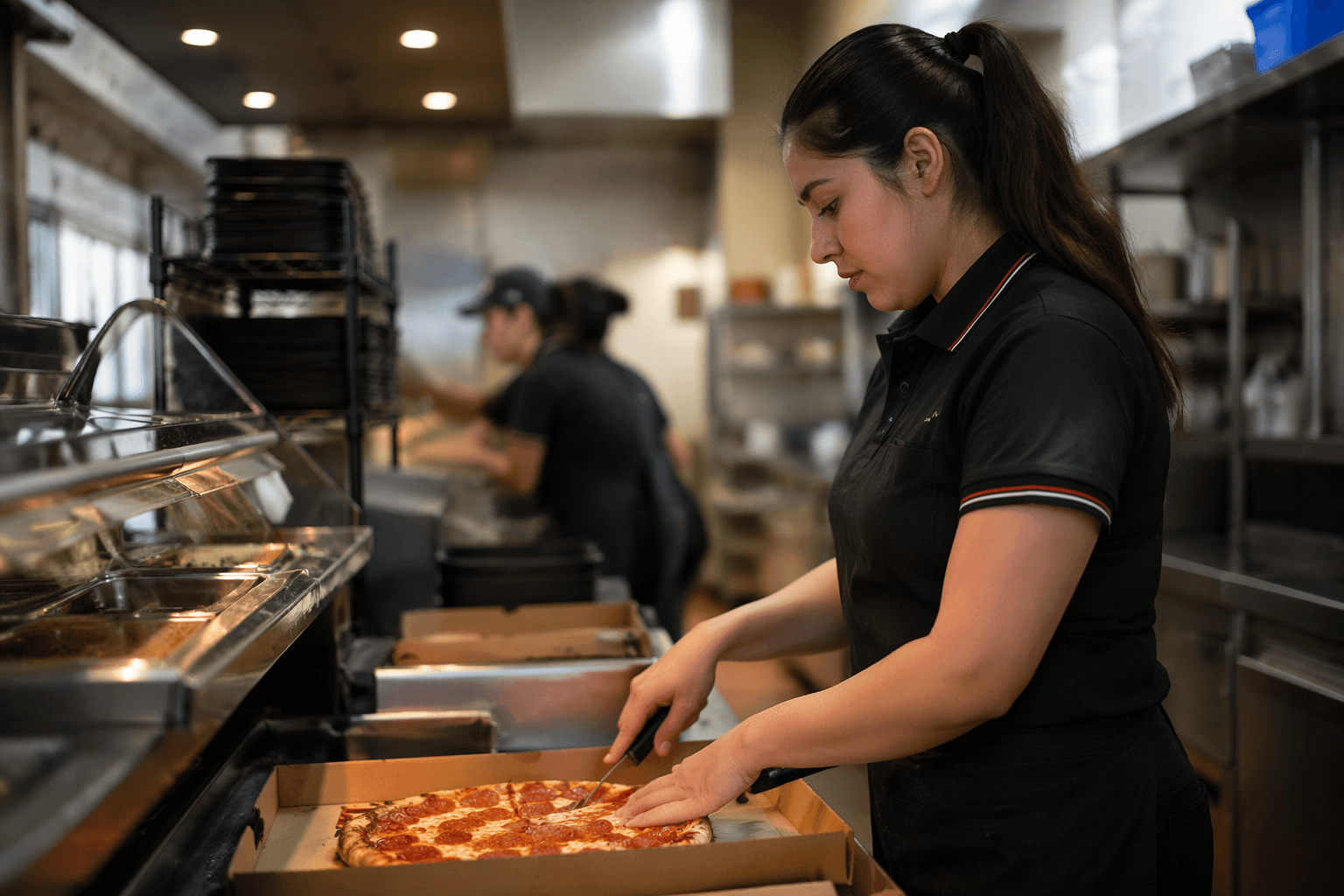
Yum has already pushed Pizza Hut toward more automation. The company said Pizza Hut U.S. uses Byte by Yum to cut the time pizzas wait in restaurants and give guests real-time visibility into their order location. The platform covers online and mobile ordering, point of sale, kitchen and delivery optimization, menu management, inventory and labor management, and team-member tools. Yum said its brands were processing more than 300 million digital transactions a year in the U.S. when Byte by Yum was introduced, a scale that shows how much delivery now depends on software, routing and labor efficiency.
That shift has already changed the job picture in some markets. In 2024, reports said some Pizza Hut franchisees laid off more than 1,200 delivery drivers in California as they moved toward DoorDash, Grubhub and Uber Eats. Domino’s, after years of resisting third-party delivery, signed a deal with Uber Eats in July 2023 and kept its own drivers on the road. That history matters for Pizza Hut because it shows the industry is not headed back to a pure in-house model. More delivery demand can mean more orders, but it can also mean tighter dispatching, thinner margins and more pressure on store-level staffing to do more with less.
This article was produced by Prism’s automated news system from verified source data, official records, and press releases, then run through automated quality and moderation checks before publishing. The system is built and supervised by the people who set the standards it runs under. Read our full AI policy.
Did this article answer your question?