Applebee's Franchisee Files Chapter 11 as Florida Locations Close
Fourteen Applebee's locations have already shuttered and 53 more hang in the balance after Neighborhood Restaurant Partners Florida filed Chapter 11 on March 24.
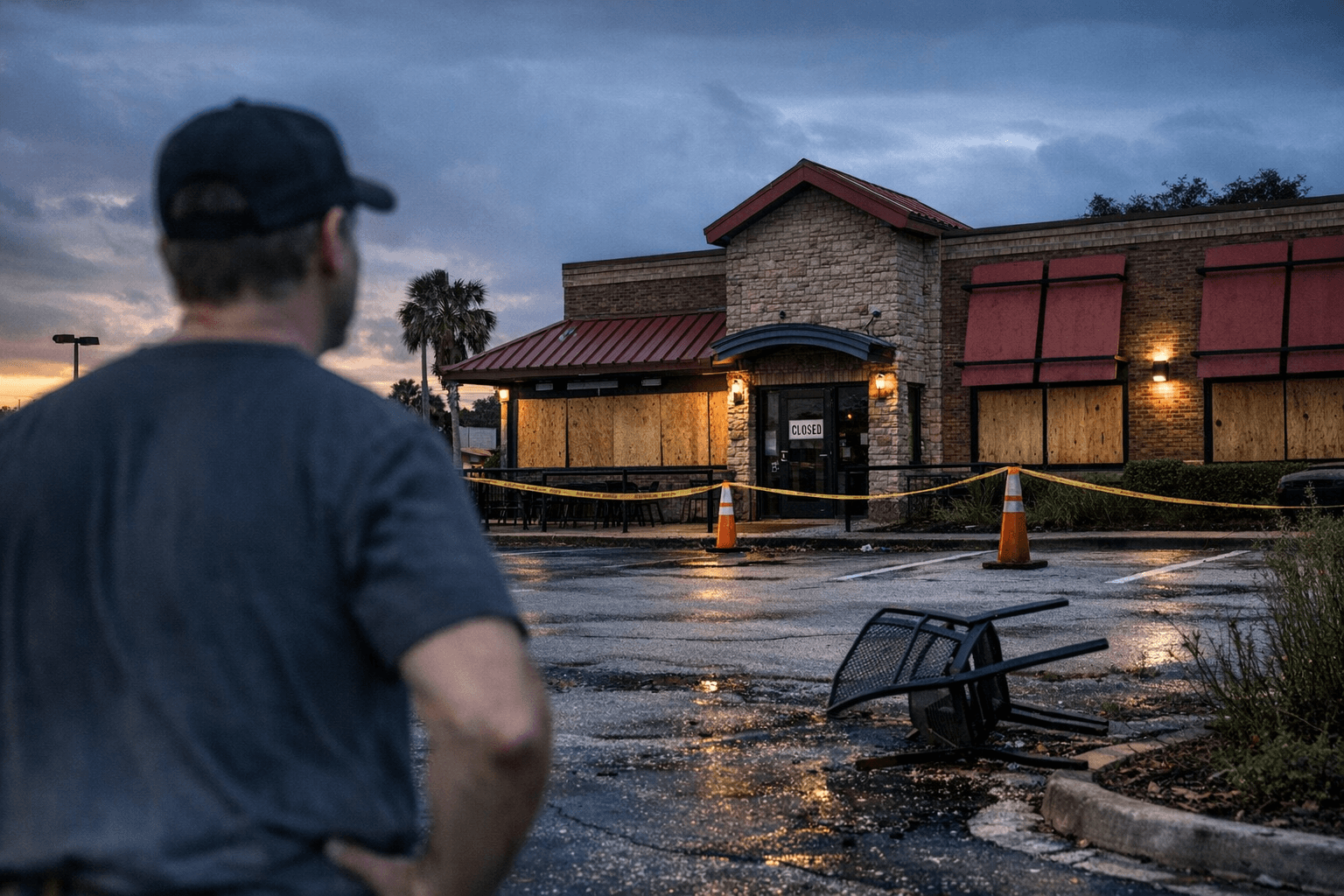
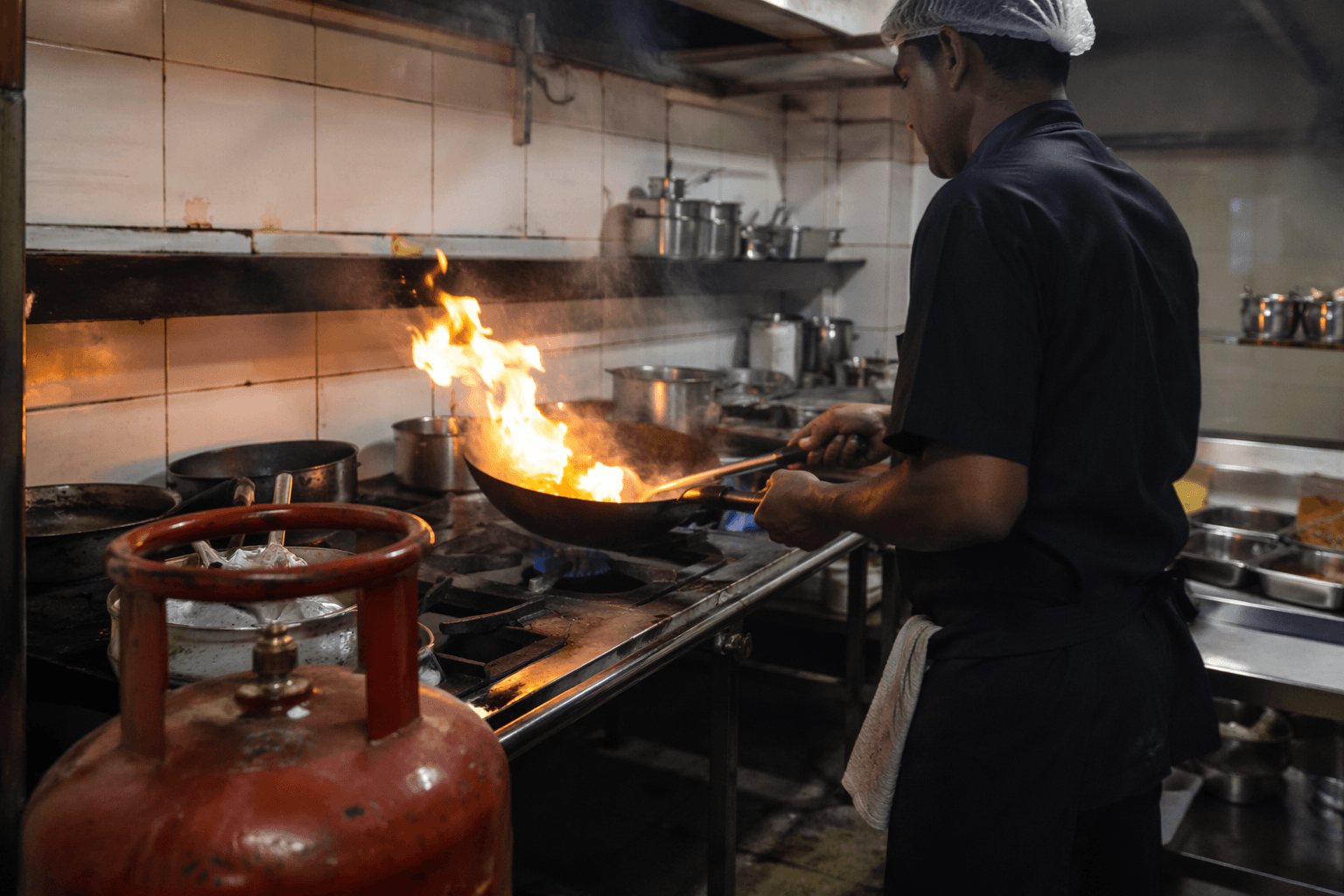
Fourteen Applebee's restaurants across Florida and Georgia are already dark, and the servers, line cooks, and bartenders who staffed them are out of work. The operator behind those closures, Neighborhood Restaurant Partners Florida, filed for Chapter 11 protection on March 24 in U.S. Bankruptcy Court in the Northern District of Georgia, leaving the future of 53 remaining locations, and everyone on their schedules, unresolved.
The Atlanta-based franchisee reported assets of $1 million to $10 million against liabilities of $10 million to $50 million, including more than $13 million owed to lender Equity Bank. Katie Goodman, the company's chief restructuring officer and managing partner of financial advisory firm GGG Partners, confirmed the scope of the contraction: nine restaurants shuttered across 2025, five more in the first quarter of 2026. The closures were concentrated in Florida and Georgia, with some of the lost locations near high-traffic tourist corridors including areas around Walt Disney World, SeaWorld, and Daytona International Speedway.
Before filing, the company ran a four-to-five-month sale process through Citizens Bank, reaching out to more than 83 prospective buyers. Seventeen groups expressed initial interest. None closed a deal. That failure pushed the company into court. Attorney Rob Williamson, representing the franchisee, said the company "plans to use the Chapter 11 process to facilitate a going concern sale of all of the current restaurants, and no additional closures are planned." The bankruptcy sale is targeted for mid-May.
Applebee's parent Dine Brands stepped in as the stalking-horse bidder, which sets a minimum floor price and signals the franchisor's intent to be selective about which locations it absorbs. Dine CEO John Peyton said the brand "remains strong" and that acting as stalking-horse bidder gives the company the chance "to be strategic and selective in supporting the long-term health of the system." For workers still clocking in at the 53 remaining units, that language translates to real uncertainty: a stalking-horse arrangement does not guarantee that every location survives the auction or that staff retain their current terms.
Even a successful transfer to a new owner or to Dine Brands directly tends to disrupt tipped workers most. Ownership transitions mean resets on scheduling, tip-pooling arrangements, and benefits eligibility. Traffic typically dips during the publicity around a bankruptcy, which hits tip income before the sale even closes. For a server at a tourist-corridor location banking on consistent weekend covers, a month of court proceedings can erode take-home pay without a single official closure.
Neighborhood Restaurant Partners is a subsidiary of Argonne Capital Group, a private Atlanta investment firm. Its sister company, Summit Restaurant Group, operates more than 250 IHOP locations and 48 Applebee's in Atlanta and San Antonio; neither Argonne nor Summit is part of the filing. That distinction matters to workers evaluating whether their specific location is inside or outside the bankruptcy perimeter.
If your restaurant is in the filing, the most protective moves are immediate: pull and preserve copies of recent pay stubs and tip records, ask management directly whether your location is included in the court case, and check your state's labor department for WARN Act postings, which legally require advance notice before mass layoffs. Florida, Georgia, and Alabama each maintain public layoff databases. If a new owner assumes the lease, verify in writing whether your employment terms carry over or reset. The mid-May sale deadline is close enough that this week's schedule may look nothing like next month's.
This article was produced by Prism’s automated news system from verified source data, official records, and press releases, then run through automated quality and moderation checks before publishing. The system is built and supervised by the people who set the standards it runs under. Read our full AI policy.
Did this article answer your question?