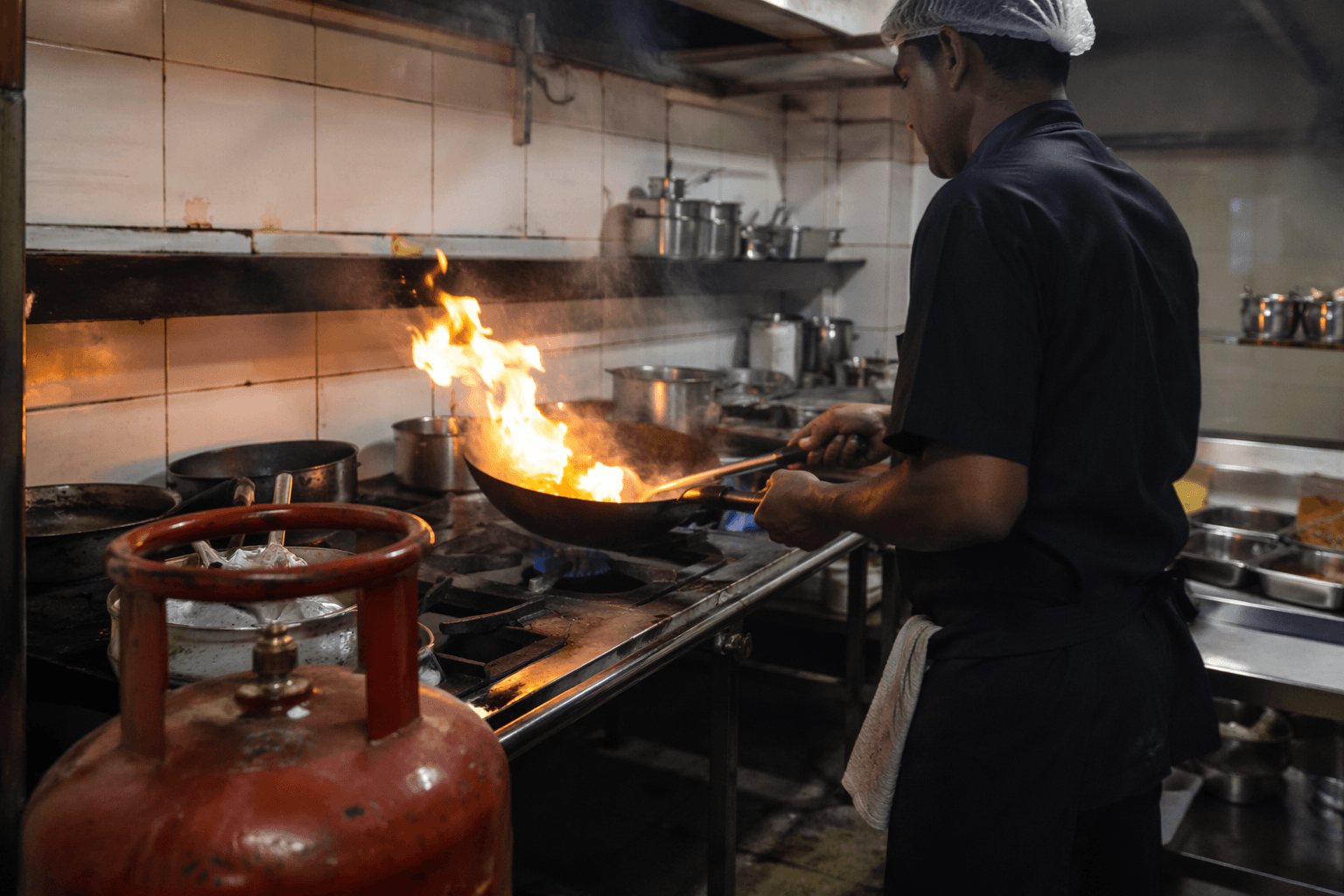
BLS: Chefs and head cooks see 7% job growth, steady demand
Moving up to chef means more than a pay bump: BLS puts pay at $60,990 and sees 7% growth, but the job also brings ordering, scheduling, and staffing pressure.
What the chef rung really pays
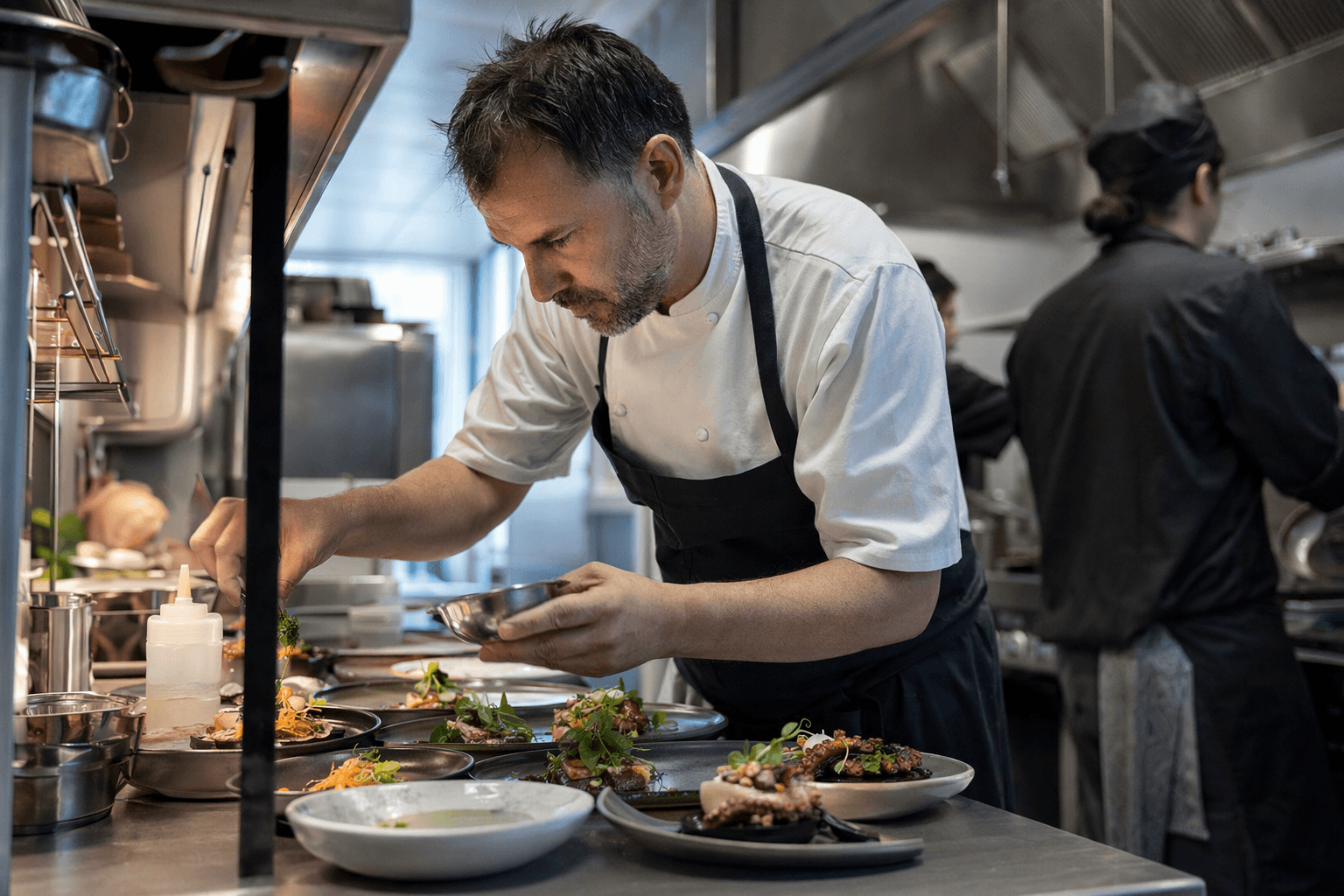
The jump from line cook to chef is not just a title change. It is the point where you stop only running tickets and start owning the room, from prep and plating to staffing, ordering, and keeping the kitchen clean enough to survive service.
The U.S. Bureau of Labor Statistics puts that tradeoff in black and white. Chefs and head cooks had a median annual wage of $60,990 in May 2024, while cooks as a broader occupation had a median hourly wage of $17.19. That gap is real, but so are the added responsibilities that come with it.
The ladder is open, but it is not automatic
BLS says chefs and head cooks typically need a high school diploma or equivalent plus work experience. Some move up through culinary programs, while others learn through apprenticeship-style programs or employer training. That matters because kitchen promotion is still shaped by the kind of shop you work in, the mentors you get, and whether management is willing to train from within.
For a line cook, that means there is no single route to the top. You might build your way up by mastering a station, then learning ordering, then learning how to lead a shift. In other kitchens, formal schooling opens the door faster. Either way, the job is not handed out for being fast on the line alone.
What changes when you get the keys
BLS describes chefs and head cooks as people who may plan and price menu items, order supplies, and keep records and accounts. That is the clearest sign that the role blends culinary skill with budget discipline and paperwork, not just taste and timing. If you want the promotion, you are also signing up for margins, invoice checks, and the kind of decisions that affect whether the kitchen runs out of salmon before Saturday night.
The work schedule changes too. BLS says chefs and head cooks often work early mornings, late evenings, weekends, and holidays, and the work can be hectic and fast-paced. That is the hidden cost of creative control. You may get more say in the menu, but you also inherit the least forgiving hours in the building.
The outlook is steady, not glamorous
The demand picture is stronger than many cooks might expect. BLS projects employment of chefs and head cooks to grow 7% from 2024 to 2034, which is faster than average, with about 24,400 openings a year on average. That suggests restaurants still need people who can handle both the food and the floor.
The broader food-preparation-and-serving occupational group tells a different story about the base of the industry. BLS says that group had a median annual wage of $34,130 in May 2024 and is projected to grow about as fast as average from 2024 to 2034, with about 2.6 million openings a year on average. In other words, the industry keeps producing a huge number of lower-paid openings, but the step into kitchen leadership is where compensation starts to separate from the pack.
Why restaurants keep pushing from within
That promotion path matters even more in a tight labor market. The National Restaurant Association said more than 8 million people dropped out of the labor force between February 2020 and April 2020, and the overall labor force did not return to pre-pandemic levels until August 2022. The same group said that as of February 2024, 26 states and the District of Columbia still had fewer eating-and-drinking-place jobs than in February 2020.
For operators, that uneven recovery means experienced cooks are still a scarce asset. Promoting someone who already knows the pace, the product, and the standards can be the fastest way to fill a leadership gap. It is also one of the few ways to turn institutional knowledge into retention instead of watching it walk out the door.
The money side is part of the pressure
The higher wage for chefs and head cooks does not erase the financial strain on restaurants. The National Restaurant Association said salaries and wages including benefits represented a median of 36.5% of sales among fullservice respondents to its 2024 Restaurant Operations Data Abstract. The association later said elevated labor costs had a significant impact on restaurant profitability in 2024.
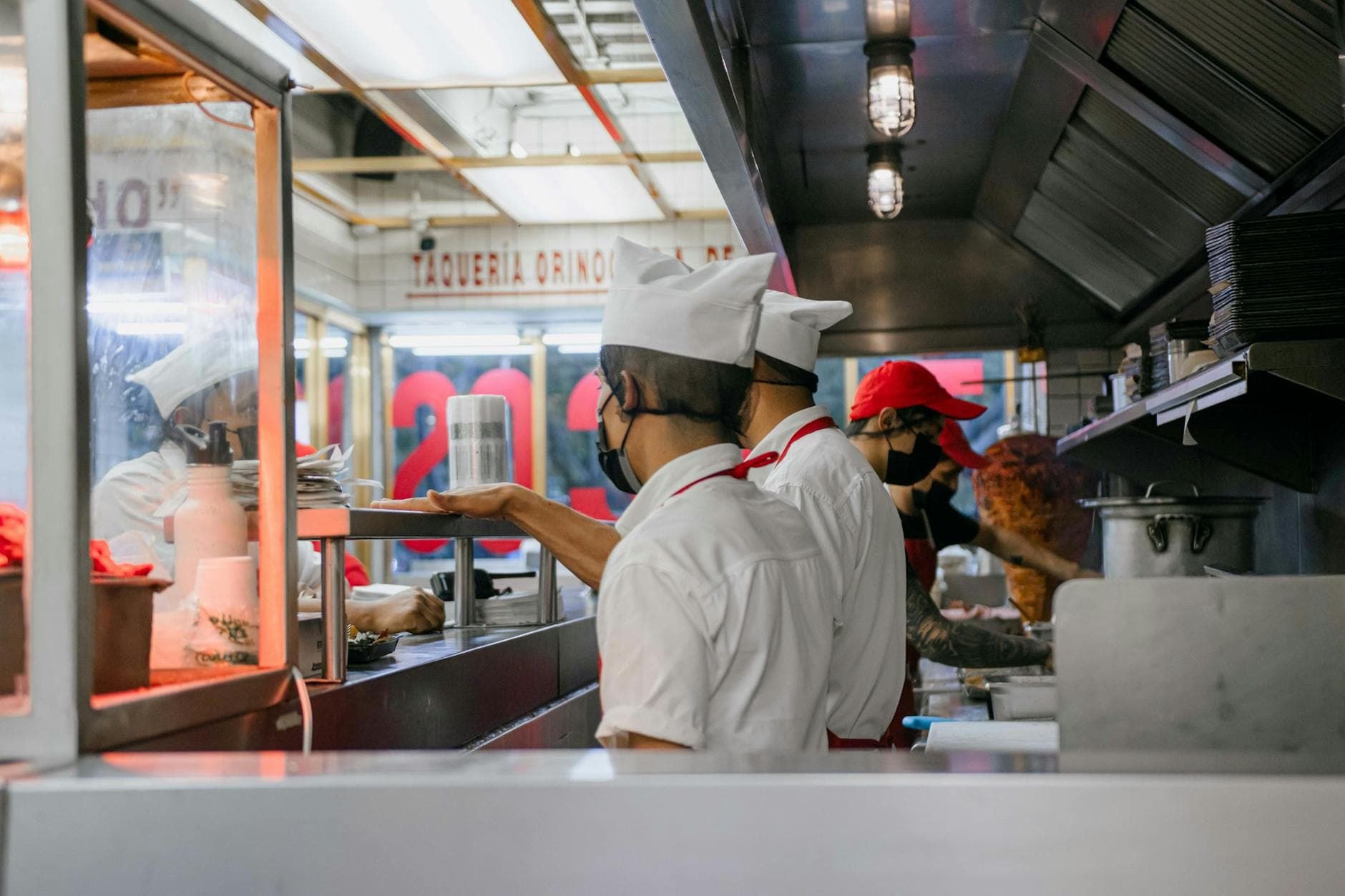
That explains why kitchen leadership gets squeezed from both directions. Restaurants need stronger managers in the back of house, but labor is expensive and margins are thin. When a chef role opens up, the operator is not just filling a job. They are trying to protect service while keeping payroll from swallowing the business.
Burnout is part of the calculation
Anyone who has lived through a double, a holiday rush, or a short-staffed Saturday already knows this job can grind people down. A 2024 National Restaurant News report on a study from BBADegree.org and Glassdoor said foodservice employees scored 98 out of 100 on a burnout scale.
That number lines up with what the BLS says about the schedule. Early mornings, late nights, weekends, and holidays are not occasional inconveniences in kitchen leadership. They are the job. If you want the pay and the authority, you also have to be ready for the pace that pushes so many restaurant workers out before they ever reach the top rung.
What the promotion really means
The chef path still makes sense for cooks who want more money, more control, and a bigger role in how a restaurant runs. The BLS numbers show steady demand, solid pay growth, and a clear labor need for people who can combine technical skill with people management. But the job is not a soft landing.
A move into head cook or chef is a move into scheduling, ordering, training, records, sanitation, and the constant pressure of service. For the people who can handle that mix, the ladder is still there. For everyone else, the line offers something more predictable, and in this business, predictability has real value too.
This article was produced by Prism’s automated news system from verified source data, official records, and press releases, then run through automated quality and moderation checks before publishing. The system is built and supervised by the people who set the standards it runs under. Read our full AI policy.
Did this article answer your question?