Tokyo’s Little India restaurants face closures under tougher visa rules
Nishi-Kasai restaurants bringing in about 40 million yen a year say a 30 million yen visa hurdle could force closures in Tokyo’s Little India.
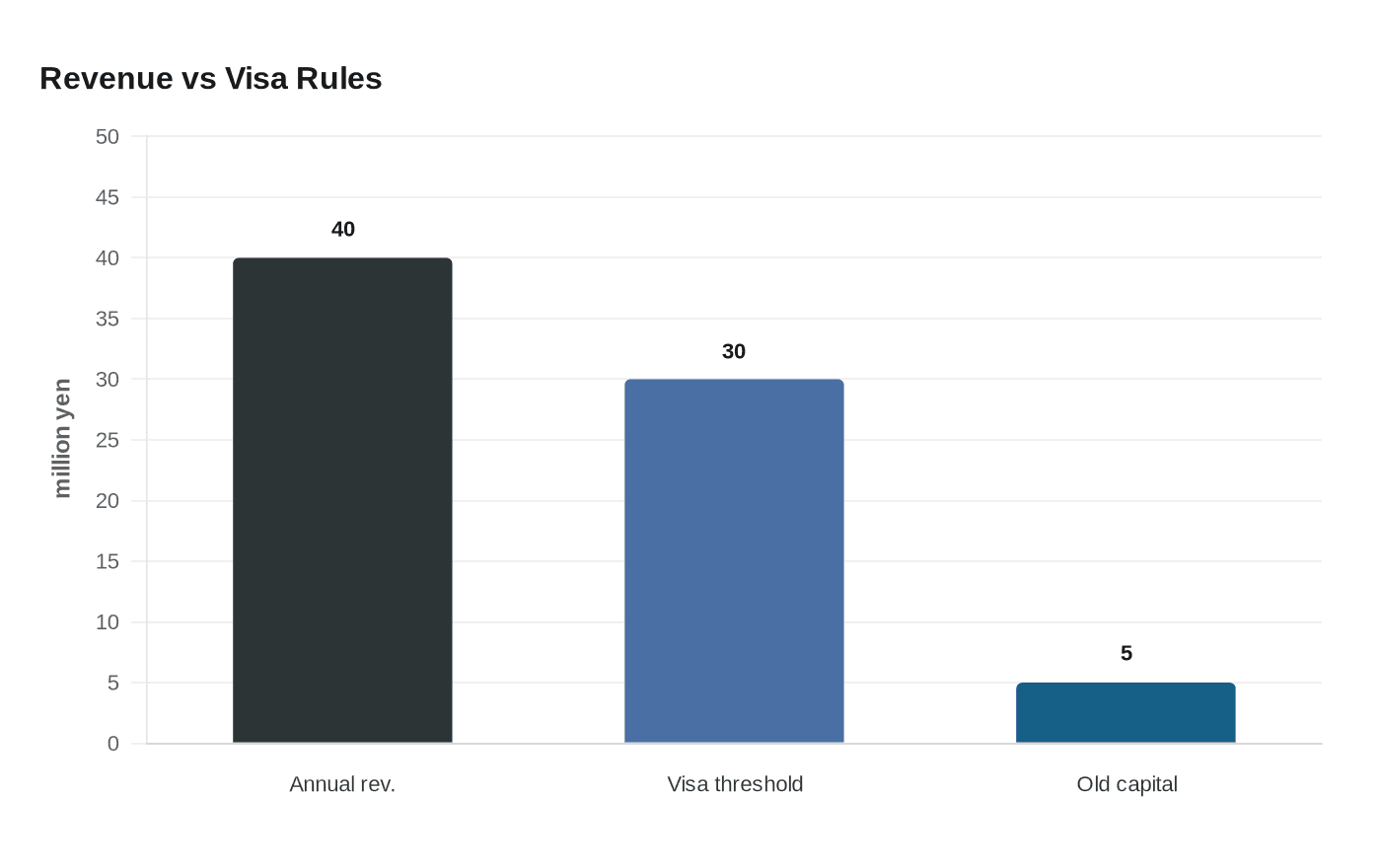
The dining rooms of Nishi-Kasai, Tokyo’s Little India in Edogawa Ward, are facing a new arithmetic that many owners say does not work: about 40 million yen in annual revenue against a 30 million yen visa renewal threshold. For immigrant-run restaurants that keep cooks, servers and suppliers busy in one of Japan’s best-known Indian enclaves, the revised rules could turn steady businesses into shutdown cases.
A 53-year-old restaurant owner in Nishi-Kasai told Asahi Shimbun, “I can’t prepare 30 million yen.” That single line captures the pressure now hitting small ethnic eateries that were built slowly, often through family labor and thin margins, rather than through large pools of investor capital. Owners say the new standard may force them to close, cut back, or leave Japan altogether.
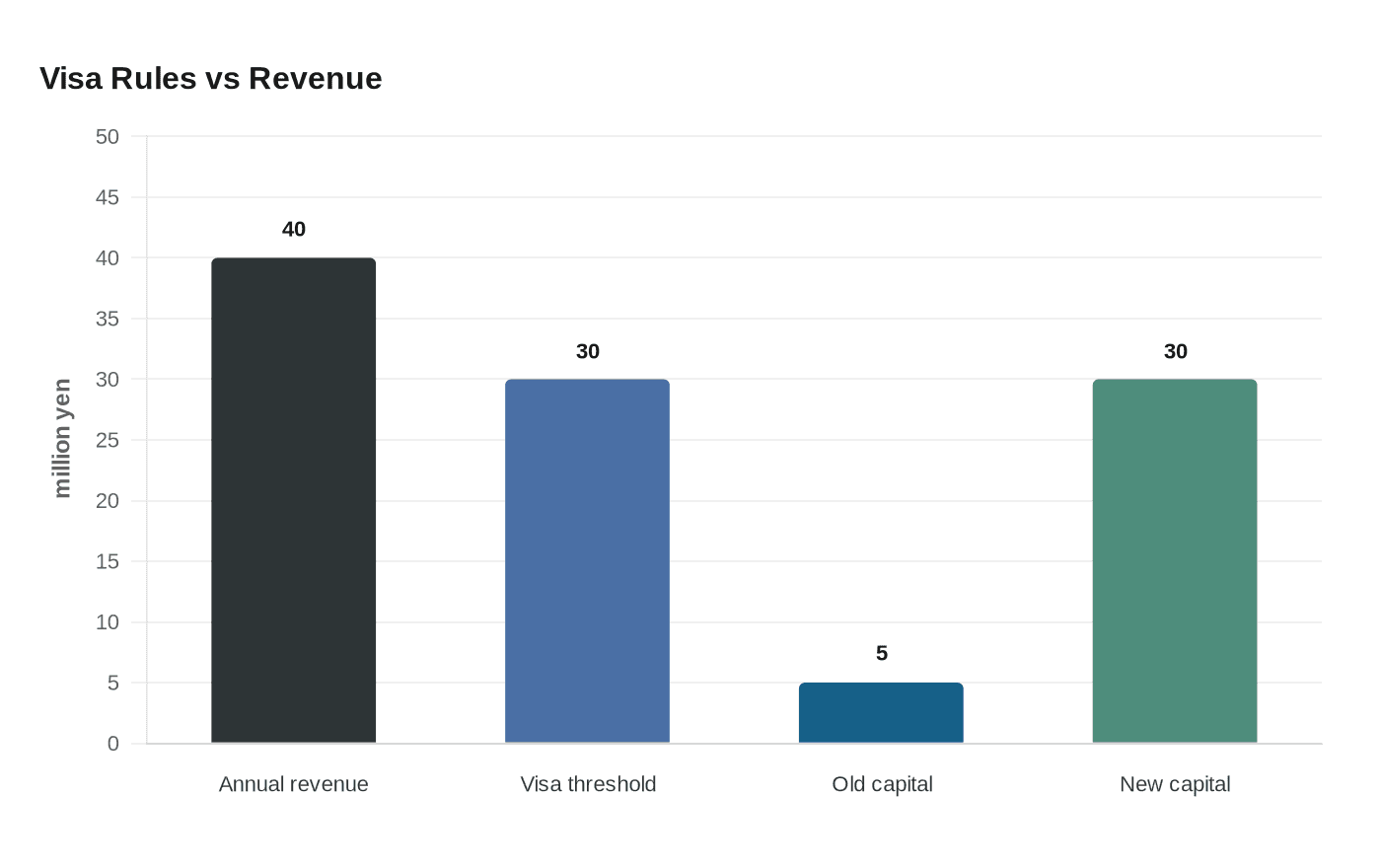
The tougher business manager visa rules took effect on October 16, 2025. Japan’s Immigration Services Agency raised the capital requirement from 5 million yen to 30 million yen and added a requirement to employ at least one full-time worker. The revised standards also call for Japanese-language proficiency, management experience and a business plan reviewed by a qualified professional such as a certified management consultant, accountant or tax accountant.
For Nishi-Kasai, the stakes are unusually visible. The district is widely known as Tokyo’s Little India, and outside reporting describes it as home to Japan’s largest Indian population, estimated at about 8,400 people. The area has built a restaurant economy around that community, with dining rooms, grocery counters and takeout shops serving workers, families and regular customers who have come to expect Indian food as part of the neighborhood’s daily life.
The new rules will not hit every operator at once. The Immigration Services Agency says applications accepted before the change are handled under the old standards, and existing business-manager visa holders can still have updates considered within a three-year transitional period even if they do not yet meet the new requirements. But for anyone needing a fresh application after that window, the 30 million yen bar becomes the gatekeeper.
Supporters of the tighter rules say they are aimed at preventing abuse of the visa system, including low-substance ventures such as short-term rental businesses. Still, the scale of the new capital requirement stands far above what most startups carry. Tokyo Shoko Research said only 1 percent of about 140,000 companies established in Japan in 2024 had capital of 30 million yen or more, a reminder that the rule is designed for a narrow slice of businesses. In Nishi-Kasai, that narrow slice may decide which restaurants survive and which disappear first.
This article was produced by Prism’s automated news system from verified source data, official records, and press releases, then run through automated quality and moderation checks before publishing. The system is built and supervised by the people who set the standards it runs under. Read our full AI policy.
Did this article answer your question?