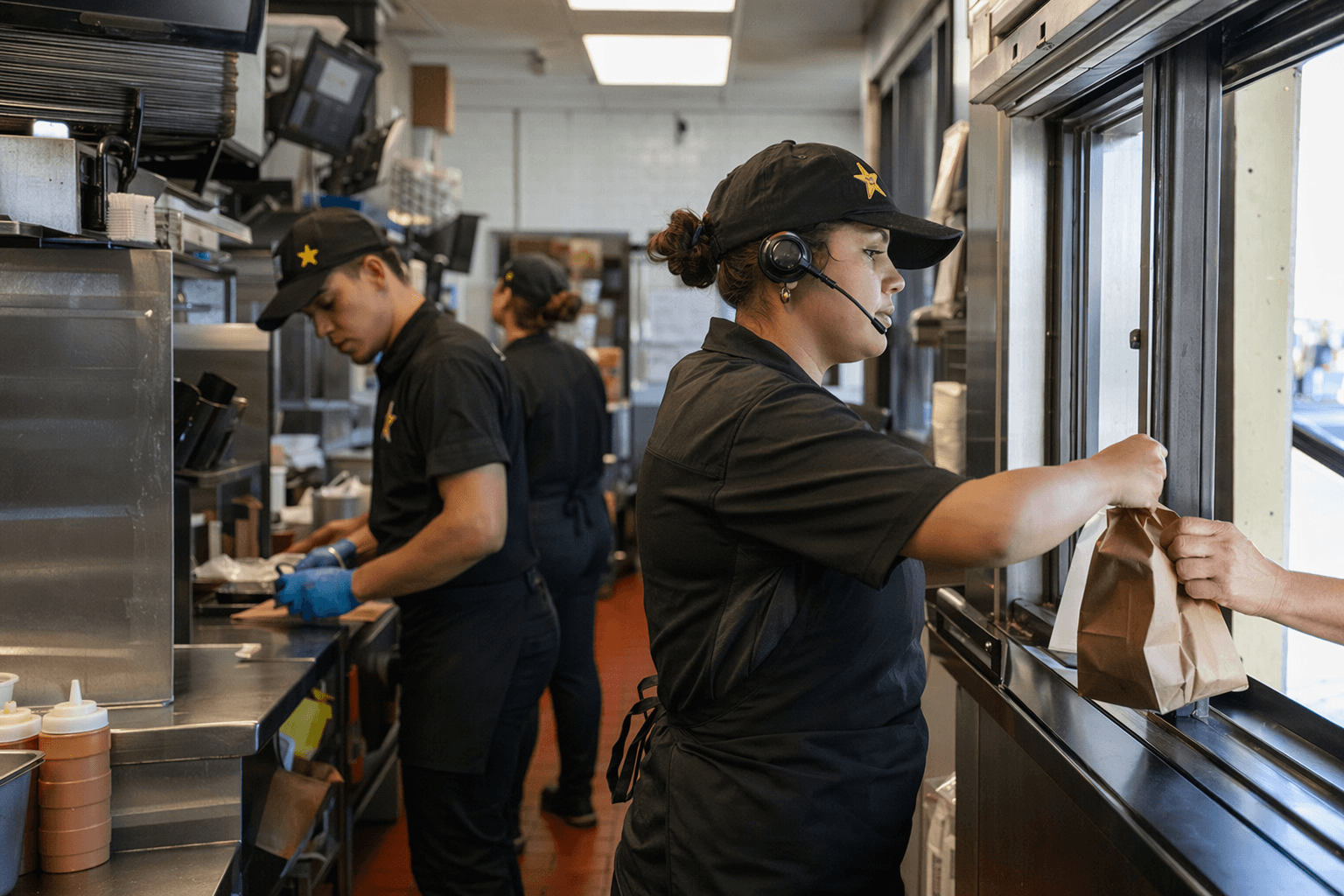
Canada's restaurant sector faces breaking point as costs surge
Restaurants Canada says 44% of members were barely surviving in late 2025, and Dalhousie now sees about 4,000 net closures in 2026.

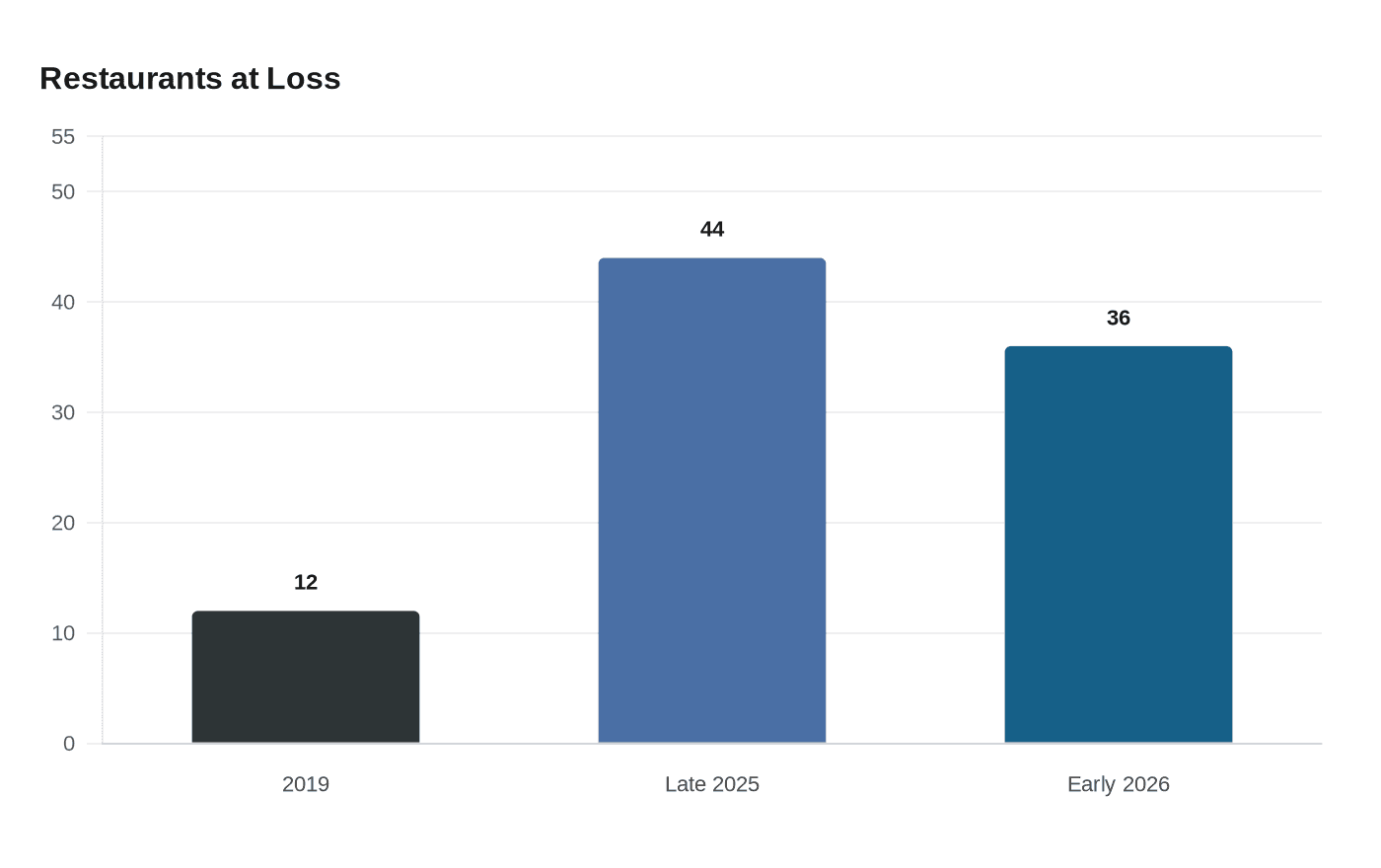
Canada’s restaurant sector is heading into 2026 with little room left to absorb more pressure. Restaurants Canada says 44% of surveyed members were either breaking even or operating at a loss in late 2025, up from 12% in 2019, while a later report put the share at 36% in early 2026. Dalhousie University’s Agri-Food Analytics Lab now forecasts a net loss of about 4,000 restaurants this year after roughly 7,000 closures in 2025.
The financial strain is showing up in operator expectations as much as in the books. Restaurants Canada says 60% of operators reported 2025 profitability was worse than expected, and nearly half expected 2026 profitability to worsen again. That is the kind of squeeze that can turn quickly into fewer shifts, tighter staffing and more independent dining rooms deciding they cannot keep up with rent, food costs and payroll.
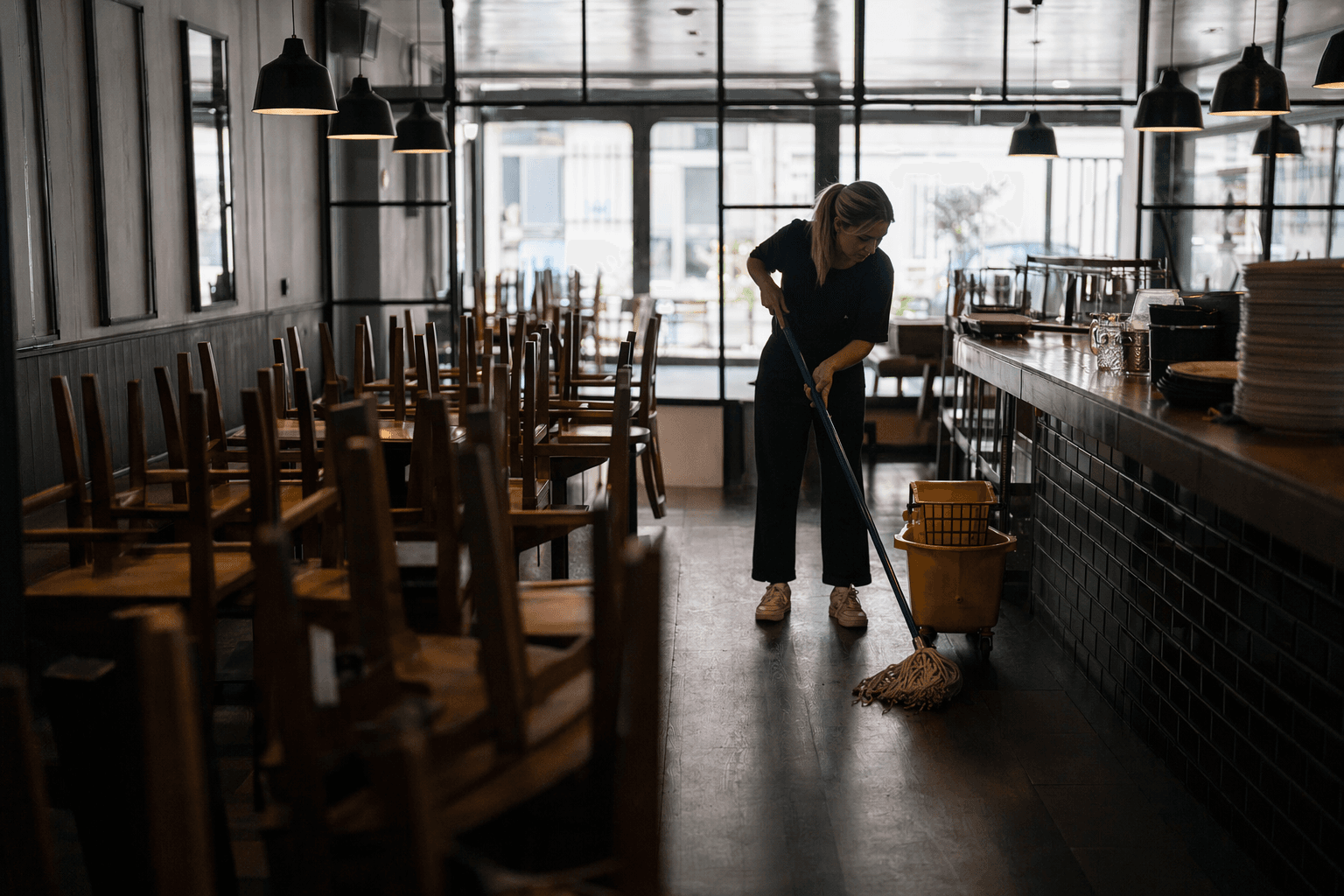
Demand has not been strong enough to offset the pressure. Three in four Canadians, 75%, say they are eating out less often because of the rising cost of living, and that figure climbs to 81% among people ages 18 to 34. For restaurants, that matters because younger diners are often a core source of traffic for casual spots, bars and delivery-heavy operators, especially when tips and overtime already make labor costs harder to manage.
There are still signs of size in the market, but not stability. Statistics Canada says annual sales for food services and drinking places totaled $101.4 billion in 2025, up 5.6% from 2024. Even so, month-to-month sales have continued to fluctuate around the $8.5 billion range, a reminder that strong total sales do not automatically translate into healthy margins for the operators carrying the cost of staffing and supply inflation.
Restaurants Canada is pressing Ottawa for a permanent end to GST/HST on food, including restaurant meals, arguing the industry remains vulnerable after the pandemic, inflation spikes, labor shortages, tariff disruption and weaker demand. The association says temporary GST/HST relief and stronger domestic travel helped some operators, but not enough to restore profitability. If governments leave the sector to absorb the next round of costs on its own, the likely result is more closures, and the workers who keep kitchens and dining rooms running will feel it first.
Know something we missed? Have a correction or additional information?
Submit a Tip