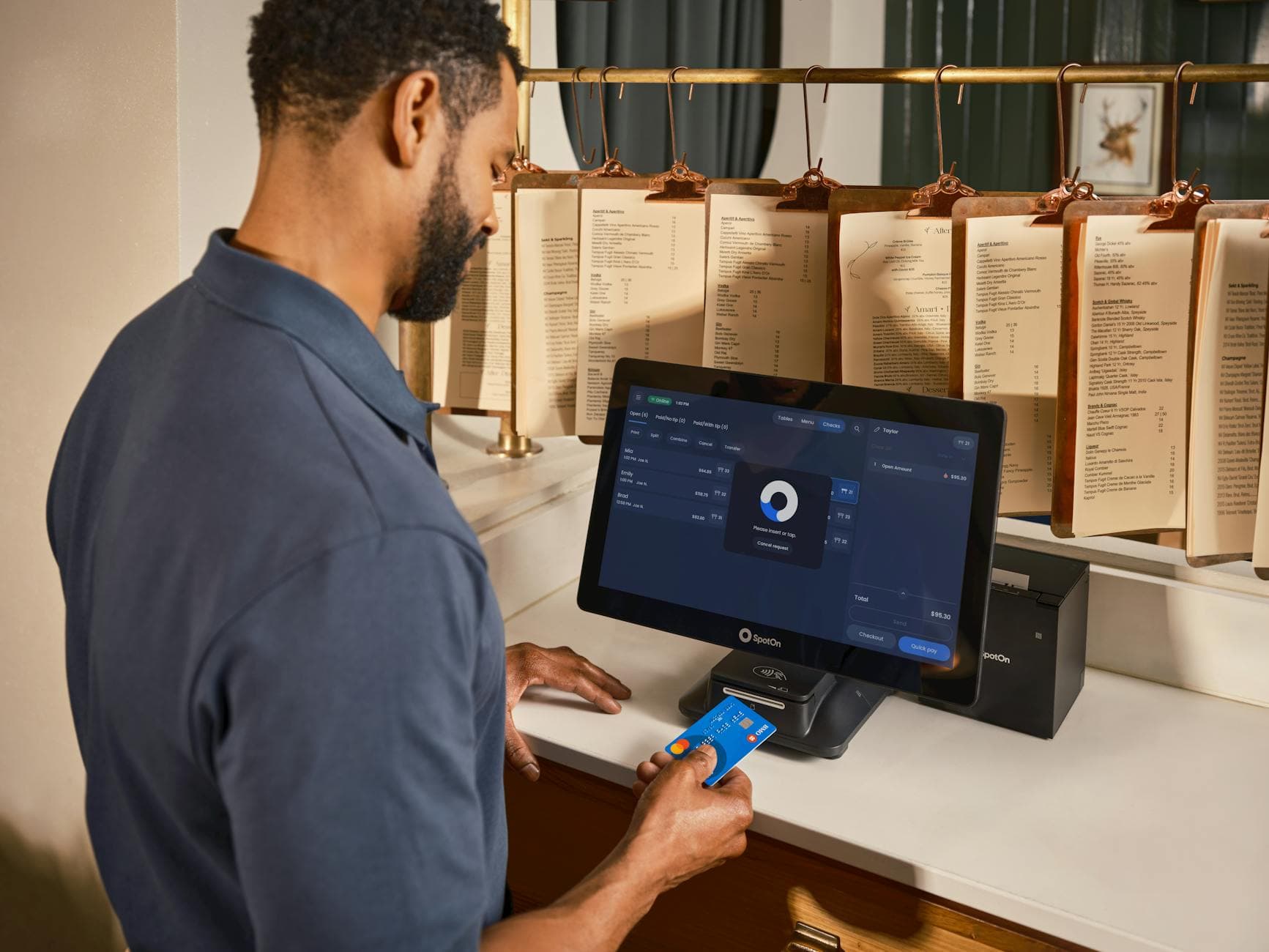
Carl's Jr. squeezed by California wage rules and safety concerns
Carl's Jr. is caught between California’s $20 fast-food wage, rising operating costs, and worker safety complaints that keep landing on the shift floor.
A chain squeezed from both sides
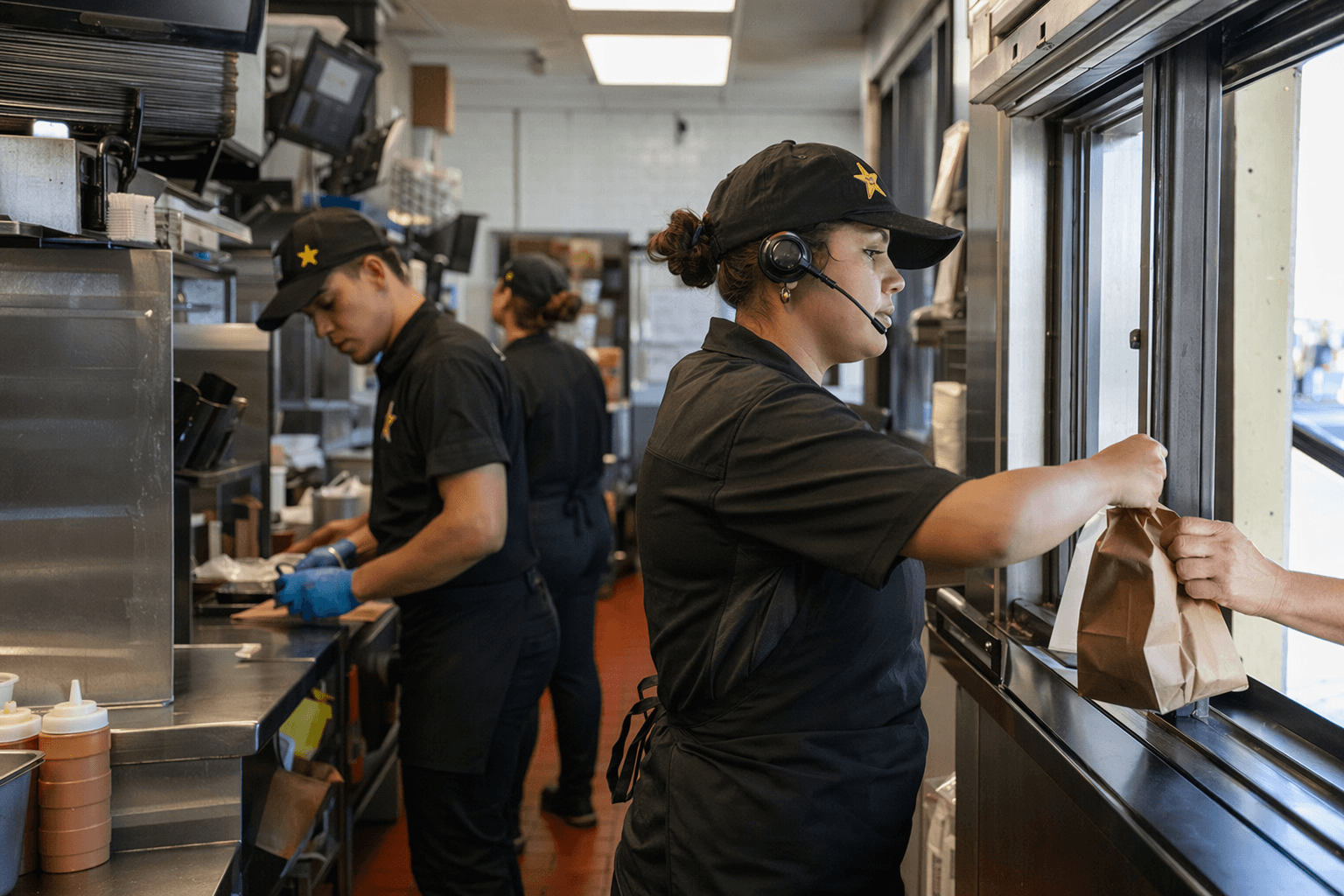
Carl's Jr. is turning into a live test of what happens when California makes fast-food labor more expensive while workers say the job has become harder to survive. On one side is payroll pressure, driven by the state’s $20 minimum wage for covered fast-food workers. On the other is a safety problem that goes well beyond scheduling and staffing, with employees in earlier North Hollywood coverage describing robberies, assaults, denied paid sick leave, and a lack of safety training.
That combination matters because it changes the labor story from a debate about pay alone into a question of whether the job is stable, safe, and worth staying in. For line workers, managers, and franchise operators, the strain lands in the same place, the store floor, where a labor-heavy concept depends on predictable staffing, low turnover, and enough trust to keep people showing up for the late shift.
How California rewrote the wage floor
California signed AB 1228 on September 28, 2023, and the law set a $20-an-hour minimum wage for covered fast-food workers starting April 1, 2024. It also created a Fast Food Council inside the California Department of Industrial Relations, with authority to consider future wage increases and working conditions, including health and safety standards.
That wage floor is now far above the state baseline. California’s general minimum wage is $16.90 an hour as of January 1, 2026, which means fast-food workers are operating under a separate, higher labor regime. Future Fast Food Council increases are capped at the lesser of 3.5% or the annual change in the Consumer Price Index for Urban Wage Earners and Clerical Workers, a structure meant to keep hikes predictable without letting them run away.
State officials framed the law as a worker-protection measure meant to deliver “fairer wages, safer and healthier working conditions, and better training.” That promise is now being tested against the reality of franchise economics, where every extra dollar in labor cost can ripple through hours, staffing, maintenance, and store-level decisions.
What workers say is happening inside the stores
The Los Angeles Times coverage at the center of this story portrays Carl's Jr. as battered not just by California’s cost of doing business, but by employee complaints that the workplace itself can feel unsafe. In the North Hollywood case referenced in earlier reporting, workers said they walked off the job after describing violence, robberies, assaults, denied paid sick leave, and inadequate safety training.
That is not just a headline about a walkout. It is a reminder that restaurant work breaks down fast when people think the company cannot or will not protect them. In full-service restaurants, workers argue about tip pools, tip theft, front-of-house and back-of-house equity, and whether menu pricing keeps pace with payroll. In fast food, where there is no tip cushion to absorb the shock, the fight is starker: the wage floor rises, the margin tightens, and any safety failure can push an already thin labor model into instability.
For workers, the practical consequence is often burnout. If a store is short-staffed because people quit, call out, or refuse unsafe shifts, the remaining crew absorbs the rush, the cleanup, and the closing duties. That is how one safety complaint becomes a payroll problem.
Why franchise finances matter now
The economic squeeze is no longer hypothetical. In April 2026, Restaurant Business reported that Sun Gir, a 59-unit Carl's Jr. franchisee in Southern California, filed for Chapter 11 bankruptcy and blamed its financial problems on California’s $20 fast-food wage and the brand’s own struggles. That filing matters because it gives the store-level story a balance-sheet backstop: when a big franchisee says the numbers do not work, operators across the system start rethinking hours, repairs, staffing, and, in some cases, whether a location stays open.
That is the pressure workers feel first. If operators cannot absorb higher labor costs, they usually try to make the store cheaper to run. That can mean leaner schedules, slower equipment fixes, tighter crew counts, and more pressure on the people left inside the building. In a business where turnover is already high, those choices can become self-defeating, because the more strained the shift, the harder it is to keep experienced staff.
Carl's Jr. is not the only chain dealing with that math, but it is one of the clearest examples of what the collision looks like when it happens at scale in California fast food.
The broader labor fight inside California fast food
The Fast Food Council was supposed to give workers a more formal voice on standards, and worker advocates have already pushed it to take on “wage theft,” harassment, discrimination, unsafe workplaces, and unstable scheduling. That list tells you how workers see the problem: safety and pay are not separate issues, they are part of the same working conditions package.
That broader framing is important because California’s fast-food experiment was never only about raising pay. It was also about whether a state can force an industry built on tight margins and high turnover to provide a more durable job. The theory was simple enough: better wages, stronger standards, better retention. The reality is more complicated, because higher pay does not automatically fix a store where people still feel exposed, overworked, or unsupported.
What the numbers say so far
The early evidence suggests the system is under strain. A National Bureau of Economic Research analysis found that California fast-food employment fell 2.7% relative to the rest of the country from September 2023 through September 2024, with an adjusted decline of 3.2%. That does not settle the policy debate by itself, but it does show that the fast-food labor market has already been reshaped since AB 1228 took effect.
For restaurant workers, the takeaway is practical. When wages rise faster than operators can adjust, the pressure does not vanish. It moves into the schedule, the staffing grid, the maintenance backlog, and the night shift. When safety complaints are layered on top, the result is a store that becomes harder to staff, harder to manage, and harder to keep stable.
Carl's Jr. now sits at that intersection. The chain is not just absorbing a wage increase, it is operating inside California’s broader test of whether higher labor standards can coexist with viable fast-food economics and basic frontline safety. If the answer turns out to be no, the fallout will not stay at one brand. It will show up in more shortened shifts, more closures, and more workers deciding that the job costs too much in return for too little protection.
Know something we missed? Have a correction or additional information?
Submit a Tip