Chicago restaurant workers seek abuse protections as retaliation fears grow
After Warlord and Noma, Chicago restaurant workers say abuse still goes unreported because chefs control shifts, references and pay, and retaliation fears keep people quiet.
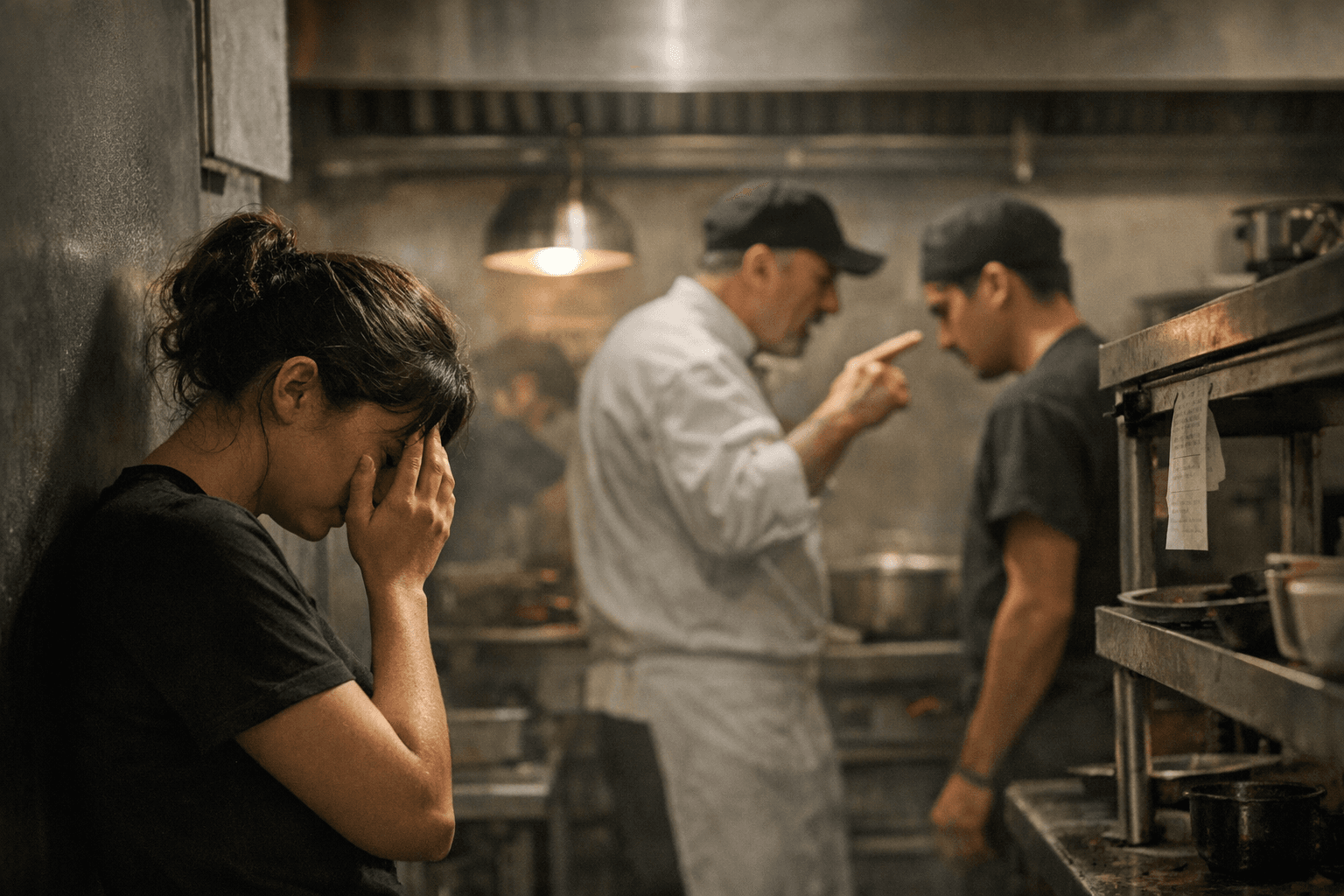
Abuse allegations at Warlord and Noma have reignited a harder question inside Chicago kitchens: what happens when the person workers would need to report to also controls their schedule, their references and, in many cases, their next paycheck?
Four Warlord workers contacted Survivors Know, which sent a letter to the restaurant’s owners asking them to address the allegations and repair workplace culture. The pressure came after February reporting said former Warlord chef Trevor Fleming had been accused of sharing sexual photos of women without consent and berating staffers for years, a pattern that suggested the problem was not a one-off incident but a workplace culture that had been allowed to harden.
For restaurant workers, that is exactly where the breakdown begins. Independent restaurants often run with few formal complaint systems, little human resources infrastructure and a chain of command built around chef-owners or a small management circle. In that setup, speaking up can feel like putting a target on your own back. A former Warlord worker said the fear of retaliation is “absolutely real” and that “sometimes the only path to safety is removing yourself from the harm.”
Groups like Survivors Know and the CHAAD Project are trying to fill that void. CHAAD, founded in June 2020, describes itself as a BIPOC- and queer-led advocacy and mutual aid organization rooted in Chicago, with a mission to transform hospitality into a worker-centered ecosystem that values equity, sustainability and care. The group says it offers workshops on de-escalation, labor rights, self-defense and mental health, along with free legal clinics with Grassroots Legal Organizing for Workers on wage theft, harassment and discrimination. Together with Survivors Know, it also helped develop Shift Change, a bilingual digital platform for Chicago hospitality workers to report wage theft, sexual harassment and toxic work environments.
The fight over tipped wages has become part of the same debate over power. Chicago alderpeople approved a gradual phase-out of the tipped subminimum wage in 2023, with the plan originally set to run through 2028. In March 2026, the City Council voted to freeze the scheduled increases, and Mayor Brandon Johnson said he would veto the freeze. At the same time, Chicago’s tipped minimum wage stood at $12.62 an hour, while the city’s minimum wage for employers with four or more employees was $16.60.
That gap matters on the restaurant floor, where tipped workers often depend on shifts, good sections and manager goodwill to make rent. The lesson from Warlord is not just that one chef was accused of abuse. It is that without stronger reporting systems, real worker protections and more accountability in small kitchens, outrage can flare and then fade while the people taking the hits are still trying to make it through service.
This article was produced by Prism’s automated news system from verified source data, official records, and press releases, then run through automated quality and moderation checks before publishing. The system is built and supervised by the people who set the standards it runs under. Read our full AI policy.
Did this article answer your question?