Chipotle expands drone pilot, new equipment aims to boost speed and hospitality
Chipotle’s drones and new kitchen equipment may shave minutes off orders, but workers will feel the real test on the line: faster flow, tighter pacing and more measurement.
At Chipotle, a faster fryer or a drone drop-off does not just change service times. It changes who is waiting, who is sprinting and who gets measured as the company pushes new tools meant to boost speed, hospitality and sales.
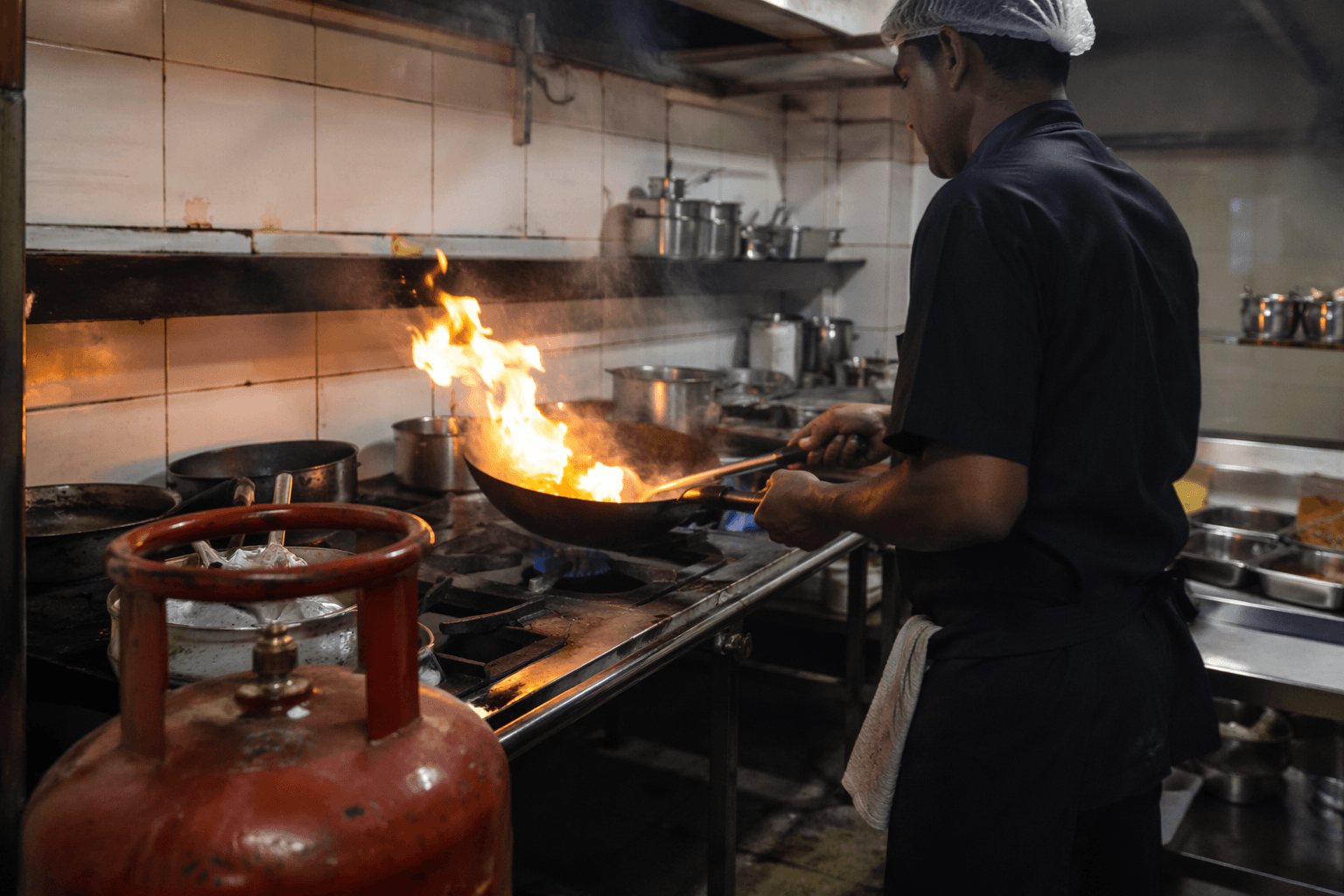
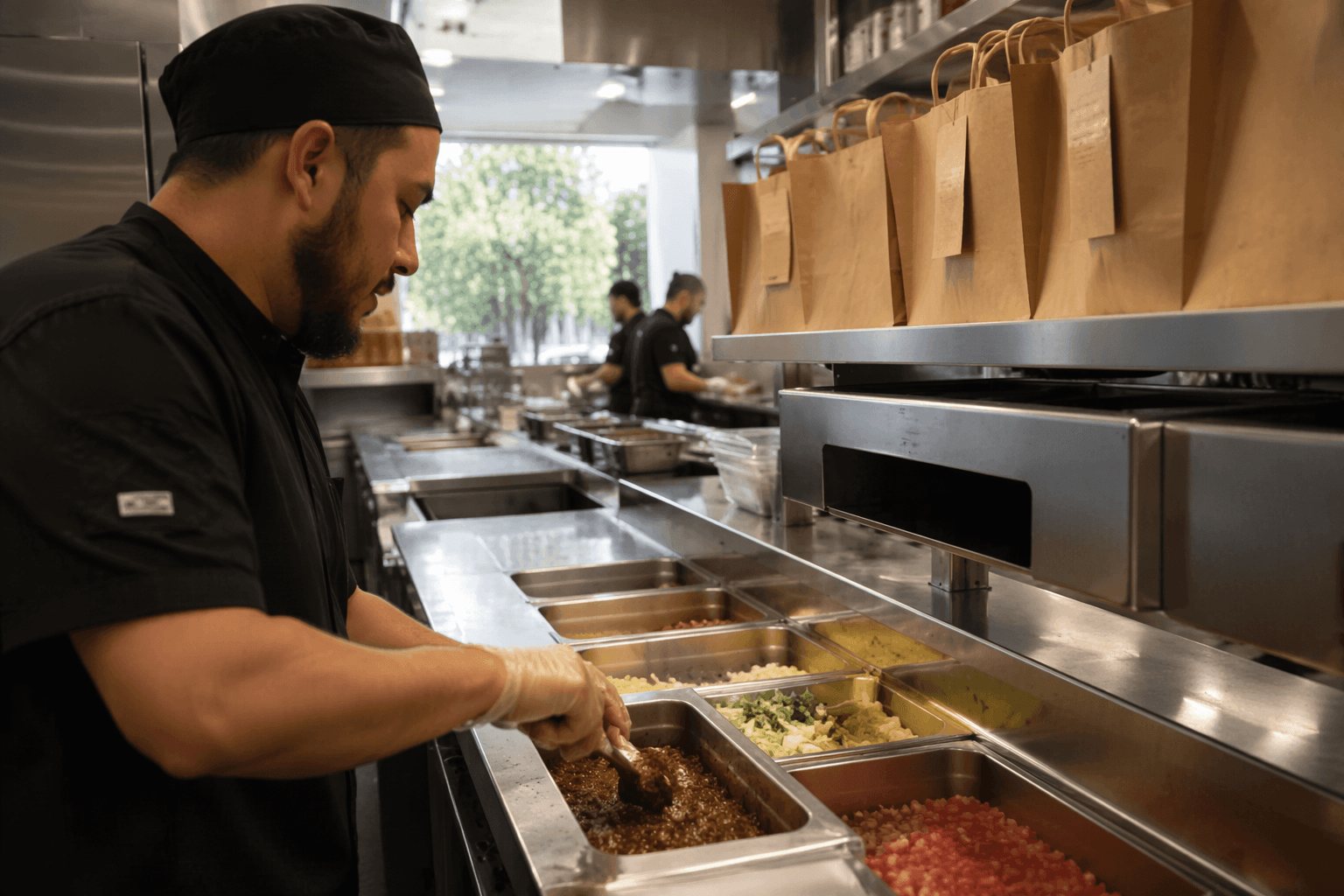
The chain said it was expanding a drone pilot and accelerating rollout of a high-efficiency equipment package across more stores. The hardware is built to move food faster and reduce friction in the kitchen, a pitch that sounds simple until it lands on the line. A Three-Pan Rice Cooker, Dual Sided Plancha, High-Capacity Fryer and Produce Slicer can help stores push more volume, cut cook times and streamline prep, especially when rushes hit and the expo line starts to back up. For cooks and managers, that can mean less repetitive strain and fewer bottlenecks. It can also mean every station is expected to keep up with a more exact tempo all shift long.
The business case is easy to see in Chipotle’s own numbers. Revenue rose 7.4% year over year to $3.1 billion in the first quarter of 2026, comparable restaurant sales increased 0.5%, and digital sales made up 38.6% of total food and beverage revenue. Labor costs climbed to 26.1% of revenue from 25.0% a year earlier, a reminder that even as the company leans on technology, payroll remains one of its biggest pressures. Chipotle opened 49 company-owned restaurants in the quarter, 42 of them with Chipotlanes, showing how much the brand still depends on throughput, pickup speed and moving orders in and out without clogging the dining room.
The drone side points to the same strategy. Chipotle launched Zipotle with Zipline on August 21, 2025, in greater Dallas, starting with a location at 3109 Lakeview Parkway in Rowlett, Texas. Orders are placed into a Zipping Point and then picked up by Zipline’s autonomous aircraft, which Chipotle said can deliver food in just a few minutes of flying time. The initial service ran seven days a week from noon to 8 p.m. Central time, with plans to extend to 10 p.m. The company said the system could reach places traditionally hard to serve, including backyards and public parks.
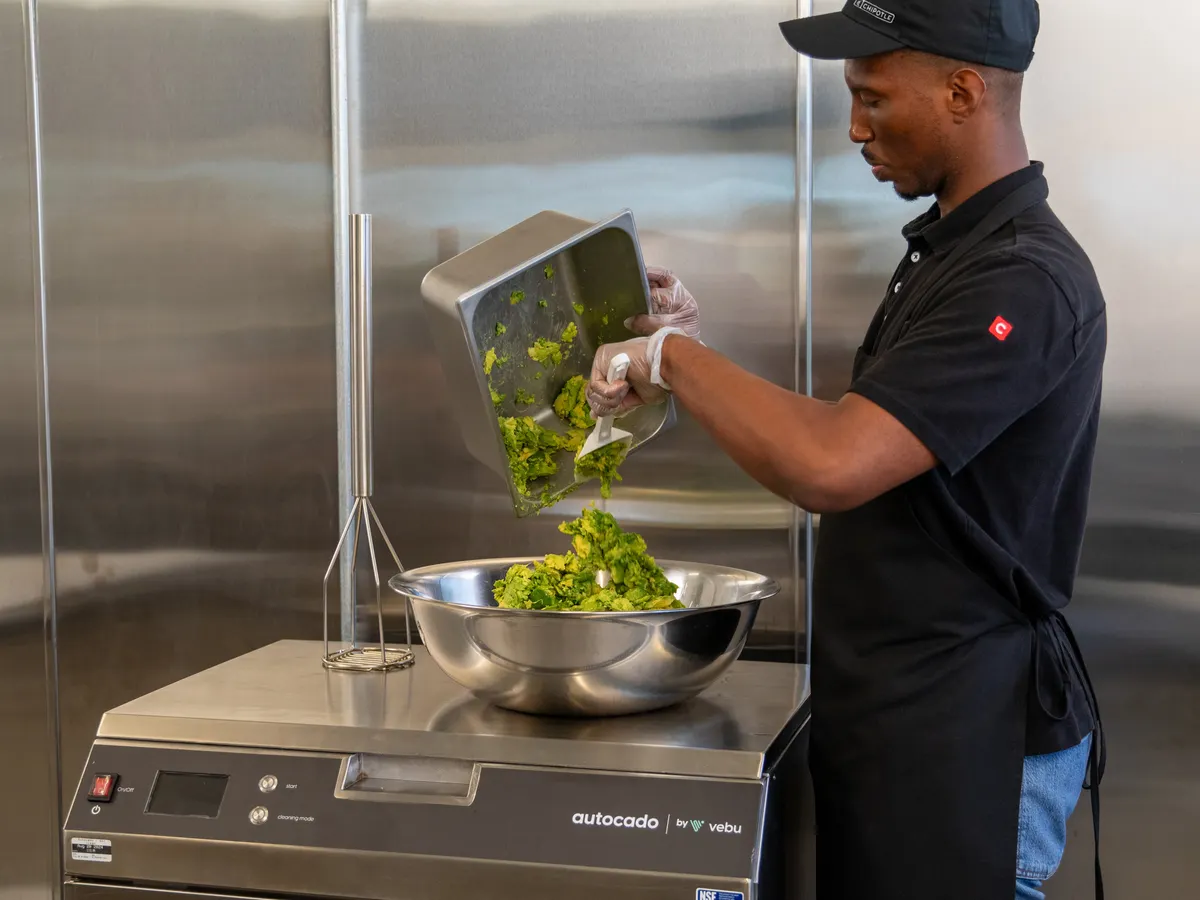
This is not Chipotle’s first pass at automation. In September 2024, it introduced Autocado and the Augmented Makeline and said the cobotic devices were being tested in restaurants for the first time. Chipotle said Autocado could flesh out an avocado in about 26 seconds on average and free crew members for other prep and hospitality work. The company also estimated its restaurants in the United States, Canada and Europe would use about 5.18 million cases of avocados that year, a scale that shows why even small gains at the prep table matter.
Taken together, the drone pilot and the equipment package suggest Chipotle is not just buying speed. It is redesigning how food is staged, how labor is organized and how closely the work on each station will be tracked. For restaurant workers, that tradeoff is the real story.
This article was produced by Prism’s automated news system from verified source data, official records, and press releases, then run through automated quality and moderation checks before publishing. The system is built and supervised by the people who set the standards it runs under. Read our full AI policy.
Did this article answer your question?