Commercial LPG prices surge again, restaurants warn of possible closures
A 19-kg LPG cylinder in Delhi jumped to 3,071.50, adding 993 to a small restaurant’s fuel bill and deepening fears of closures.
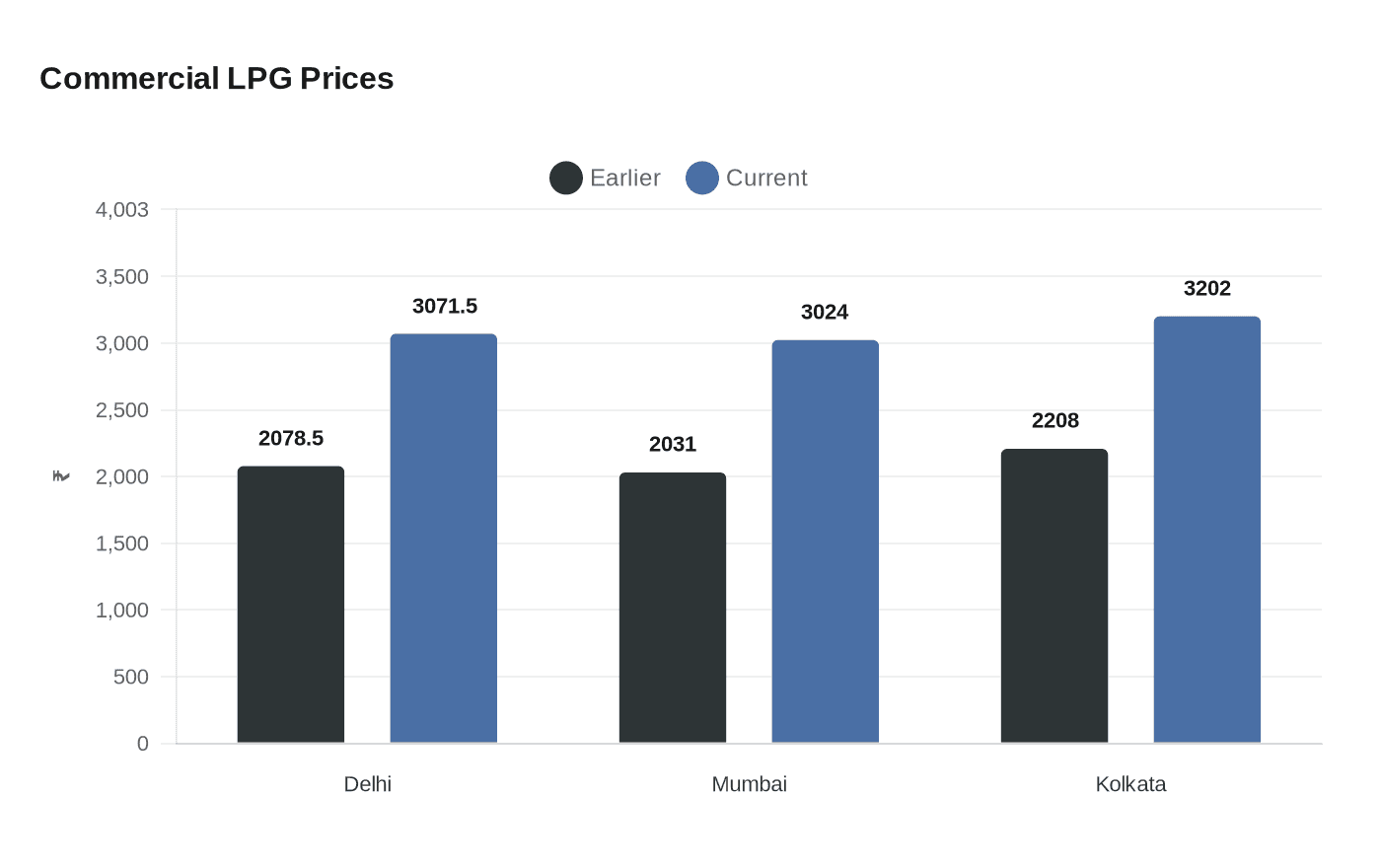
A neighborhood tandoor operator in Delhi that paid 2,078.50 for a 19-kg commercial LPG cylinder now has to pay 3,071.50 for the same refill. That 993 jump, effective May 1, hit the daily math of small restaurants and street-side eateries first, where one extra cylinder bill can mean higher menu prices, shorter hours, or a decision to shut the burners for good.
The increase was the third straight monthly hike in commercial LPG prices. Rates had already risen by 114.50 on March 1 and by 195.50 on April 1, taking the total increase over three months to 1,303. In other metros, the squeeze was just as sharp: Mumbai’s commercial cylinder price climbed to 3,024 from 2,031, while Kolkata’s rose to 3,202 from 2,208. Domestic 14.2-kg cylinders in Delhi stayed unchanged at 913, underscoring how sharply commercial kitchens are being singled out.
For restaurant owners, the fuel spike lands on top of an already fragile supply picture. India imports about 60% of its LPG needs, and the latest rise has been linked to the West Asia conflict and disruptions around the Strait of Hormuz, a key route for Gulf energy supplies. That has tightened commercial LPG availability even as household cylinders were left alone.
Restaurant groups had been warning for weeks that the problem was not just price, but supply. The National Restaurant Association of India, which says it represents over five lakh restaurants, wrote to Petroleum and Natural Gas Minister Hardeep Singh Puri on March 7, warning that any disruption in commercial LPG supply could lead to a “catastrophic closure of a majority of restaurants.” The Federation of Hotel and Restaurant Associations of India said it was seeing “widespread disruption at the ground level” and that several distributors were withholding supplies, citing a government order dated March 5.
That leaves operators with a familiar choice that workers know too well from every margin squeeze: pass costs onto diners, cut staff hours, or absorb the hit until cash runs out. With commercial LPG now climbing for the third month in a row, many small kitchens are already looking at pricier meals, more expensive food delivery, and the possibility that the next refill could be the one they cannot afford.
Know something we missed? Have a correction or additional information?
Submit a Tip