EEOC says restaurants must stop harassment from coworkers and customers
A crowded dining room does not excuse harassment. The EEOC says restaurants can be liable for abuse from coworkers, bosses, and even customers who cross the line.
What the EEOC expects in a restaurant
The EEOC treats harassment as a workplace problem, not a personal conflict workers are supposed to absorb and keep serving through. In restaurants, that matters because the people around you can include supervisors, coworkers, vendors, and customers, and the employer can still be on the hook if it knew, or should have known, what was happening and failed to act fast.
The agency’s message is blunt: prevention is the best tool. That means a real complaint process, training that people remember, and immediate corrective action when someone speaks up. Once a restaurant knows harassment is happening, it has a duty to correct it and protect the worker from more of it. Retaliation is also illegal, including punishment that shows up in the schedule, the section, the closing shifts, the hours, the pay, or the job itself.
The commission voted in January 2026 to rescind its 2024 Harassment Guidance, but said that rescinding it does not give employers any license to engage in unlawful harassment. The legal standard did not disappear because the paperwork changed.
What harassment looks like on a real shift
In a full dining room, harassment is easy to minimize in the moment. A server is balancing plates, a bartender is moving a line, a host is trying to turn tables, and a manager is already short-staffed. That is exactly why bad behavior gets brushed off with lines like “that’s just how that guest is” or “don’t make a scene.” But repeated comments, unwanted touching, sexual remarks, slurs, threats, or punishment after speaking up can all turn a shift into a hostile environment.
Some of the hardest calls are the ones that start small and then keep going. A customer who keeps commenting on someone’s body after being told to stop. A coworker who turns every pre-shift into a joke at one person’s expense. A supervisor who suddenly gives the worst sections, the weakest tips, or fewer hours after an employee complains. In a tipped job, the pressure to smile through it can be intense because one table can shape the night’s income.
A quick test helps when you are frozen in the moment: if the behavior would feel different in a closed office, but is tolerated because you are in a restaurant, that is not a reason to ignore it. It is often the reason to write it down.
- Save the exact words if you can.
- Write down the time, table number, station, shift, and who saw it.
- Keep texts, schedule changes, screenshots, and incident notes.
- Report it before the details blur into a “maybe I overreacted” memory.
That last point matters. Small teams change fast, managers rotate shifts, and verbal complaints disappear if nobody puts them in writing.
Why restaurants are especially vulnerable
The numbers help explain why this keeps showing up in restaurants. A Snagajob and Black Box survey found 62% of restaurant employees reported emotional abuse and disrespect from customers, and 49% said the same about managers. Another survey of nearly 1,700 restaurant workers in five states and Washington, D.C., found 41% reported a marked increase in sexual harassment from guests during COVID-19.
The pattern is not random. A 2021 study found more than 70% of female restaurant employees had been sexually harassed, and half said it happened weekly. Researchers and advocates have linked that risk to tipping, the “service with a smile” expectation, and the power imbalance built into a job where politeness can shape income. When a worker depends on customer approval for tips, it gets harder to push back in the moment, even when the behavior is clearly out of line.
That is why harassment in restaurants is bigger than one bad customer or one bad manager. The culture of the job can make workers feel like they are supposed to take it, laugh it off, and keep moving.
When to report, and who needs to know
If the person harassing you is a coworker, report it through the restaurant’s complaint process as soon as you can. If the direct supervisor is the problem, go up the chain. If there is no HR department, go to the general manager, owner, or another manager with authority to act, and put the complaint in writing.
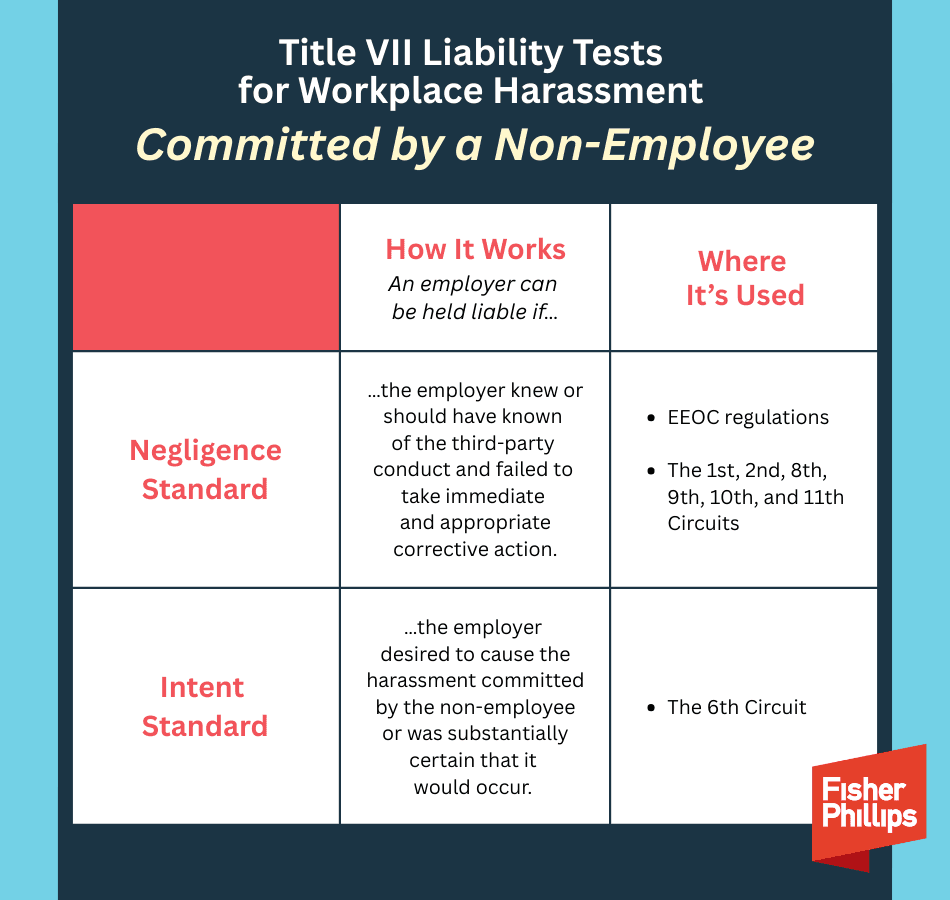
For customer harassment, don’t wait for the next shift to decide whether it was serious enough. If the customer keeps going after a warning, if the conduct is sexual, threatening, or physically invasive, or if you are being singled out because of sex, race, religion, national origin, age, disability, or another protected characteristic, management needs to know immediately. The EEOC says employers can be liable for non-employee harassment when they knew or should have known about it and failed to take prompt and appropriate corrective action.
The practical question is not just whether someone crossed a line. It is whether the restaurant has a record of the line being crossed and chose to do something about it.
What a good response from management looks like
Restaurant managers do not need perfect language first. They need speed, credibility, and follow-through. Workers should know exactly where to report, who will investigate, and what protection they have from retaliation. If someone complains and then suddenly gets cut from the Saturday night close, moved out of the money section, or pushed onto worse shifts, that can look like punishment, not protection.
The EEOC has kept bringing restaurant cases that show how expensive denial can become. In 2023, the agency settled a Chili’s case for $75,000 and required changes meant to prevent and respond to complaints. In 2025, it announced a $45,000 settlement involving Wall Street Grill in Manhattan. Later that year, it announced a $1.2 million settlement involving Nevada Restaurant Services. Other cases have involved Taco Bell franchisees, Swami’s Café, and Honey’s Bistro, including matters involving teens and young workers.
Those cases are not just legal headlines. They are a warning that ignoring harassment can drain cash, drive turnover, and push good workers out the door. In a business already dealing with staffing shortages, burnout, and high turnover, losing people because they do not feel protected is a self-inflicted wound.
The line that matters on the floor
A restaurant does not have to eliminate every rude guest or every ugly moment. But it does have to stop harassment once it knows about it, and it cannot punish the worker for reporting it. For servers, bartenders, hosts, line cooks, and kitchen managers, the safest move is the least glamorous one: write it down, report it quickly, and make the restaurant answer for the behavior instead of asking the worker to absorb it.
This article was produced by Prism’s automated news system from verified source data, official records, and press releases, then run through automated quality and moderation checks before publishing. The system is built and supervised by the people who set the standards it runs under. Read our full AI policy.
Did this article answer your question?