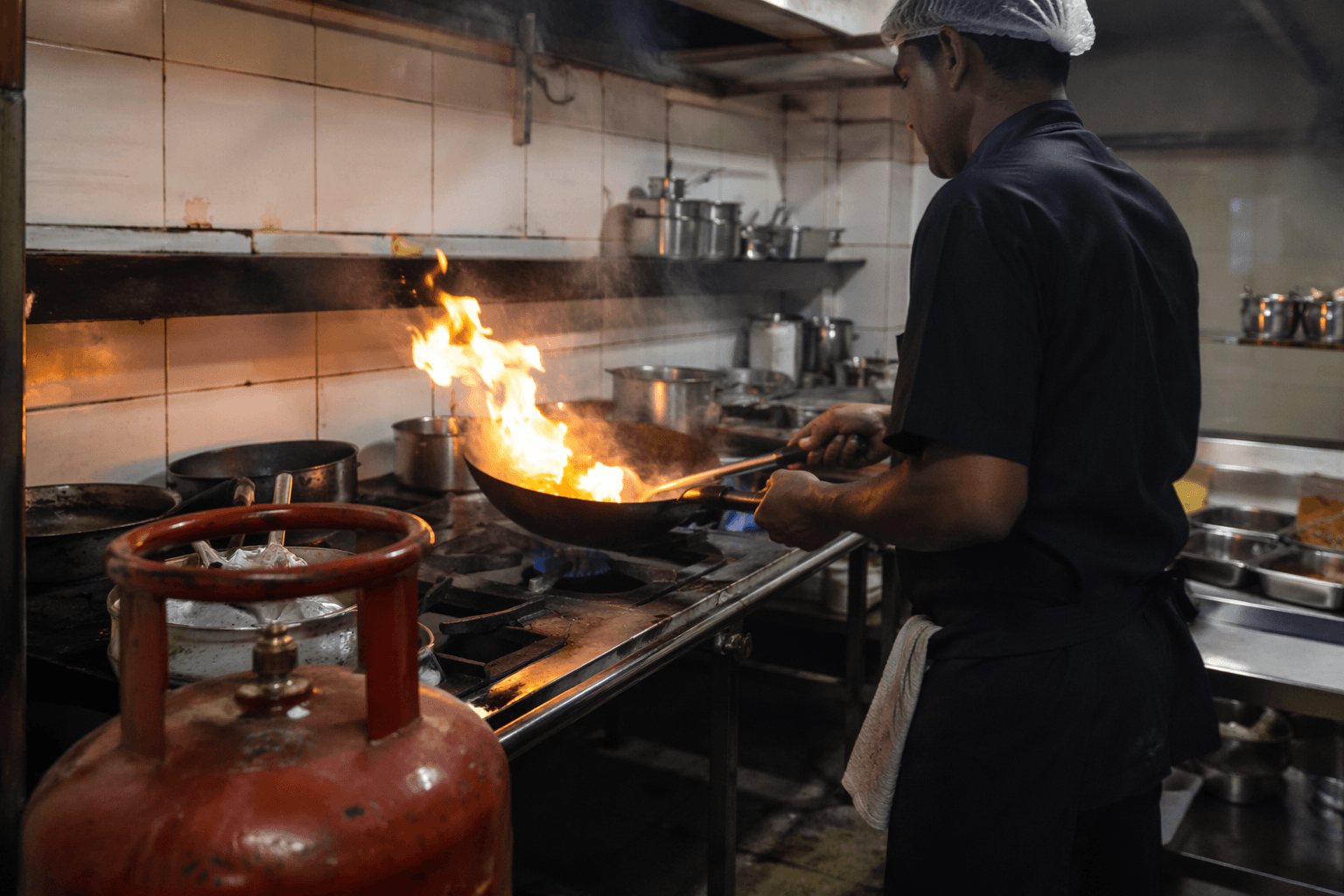
Fast-casual sales growth slows in 2025, raising labor pressure
Fast-casual sales still rose, but the slowdown to 6% from roughly 9% suggests operators may trim hours, hiring and promotions before they cut menu ambition.

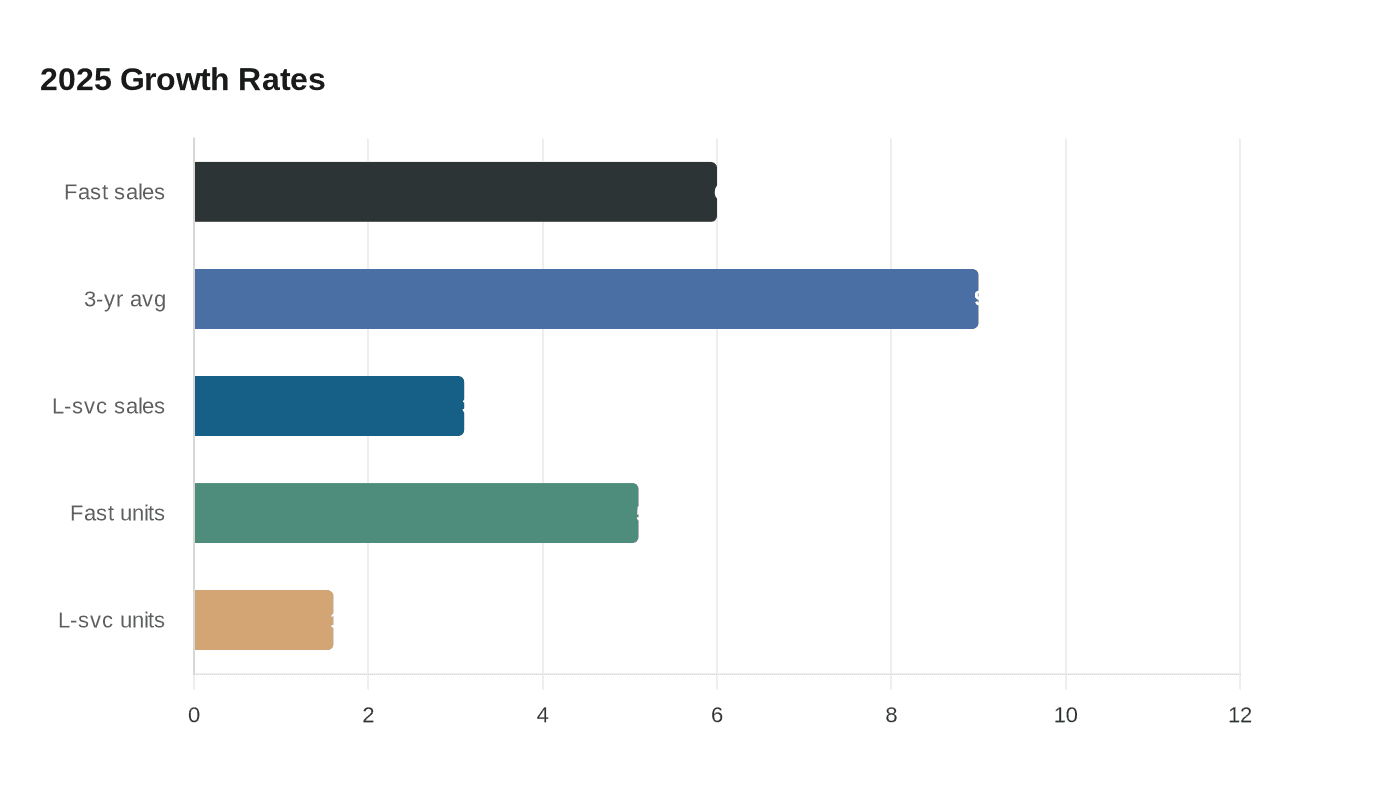
The warning sign for crews is not that fast-casual stopped growing. It is that growth cooled enough to make labor a sharper line item. Sales at the biggest fast-casual chains rose 6% in 2025 to nearly $77 billion, down from about 9% average growth over the previous three years. That kind of slowdown usually lands first on the floor: tighter schedules, slower hiring, fewer training hours and more pressure on each shift to do the work of a fuller one.
The wider limited-service market showed the same pattern. Sales rose 3.1% to $361.5 billion, while unit growth eased to 1.6% from 1.9% the year before. Fast-casual still added stores, with unit growth of 5.1%, but the mix was uneven. Shake Shack grew domestic sales by more than 15% and ended the year with 420 domestic units. Jersey Mike’s grew sales by more than 12% and increased its unit count 8% to 3,227. Wingstop added 382 net restaurants, lifting its unit count 17% to 2,586. Cava grew sales 22%. At the same time, Panera Bread’s sales fell nearly 3% even with 1% unit growth, and Sweetgreen’s sales rose just 0.4% despite a 14% increase in units.
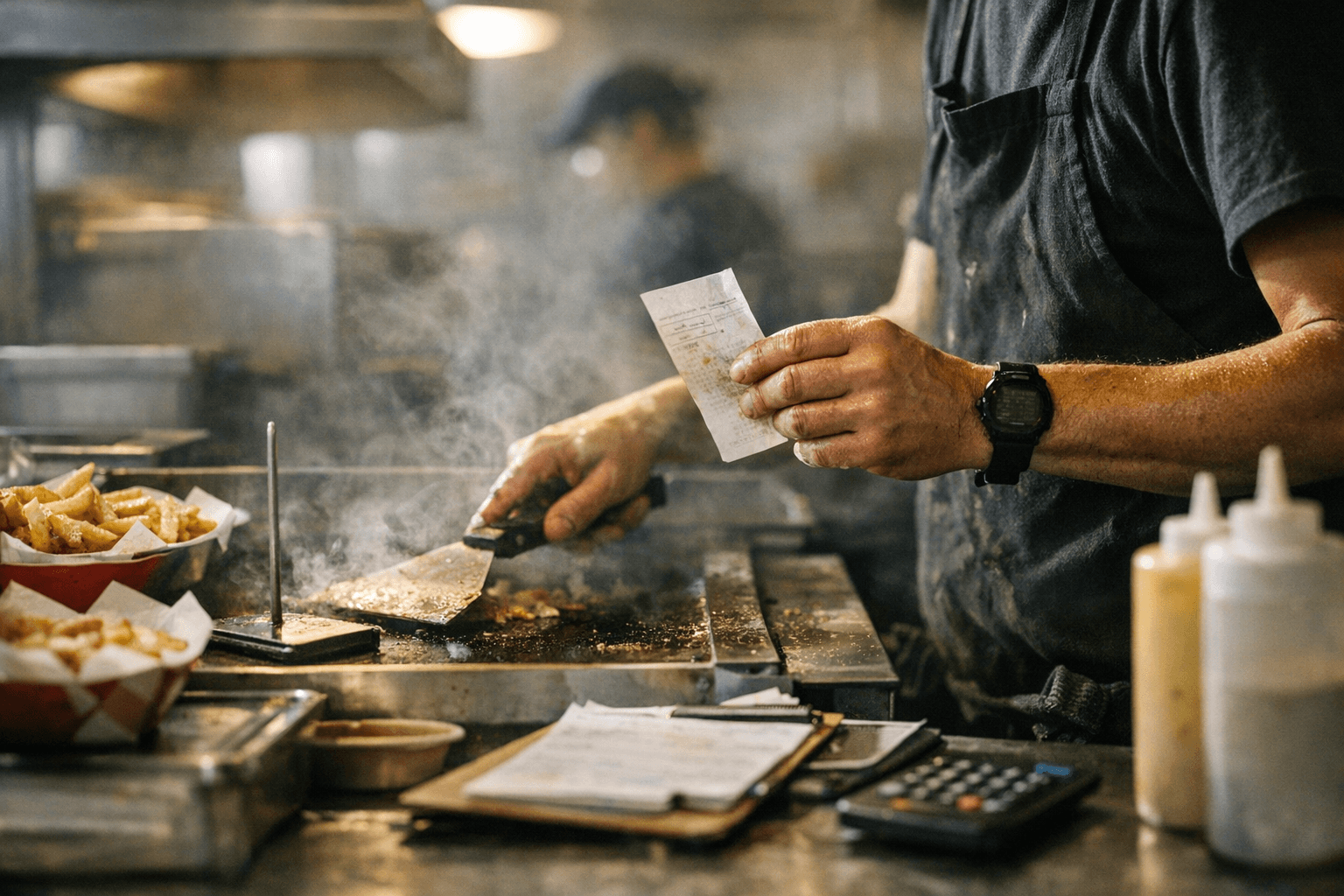
That split matters for workers because the brands with the strongest traffic can still hire, cross-train and hand out more shifts, while slower brands often lean harder on the same crew. A weaker sales environment can mean fewer overtime hours, more station-juggling and a thinner path to promotion for shift leaders and hourly managers. Technomic’s Top 500 report put total chain sales growth at 3% in 2025, below 3.8% menu-price inflation, a sign that many operators were trying to protect margins in a more selective consumer market.
Labor costs leave even less room. The National Restaurant Association said wages and benefits accounted for a median 31.7% of sales at limited-service restaurants in 2024, well above the roughly 28% average seen in earlier editions of its data. Restaurant365 found 89% of operators faced rising staff expenses in 2025, 65% responded by operating below full capacity, and 19% limited operating hours. Square also said average tips at food and beverage businesses slipped from 15.17% in the first quarter of 2025 to 14.99% in the second, a small drop that still hits take-home pay for tipped staff.
For line cooks, servers, hosts and managers, the slowdown does not read like Wall Street trivia. It shows up in the schedule book, the training calendar and the number of people standing on the line at rush.
This article was produced by Prism’s automated news system from verified source data, official records, and press releases, then run through automated quality and moderation checks before publishing. The system is built and supervised by the people who set the standards it runs under. Read our full AI policy.
Did this article answer your question?