Fat Brands franchisees seek damages over alleged missteps, overcharges
Franchisees say Fat Brands’ bankruptcy left them with overcharged ingredients, failed trademark plans and millions in losses, while store teams brace for cuts.
Franchisees inside Fat Brands’ bankruptcy are turning the company’s collapse into a fight over who pays for the damage, and the answer could land on the stores. Operators of several concepts are claiming tens of millions of dollars in losses over alleged misused advertising funds, overcharges for cookie supplies and other brand-level missteps that now sit in bankruptcy court.
Fat Brands filed voluntary Chapter 11 cases on Jan. 26, 2026, in the U.S. Bankruptcy Court for the Southern District of Texas, with Judge Alfredo R. Perez presiding in Houston. The filing covered FAT Brands Inc., Twin Hospitality Group Inc. and their subsidiaries. The company said the case was meant to deleverage its balance sheet and support continued operations, even as it disclosed debt of more than $1.4 billion. Fat Brands, which operates 18 concepts at more than 2,200 locations worldwide, was delisted from Nasdaq on Feb. 4 after the filing.
The franchisee claims show how quickly a corporate financing problem can become a store-level headache. Great American Cookies operators say they were overcharged for ingredients. Another dispute centers on a France expansion tied to Fatburger and Buffalo’s Cafe, where a franchisee says it was told to stop using the Buffalo’s name after discovering the trademark had not been properly registered. That mistake, the franchisee says, left it out $10 million in expenses and reputational harm.
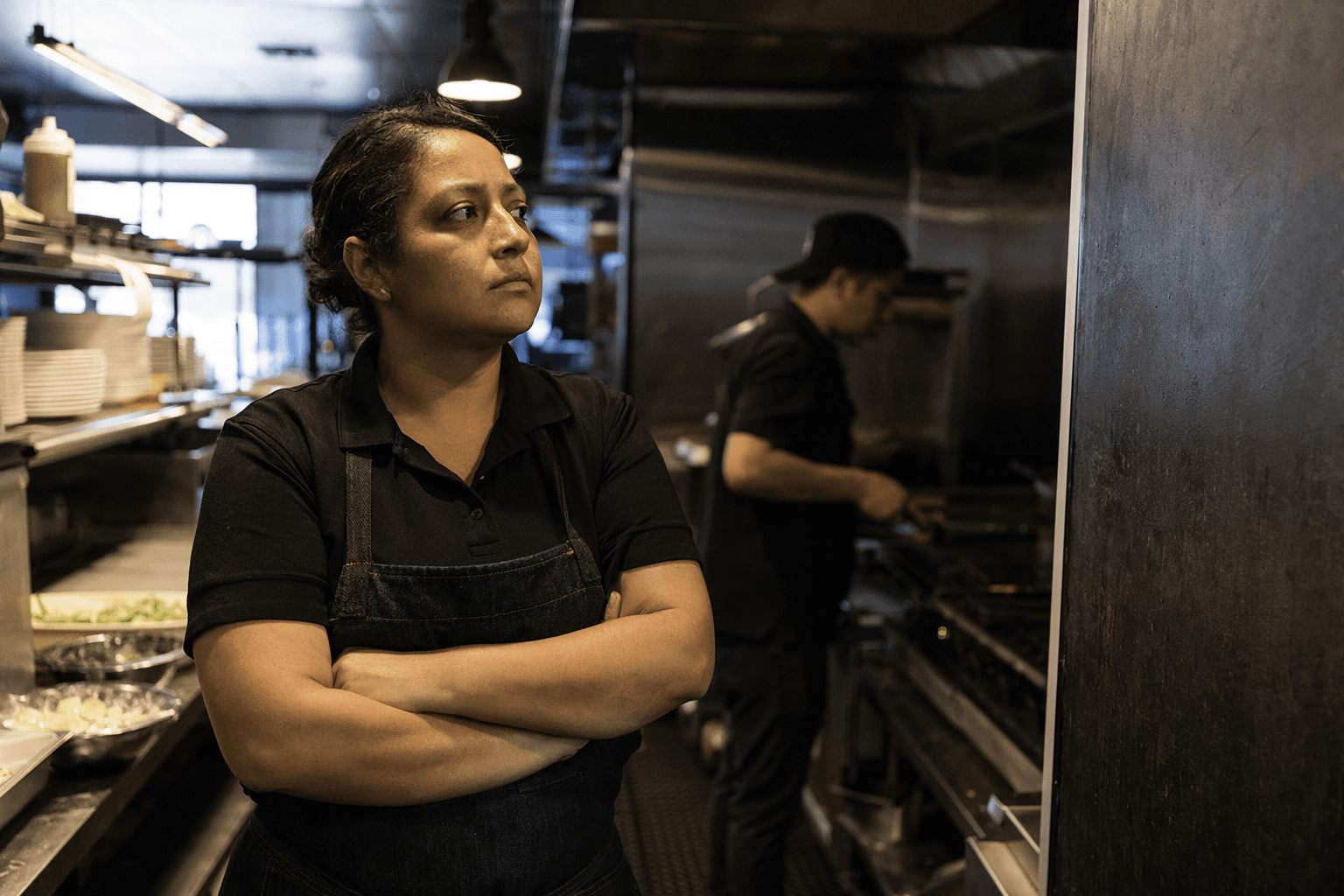
For workers, those kinds of fights usually show up far from the courtroom and fast on the floor. Marketing support can shrink when franchisors and franchisees start clawing at each other over funds. Training budgets get squeezed, equipment replacement gets pushed back and managers are left trying to cover labor with less certainty about traffic, menu changes and vendor orders. If a franchisee is trying to preserve cash, the first pressure point is often hours, followed by staffing levels and the small operational investments that keep a restaurant running smoothly.
The unrest inside Fat Brands has been building for months. Round Table Pizza franchisees said marketing support collapsed after a missed payment to a marketing consultant in March 2025, while Hurricane Grill & Wings franchisees sued over alleged raiding of the marketing fund and sales declines. Creditors are also challenging about $195 million in claims in the sale process, and the trustee on the company’s securitization financing demanded full payment on nearly $1.3 billion in loans.
That financial structure is part of why the fallout is so messy. Fat Brands was formed in 2017 when Fatburger bought Ponderosa and Bonanza, then went on to buy Johnny Rockets, Fazoli’s, Twin Peaks and Global Franchise Group in about $900 million of deals in 2020 and 2021. The company used whole-business securitization financing, tying debt to brand-level cash flows and leaving a maze of legal entities behind. In April, a bankruptcy court approved $1.9 million in bonuses for 114 workers needed through the sale process, a sign that even the people keeping the lights on are now part of the restructuring math.
This article was produced by Prism’s automated news system from verified source data, official records, and press releases, then run through automated quality and moderation checks before publishing. The system is built and supervised by the people who set the standards it runs under. Read our full AI policy.
Did this article answer your question?