Pizza Hut franchisee sues over Dragontail rollout, claims $100 million losses
A Pizza Hut franchisee says a mandatory AI kitchen rollout disrupted 111 stores and wiped out more than $100 million, turning a speed tool into a floor-level headache.
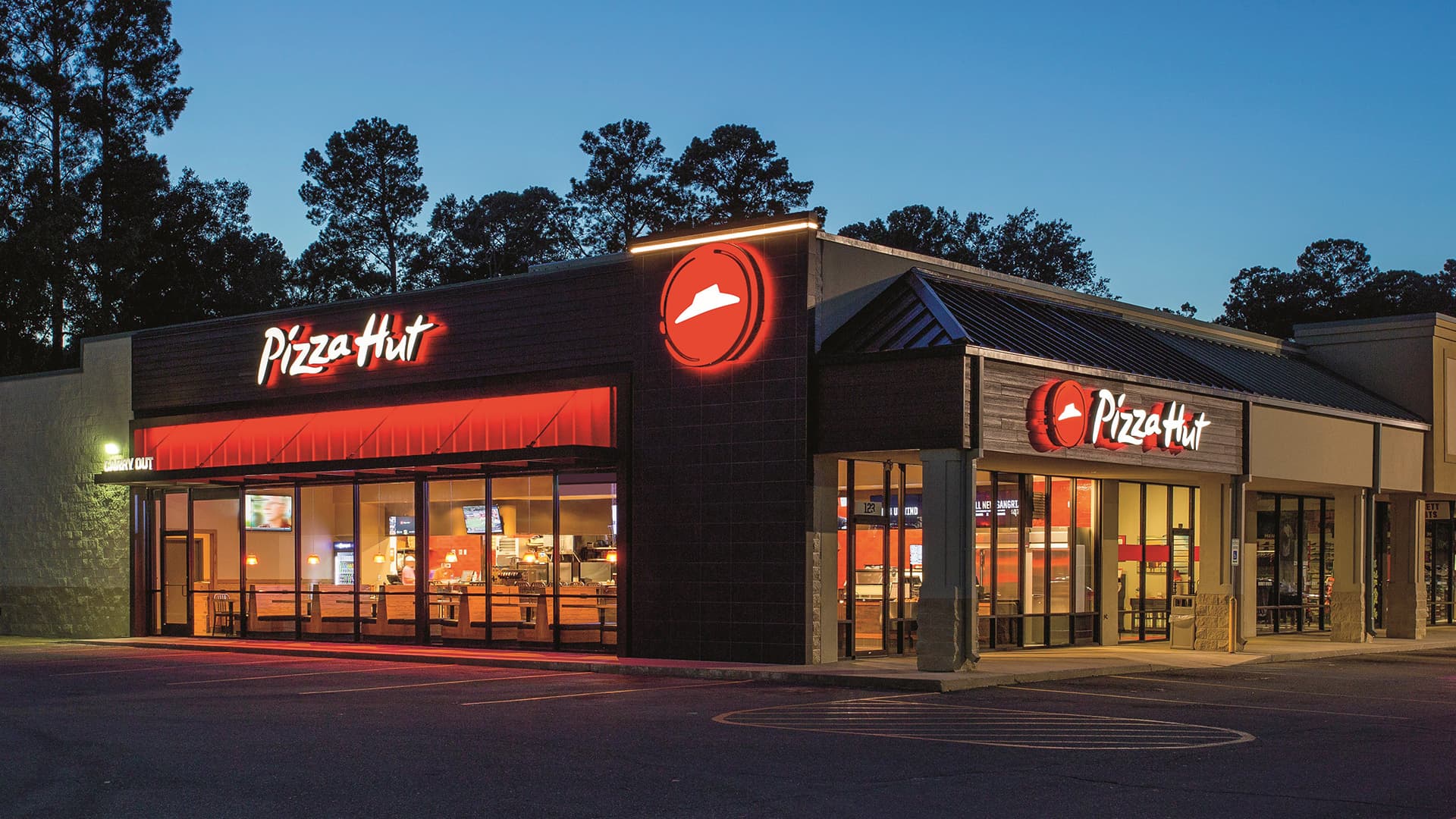
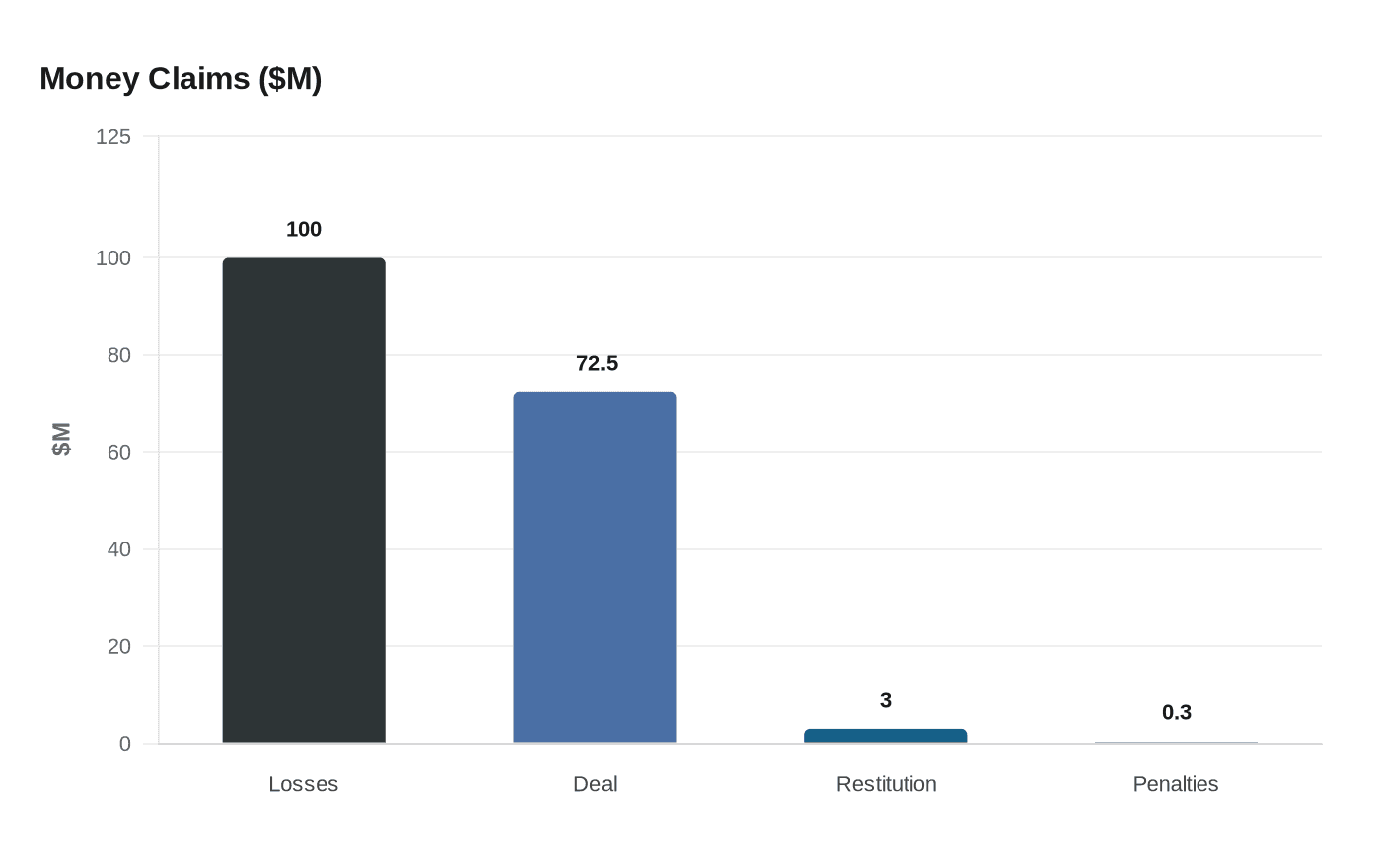
A major Pizza Hut franchisee says a technology rollout built to speed up kitchens did the opposite, disrupting operations across 111 locations and costing more than $100 million. Chaac Pizza Northeast, which runs stores in New York, New Jersey, Maryland, Washington, D.C., and Pennsylvania, filed suit in the Business Court of Texas First Division and says the mandatory Dragontail system damaged revenue, profits, enterprise value, and Pizza Hut’s ability to meet its delivery-time standards.
The case goes to a basic fight inside franchise systems: who absorbs the pain when a brand imposes technology from the top down. Chaac says the software did not just create inconvenience. In its telling, the rollout changed how orders were routed, when pies were fired, how make-lines were sequenced, and how dispatch worked, all of it landing on the people on the line and in the driver pool when the ticket rush hit. For cooks, expediters, delivery drivers, and shift leads, that can mean more manual workarounds, more customer complaints, and more time spent fixing the system than serving food.

Yum Brands entered a binding agreement to acquire Dragontail Systems Limited in 2021 and said the tool was already in use in nearly 1,500 Pizza Hut locations in 10 countries. Yum said the $72.5 million deal would help optimize food preparation from order through delivery, including automating kitchen flow and dispatching delivery drivers. That promise now sits in direct conflict with Chaac’s allegation that the system made restaurants slower, less efficient, and less profitable.
The dispute lands in a new Texas forum designed for complex commercial fights. The Texas Business Court is a specialized trial court for business disputes, and the Texas Judicial Branch says it has 11 divisions, with five currently operational. Chaac’s filing could matter well beyond Pizza Hut. If one franchisee can pin major losses on a forced tech rollout, other operators may take a harder line on software that is sold as efficiency but arrives with retraining costs, workflow changes, and pressure on already thin labor schedules.
Chaac is not a stranger to labor trouble either. In 2025, Chaac Pizza Northeast agreed to pay nearly $3 million in restitution to more than 1,900 workers from 21 New York City locations, along with nearly $300,000 in civil penalties and costs, over Fair Workweek violations. That history gives the new lawsuit extra weight for workers who have seen how corporate decisions, from scheduling rules to kitchen software, can land as more stress on the floor and less control over the shift.
This article was produced by Prism’s automated news system from verified source data, official records, and press releases, then run through automated quality and moderation checks before publishing. The system is built and supervised by the people who set the standards it runs under. Read our full AI policy.
Did this article answer your question?