FAT Brands splits up in bankruptcy sale, Twin Peaks and others sold separately
FAT Brands is being sold piece by piece, with Twin Peaks, Hot Dog on a Stick and Elevation Burger heading to different buyers and an $8 million trust chasing claims.
For cooks, servers and managers inside FAT Brands restaurants, the real story is not the courtroom jargon. It is whether schedules hold, vendors keep delivering and district-level decisions stay stable while the company is split apart brand by brand.
FAT Brands filed voluntary Chapter 11 petitions on Jan. 26, 2026, in the U.S. Bankruptcy Court for the Southern District of Texas, saying the move was meant to bolster its capital structure and deleverage the balance sheet. By late May, the restructuring had turned into four separate transactions after an April 27 auction and mid-May sale orders and revised asset purchase agreements. A Texas bankruptcy court approved the sales, leaving Twin Peaks, Hot Dog on a Stick, Elevation Burger and the rest of the portfolio on different tracks instead of under one parent.
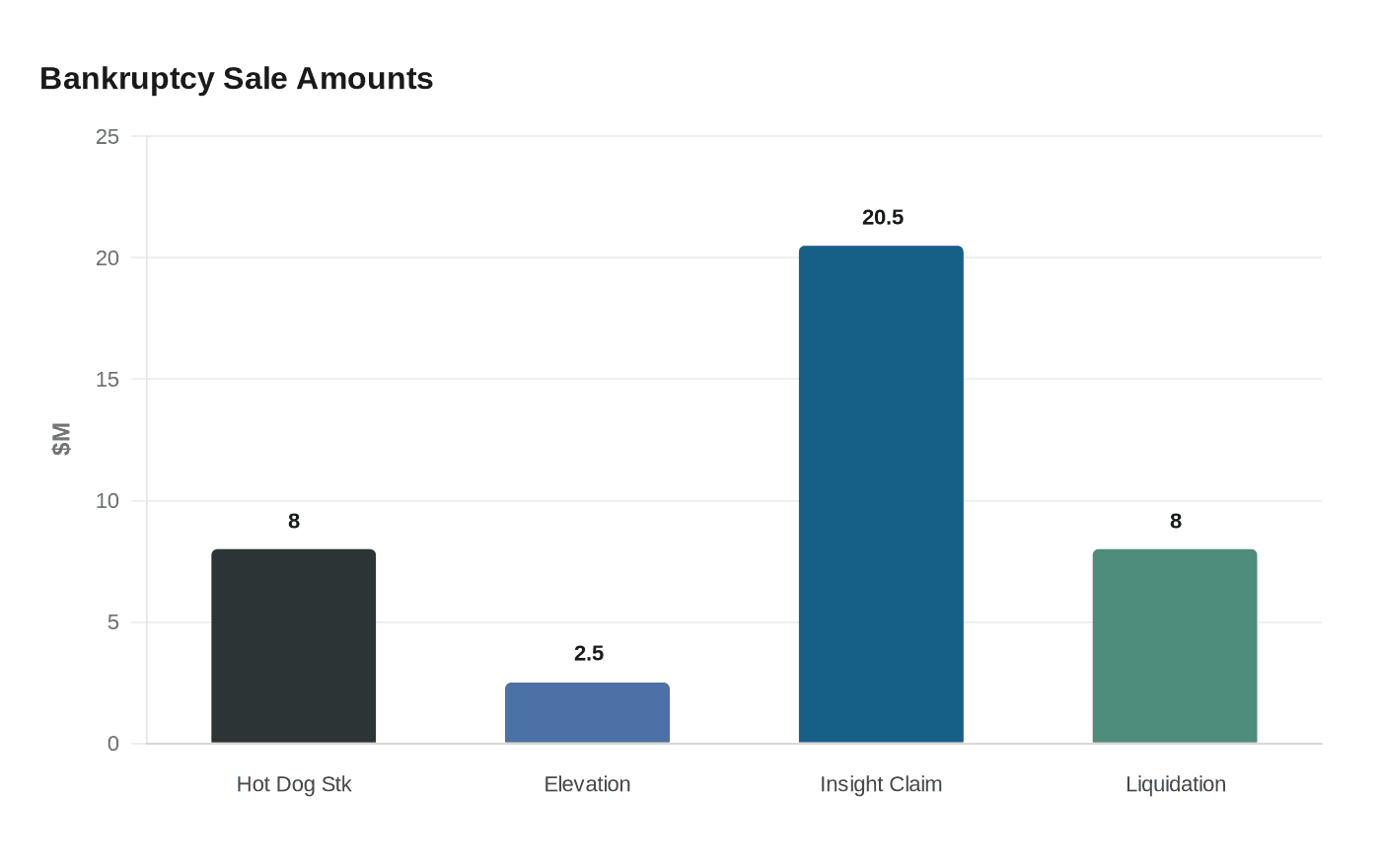
The biggest practical change for workers is who controls each brand now. Twin Peaks was reported to be sold to TWNPKS Bid Co. through a credit bid, which means a creditor-backed buyer was able to use debt rather than fresh cash to take control. Hot Dog on a Stick was sold to Amazing Brands, LLC for $8 million plus liabilities, and Elevation Burger went to Kuwait-based TABCo International Food Catering K.S.C.C. for $2.5 million plus liabilities. In a sign of how contested the process was, lienholder Insight Capital objected to the Hot Dog on a Stick deal, saying the bid did not cover the roughly $20.5 million it claims it is owed.
That kind of split sale can change the work life at store level fast. New owners often review labor costs, trim management layers, renegotiate supplier contracts and decide which underperforming locations are worth keeping open. One report said Smokey Bones, which FAT Brands bought in 2023, closed all of its locations during the restructuring, a reminder that the most vulnerable units are often the ones where hourly workers lose shifts first.
FAT Brands also set up a liquidation trust with $8 million to pursue possible claims against former managers, adding another layer of uncertainty around how much cash is left to support the system after the sales close. For employees, that matters as much as the headline numbers: who pays on time, whether benefits continue and whether a store survives long enough to transfer into new ownership.
The pressure on restaurant operators is not just financial. At the National Restaurant Association Show, Texas Restaurant Association CEO Emily Williams Knight argued that immigration reform is an economic issue, not a partisan one, because labor shortages, deportation pressure and higher food costs all hit restaurants at the same time. The National Restaurant Association’s 2026 outlook projects $1.55 trillion in sales and more than 100,000 new jobs, while Technomic data cited in trade coverage shows limited-time offer launches jumped from 16,187 in 2019 to 41,707 in 2025 and are projected to reach just under 43,000 in 2026. For restaurant workers, the lesson is plain: unstable ownership, a thin labor pipeline and constant menu churn are no longer separate problems. They land on the floor together.
This article was produced by Prism’s automated news system from verified source data, official records, and press releases, then run through automated quality and moderation checks before publishing. The system is built and supervised by the people who set the standards it runs under. Read our full AI policy.
Know something we missed? Have a correction or additional information?
Submit a Tip