FDA allergy guidance underscores critical restaurant risks from cross-contact
A mistaken allergy call can turn a routine ticket into an emergency room visit. The FDA’s guidance shows the risk lives in order taking, line communication, cross-contact and handoff.
A routine slip can become an emergency fast
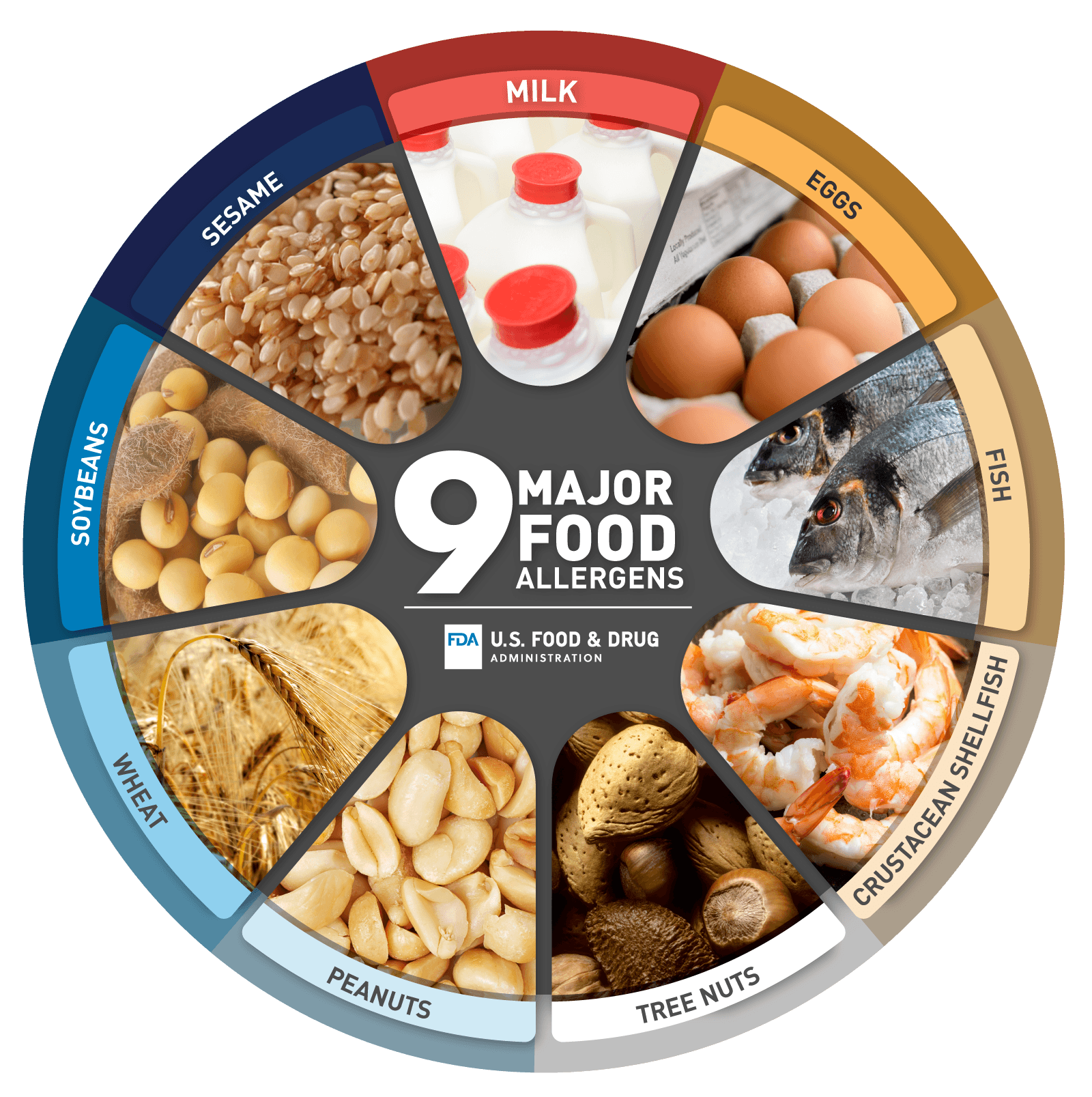
An allergy mistake is not a minor service problem. In a restaurant, a wrong ingredient, a shared spoon, or a careless handoff can send a guest from the dining room to the hospital, and in the worst cases it can trigger anaphylaxis with breathing problems and shock. The FDA’s food allergy guidance makes the stakes plain: the major allergens are milk, eggs, fish, crustacean shellfish, tree nuts, peanuts, wheat, soybeans and sesame, and the agency says food allergies and other hypersensitivities affect millions of Americans and their families.
That matters on every shift because the guest who says “I’m allergic” is not asking for a small accommodation. They are asking the line, the host stand, the expo station and the server station to work as one system. A casual guess about ingredients, or a half-remembered recipe, is exactly how a routine dinner turns into a health crisis.
Where allergy failures actually happen
The failure point is rarely just the ingredient itself. It is usually the chain of small decisions that starts at order taking and ends at the pass. A server may hear an allergy note and fail to repeat it clearly. A host may answer a menu question from memory instead of confirming with the kitchen. A line cook may treat the ticket as just another modification and keep moving. Then the food reaches the guest with the right menu name but the wrong level of control.
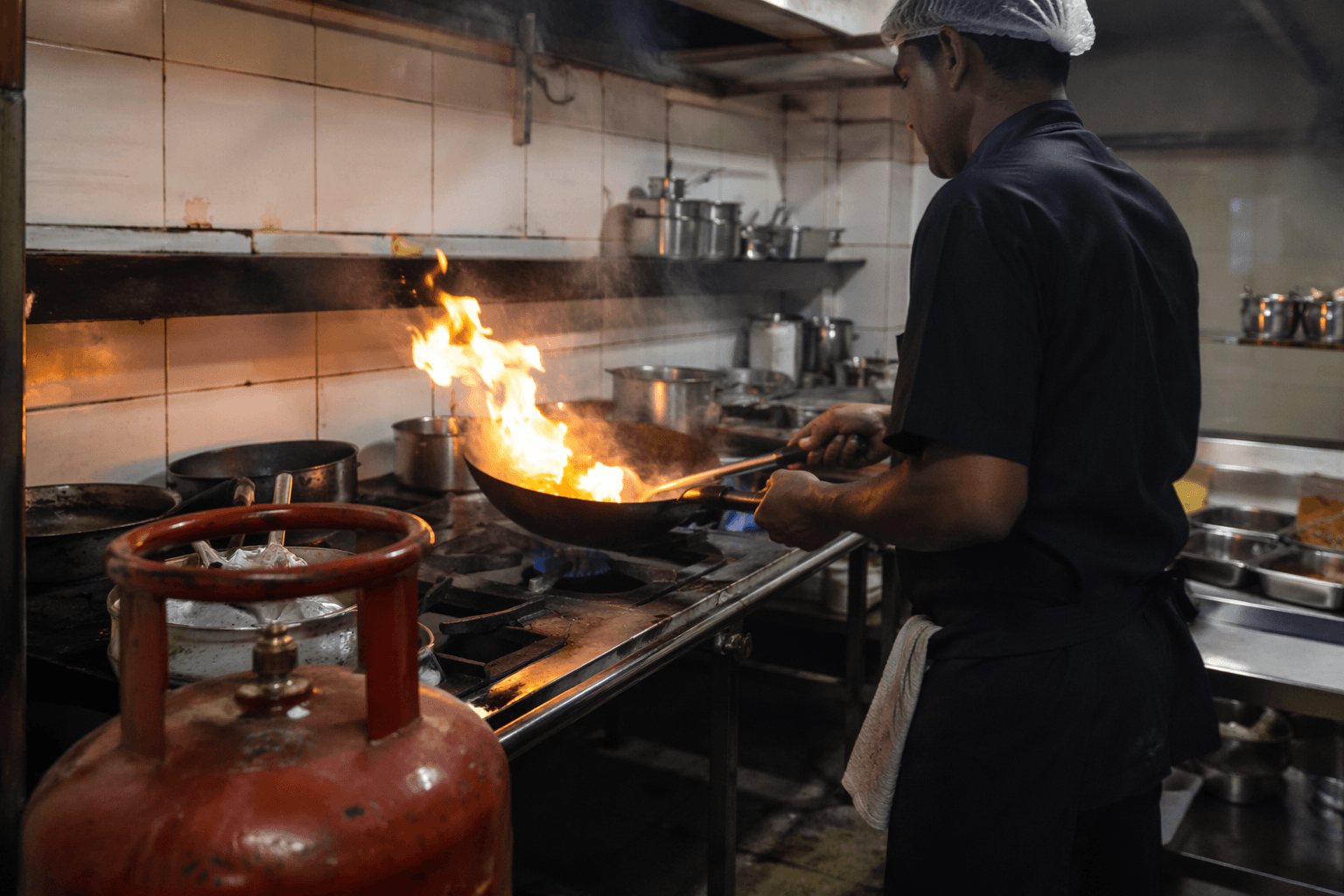
Cross-contact is the other hidden hazard, and it is the one restaurant teams miss most often. The FDA warns that inadvertent cross-contact can happen when tools, surfaces or fryers are shared. That means the danger is not only whether the dish contains the allergen as a listed ingredient, but whether a spatula touched it, a prep board carried residue, or a fryer had breaded items in it earlier in the shift. For a busy restaurant, that is the difference between “we took the note” and “we actually protected the guest.”
What the numbers say about the risk
This is not a niche concern. The CDC reported in January 2026 that about 3 in 10 U.S. adults and children had at least one allergy in 2024, which helps explain why allergy conversations show up so often in dining rooms across the country. Earlier CDC reporting also found that nearly half of reported fatal food-allergy reactions over a 13-year period came from restaurants or other food service establishments.
The broader burden is large enough to shape how every front-of-house and back-of-house team should work. Federal estimates cited by CDC researchers put food allergies at about 30,000 emergency department visits and 150 to 200 deaths a year in the United States. In other words, this is not a theoretical liability issue or a menu-note annoyance. It is a public health issue that sits directly inside restaurant operations.
Why training gaps still matter in 2026
The uncomfortable part is that many restaurants still do not train enough people well enough. CDC research in 278 restaurants found that fewer than half of staff members had received food allergy training. In that study, 44.4% of managers, 40.8% of food workers and 33.3% of servers reported training, which means the people who are most likely to hear the allergy note, build the plate, or run food were often the least prepared.
The same CDC work found a familiar split between paper and practice. Many restaurants had ingredient lists for at least some menu items, but few had separate equipment or areas set aside for allergen-free food preparation. That gap is where a lot of restaurants get into trouble: the menu may look organized, but the actual workflow is still shared knives, shared pans, shared fryers and rushed communication. A binder at the host stand does not prevent a cross-contact event if the line has not been drilled on what to do next.
What the rules and guidance are really saying
The FDA’s food allergy page is not written only for restaurants, but its message is highly relevant to them. The agency says it provides guidance to the food industry, consumers and other stakeholders on how to assess and manage allergen hazards, and it also inspects and samples products to check for proper labeling and cross-contact controls. For restaurants, the practical takeaway is simple: know the menu, confirm the ingredients, and never rely on guesswork when someone says a dish needs to be safe.
The FDA’s 2022 Food Code gives managers an especially useful framework. The code was originally issued on December 28, 2022, and the most recent version date is January 18, 2023. In that update, the Person in Charge allergen knowledge language was revised from eight major food allergens to nine, reflecting the addition of sesame as the 9th major U.S. food allergen in 2023. That change matters because it is a reminder that allergen knowledge is not static, and managers need to keep their training current as the list of major allergens evolves.
What managers should drill into every shift
The fix is not a one-time memo. It is a repeatable shift habit. Food Allergy Research & Education recommends staff training, menu transparency and inviting customers to disclose food allergies, and those ideas work best when they become part of service rhythm instead of a side conversation. Managers should build allergy handling into pre-shift huddles, expo checks and ticket language so the whole team hears the same standard every time.
A strong restaurant allergy system should include:
- Clear order confirmation. Repeat the allergy back to the guest and to the kitchen in plain language, with no shorthand that could be misunderstood.
- Ingredient verification. If a server or host is not sure, stop and check rather than assume.
- Cross-contact controls. Use separate equipment and areas for allergy meals when feasible, or thoroughly clean and sanitize surfaces and equipment before preparing the dish.
- Dedicated communication. Mark the ticket, alert the line, and make sure the handoff matches the request.
- Final check at the pass. The person running food should know exactly which plate is the allergy meal before it leaves the kitchen.
That last step matters because the guest usually cannot see what happened in prep. They only know whether the restaurant treated the request like a safety issue or just another modification. In a business already stretched by staffing shortages, burnout and high turnover, allergy discipline is one of the clearest signs of whether a kitchen is organized enough to protect both guests and its own crew.
This article was produced by Prism’s automated news system from verified source data, official records, and press releases, then run through automated quality and moderation checks before publishing. The system is built and supervised by the people who set the standards it runs under. Read our full AI policy.
Did this article answer your question?