FDA Food Code Sets Restaurant Safety Standards Behind The Scenes
The Food Code is why a missing label, a warm cooler, or a sick cook can turn into an inspection problem fast. It quietly sets the standards behind handwashing, allergens, and every safe shift.
What the Food Code really does on the restaurant floor
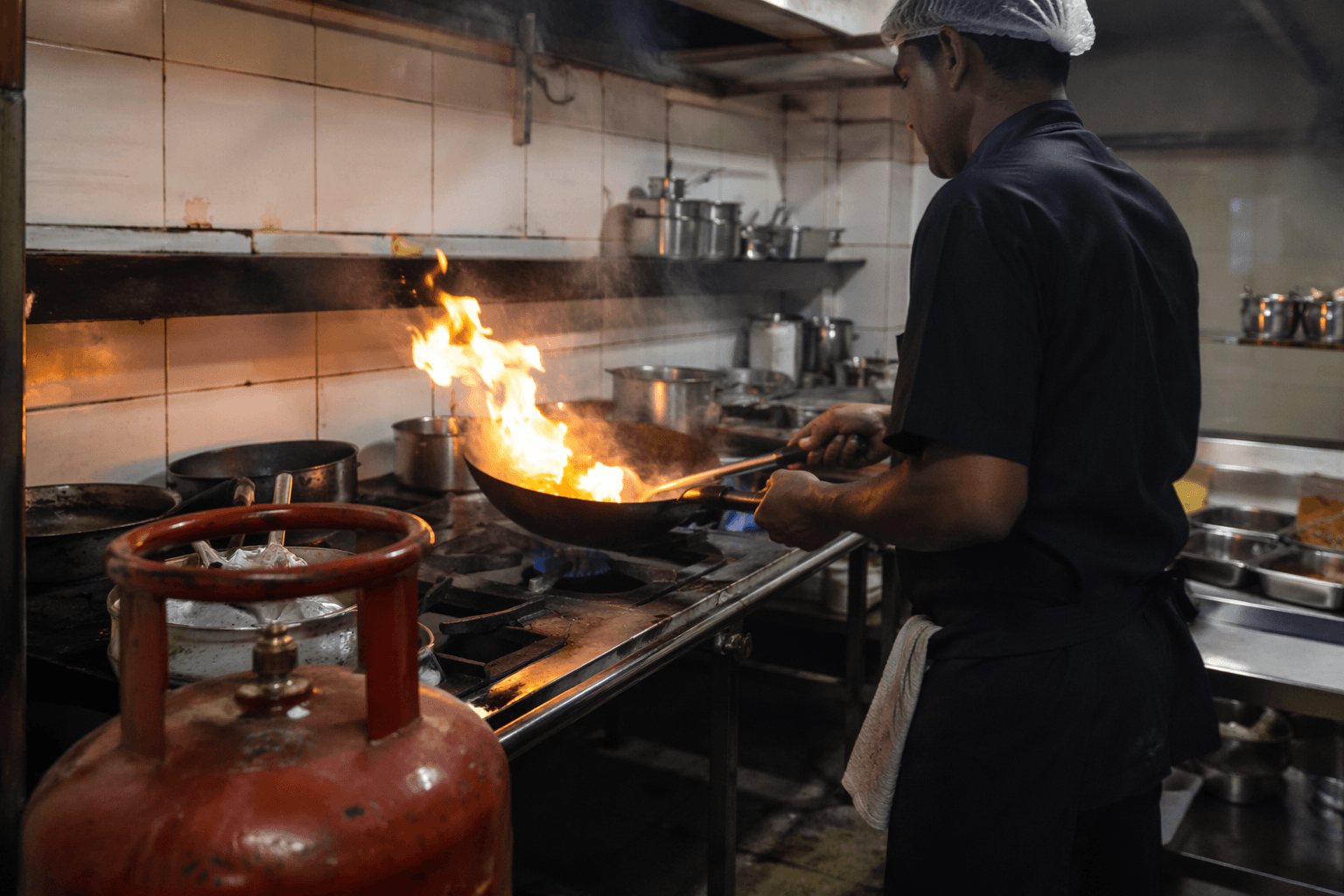
A line cook can fire a perfect ticket and still lose the room if one cooler runs warm, one prep pan is out too long, or one worker comes in sick and pushes through the rush. That is where the FDA Food Code shows up, not as a binder on a shelf, but as the rulebook behind the shift. It shapes the standards for temperature control, sanitation, date marking, employee hygiene, allergen handling, food defense, and the routines that decide whether service stays safe or starts sliding toward trouble.
The U.S. Food and Drug Administration calls the Food Code its “best advice” for a system of provisions covering the safety and protection of food offered at retail and in food service. It is the scientifically sound technical and legal basis that helps jurisdictions regulate restaurants, grocery stores, and institutions such as nursing homes. In practice, that means the code is not just guidance for managers who like paperwork. It is the model many regulators use to decide what safe looks like in a kitchen, a service line, a salad station, or a dish area.
Why workers feel it even when they never read it
Most servers, prep cooks, bartenders, dish staff, and hosts do not sit down and study the Food Code. They still live under it every shift. When a manager insists on better cooling, tighter date labels, stricter handwashing, or glove changes between tasks, those demands usually flow from the same logic that drives health inspections and local food codes. The rules can feel annoying in the heat of service, but they are built around one basic idea: small lapses spread fast in a restaurant.
That is why the code reaches beyond the back of the house. It affects how food is held during service, how stations are sanitized, how allergens are handled when a guest warns about sesame or another major allergen, and how managers train staff to respond when a worker is ill. FDA’s retail food protection resources also center employee health and personal hygiene, which is a reminder that food safety is not only about equipment or recipes. It is about behavior, timing, and discipline in a workplace where everyone is moving fast.
For managers, the Food Code is a way to standardize training and lower inspection risk. For workers, it explains why a missing label or a skipped handwash can become a serious issue so quickly. In restaurants, food safety is not separate from the job. It is the job.
The national model behind local rules
The Food Code is used by local, state, tribal, and federal regulators to build or update food safety rules. FDA says it is the model for retail food regulations in all 50 states, the District of Columbia, and other territories. That matters because a restaurant worker can change cities or states and still run into the same core expectations: keep food at safe temperatures, protect it from contamination, keep sick employees off food, and document the systems that make those practices repeatable.
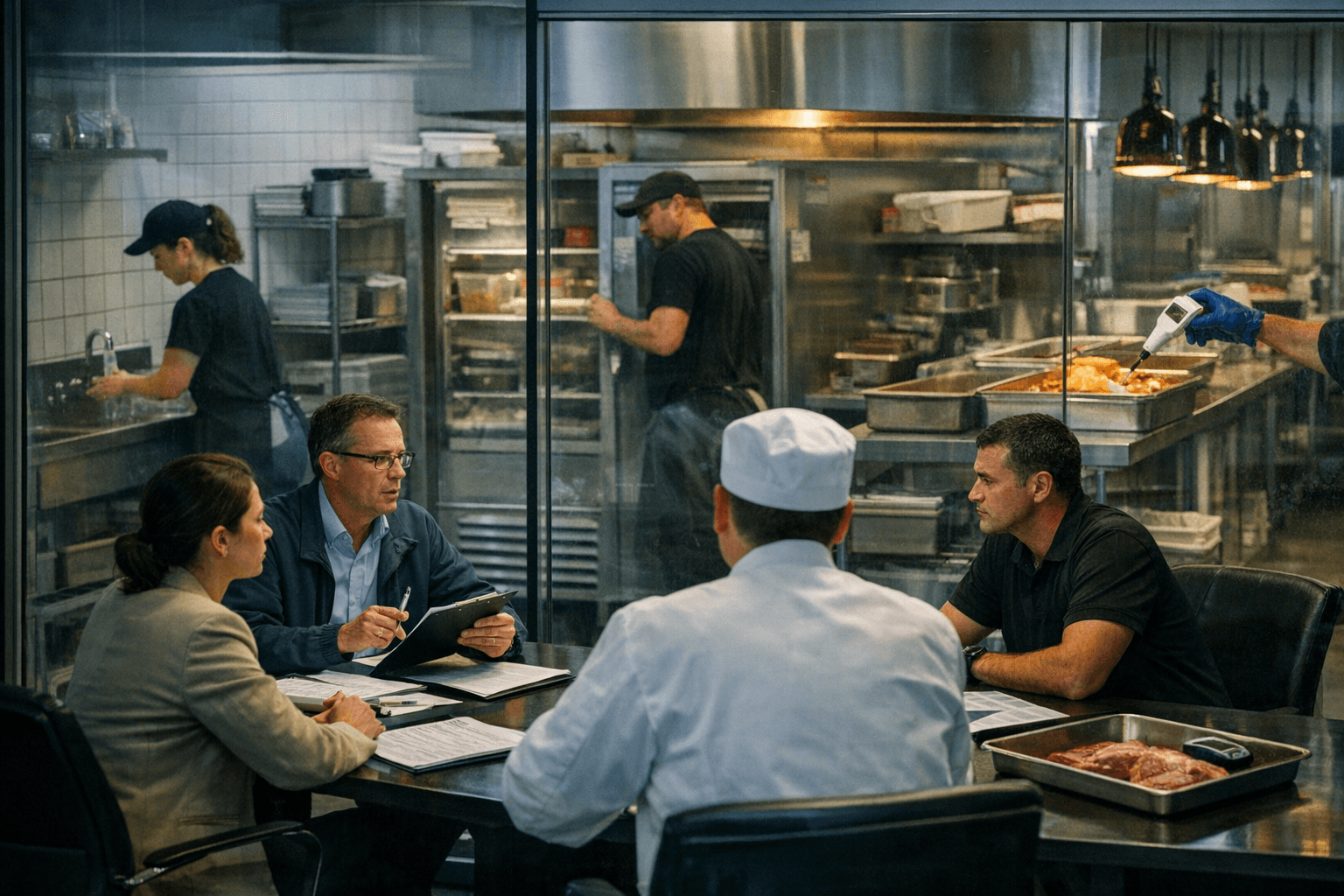
FDA’s adoption report says the National Retail Food Team monitors state and territorial adoption, and that the effort is a federal, state, and local partnership aimed at preventing and reducing foodborne illness in retail and foodservice establishments. The Conference for Food Protection is part of that machinery too. It brings together government, industry, academia, and consumers to identify food safety problems and shape recommendations that feed into the code. That is one reason the Food Code carries weight on the floor. It is not a random memo from corporate. It is a negotiated standard that inspectors, operators, and regulators use as common language.
How the schedule changed, and why that matters now
The Food Code has been around for decades, but its release rhythm has shifted over time. FDA says it was issued every two years between 1993 and 2001. The 2005 Food Code was the first full edition on a four-year schedule. Later, the pandemic delayed the Conference for Food Protection meeting, and FDA adjusted the release cycle so the Food Code would follow the year after the conference meets.
The 2022 Food Code was originally posted on December 28, 2022. FDA said it remained the most recent full edition as of December 31, 2023, and the next complete revision is slated for 2026. That timeline matters to restaurant managers because the code is not frozen in place. Each new edition can shift what gets taught, what gets inspected, and what the kitchen has to prove in real time.
FDA’s 2024 supplement shows that the system keeps moving. Published on November 4, 2024, it updated the 2022 Food Code with recommendations from regulatory officials, industry, academia, and consumers. FDA describes the Food Code and supplement as joint work with the Centers for Disease Control and Prevention and the U.S. Department of Agriculture Food Safety and Inspection Service. For operators, that means the standards behind service continue to evolve, even when the menu does not.
Where the biggest daily pressure points show up
Some of the most visible changes and obligations hit the parts of the job that already create conflict. FDA says sesame became the ninth major food allergen starting January 1, 2023, and the 2022 Food Code added requirements affecting unpackaged foods, bulk self-dispensed foods, employee training, and written notification to consumers in jurisdictions that adopt the 2022 code. That touches menu communication, deli cases, self-serve bins, and the way staff answer allergy questions on a busy Friday night.
The 2022 Food Code and the 2024 supplement also include new or clarified provisions on food safety management systems, active managerial control, disinfection of food-contact and nonfood-contact surfaces, reuse and refilling of containers, food defense awareness, and testing requirements for reinstated food employees diagnosed with STEC, Shigella, or nontyphoidal Salmonella. In restaurant terms, that means more pressure on managers to document what they are doing, not just to say they care. It also means line-level habits, from wiping down the right surface to refusing a rushed return-to-work, can carry more weight than employees realize.
Sick workers, handwashing, and the policies that actually stop outbreaks
FDA’s employee health and personal hygiene handbook makes the logic even clearer. The agency says the handbook is meant to encourage practices and behaviors that help prevent food employees from spreading viruses and bacteria to food. It highlights Salmonella and norovirus, includes the “Big 6” pathogens, and covers what to do after vomiting or diarrheal contamination events. It also addresses what happens to ready-to-eat food that may have been contaminated by an excluded or restricted employee.
That is the part restaurant workers usually feel first. It affects whether a bartender is sent home after reporting symptoms, whether a prep cook is allowed to handle ready-to-eat food, whether a dishwasher understands why glove changes matter, and whether a manager can keep a skeleton crew operating without cutting corners. In a business shaped by staffing shortages, burnout, and high turnover, the Food Code can feel like one more demand. In reality, it is the reason one bad shift does not become an outbreak, an inspection failure, or a lost week of sales.
The code sits behind the scenes, but its consequences are visible in every dining room and every kitchen line. It is the standard that turns instinct into procedure, and procedure into a safer service.
This article was produced by Prism’s automated news system from verified source data, official records, and press releases, then run through automated quality and moderation checks before publishing. The system is built and supervised by the people who set the standards it runs under. Read our full AI policy.
Did this article answer your question?