First Watch expands wellness benefits for all hourly restaurant workers
First Watch made Calm, telehealth and text alerts free to all 12,000 workers, betting easier access can cut burnout and turnover faster than another wage bump.
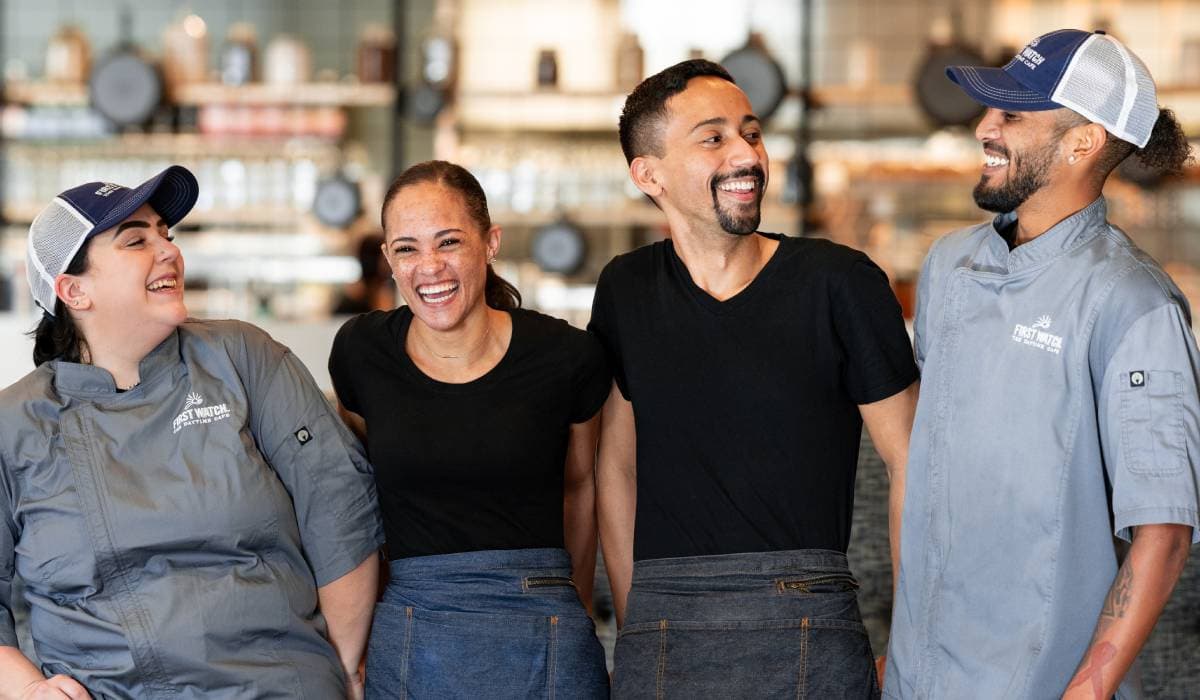
For restaurant operators, the real question is whether a cook, server or host can get help fast enough to make the next shift, not whether the benefits package looks good on a recruiting flyer. First Watch’s answer was to strip away some of the usual friction: make wellness tools available to every employee, regardless of role or benefits enrollment, and push the information to the frontline workforce in a way that does not require extra steps.
The chain said on March 1, 2023, that it was expanding wellness and learning benefits across a system that then included more than 470 restaurants nationwide and about 12,000 hourly and salaried employees. Every employee got a complimentary Calm membership, plus access for up to five friends and family members. First Watch also offered CirrusMD, a 24/7 text-based virtual care service that did not require an appointment and came with no out-of-pocket expense. In a business where a bad cold, a mental health lapse or a scheduling snag can quickly turn into a missed shift, that kind of access can matter more than a glossy wellness pitch.
The company followed that with a communications play on May 8, 2023, when it announced a partnership with goHappy. The platform was app-free and designed to reach First Watch’s frontline workers by text message, a practical choice in restaurants where many hourly employees do not spend their workday behind a company laptop. The point was not just to announce benefits, but to make sure people actually knew they existed.

First Watch had already started building the broader effort earlier in 2023. In January, it launched a learning series for nearly 300 employees at its Bradenton, Florida, home office and for multi-unit restaurant leaders. That put training and benefits into the same retention strategy, aimed at keeping managers connected and reducing the sense that hourly staff are left to figure things out on their own.
The company kept layering on more support. In April 2024, it added child- and elder-care benefits for part-time and full-time employees in response to high demand. By early 2026, First Watch had grown to around 600 restaurants across the U.S., and later coverage said CEO Chris Tomasso kept emphasizing an employee-first culture. For an industry still fighting burnout, callouts and churn, First Watch’s approach shows that easier-to-use benefits are not a side perk. They are part of how a growing chain tries to hold onto the people who keep breakfast service moving.
This article was produced by Prism’s automated news system from verified source data, official records, and press releases, then run through automated quality and moderation checks before publishing. The system is built and supervised by the people who set the standards it runs under. Read our full AI policy.
Did this article answer your question?