IRS finalizes No Tax on Tips rules for restaurant workers, pools
Servers, bartenders and pooled-tip crews got a clearer path to the new deduction, but only if their jobs are on the IRS list and their tips are tracked.
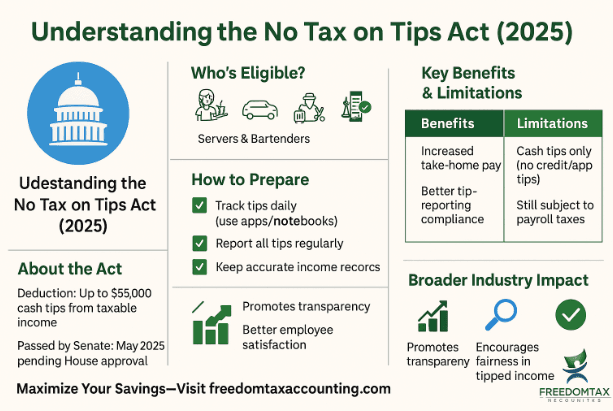
The new No Tax on Tips rules landed with a practical message for restaurants: the deduction is real, but only for workers whose jobs fit the IRS list and only if payroll records can prove the tips. The Treasury Department and IRS finalized the regulations on April 10, just days before the April 15 tax deadline, giving operators and tipped staff a tighter window to sort out eligibility for the 2025 filing cycle.
The final rule lists more than 70 tipped occupations and makes clear that restaurant workers can qualify if their jobs fall into the covered categories. That puts servers, bartenders, counter workers and some back-of-house employees who receive tip income in the frame, while workers in jobs not on the list do not get the deduction. The IRS said the list covers categories including beverage and food service, hospitality and guest services, and transportation and delivery.
For restaurants, the biggest operational issue is how tips move through the house. The final regulations say qualified tips can come through mandatory or voluntary tip-sharing arrangements, which matters for pooled-tip dining rooms, shared-house distributions and mixed front-of-house and back-of-house setups. A server who pools with bussers and bartenders, or a counter worker who receives card-based tips through a house distribution, may be covered if the occupation qualifies and the tips are properly reported.
The definition of tips also reaches beyond cash on the counter. The IRS said qualified tips can include credit and debit card tips and certain mobile payments, treating them as cash equivalents. That means payroll systems, point-of-sale reporting and tip allocation records now carry more weight than ever. If a restaurant still treats tips loosely, the risk is not just a messy payday, but a bad tax filing.

The deduction is temporary, running for tax years 2025 through 2028, with a maximum annual deduction of $25,000 for qualified tips and a phaseout for higher-income filers. That makes it valuable for many tipped workers, but not universal. A bartender running strong card sales may see a meaningful break; a manager on salary, or a worker whose job is not on the list, will not.
The IRS had already proposed regulations on Sept. 19, 2025, listing nearly 70 occupations and asking for public comment. It said it received more than 300 comments before issuing the final version. The National Restaurant Association also pressed its case, submitting a comment letter on Oct. 22, 2025 and circulating operator checklists and employee handouts telling restaurants to update Form W-4 records and keep tighter documentation.
For restaurants, the immediate job is compliance. Job classification, tip reporting and recordkeeping will now shape whether workers actually get the federal benefit that was sold as a win for tipped labor.
This article was produced by Prism’s automated news system from verified source data, official records, and press releases, then run through automated quality and moderation checks before publishing. The system is built and supervised by the people who set the standards it runs under. Read our full AI policy.
Did this article answer your question?