Line cooks can map a path up the kitchen brigade system
Line cooks can move up faster by learning the whole kitchen, not just their station. The brigade system shows what hiring managers look for at each step, from calm execution to cost control and leadership.

In many kitchens, the path runs from chef de partie to senior chef, then sous chef, chef de cuisine, and sometimes group chef or executive chef. The kitchen brigade system breaks the kitchen into specialized roles, with titles that can vary by restaurant, and shows that a station job is usually the start of a ladder, not the end of one.
Why the brigade still matters
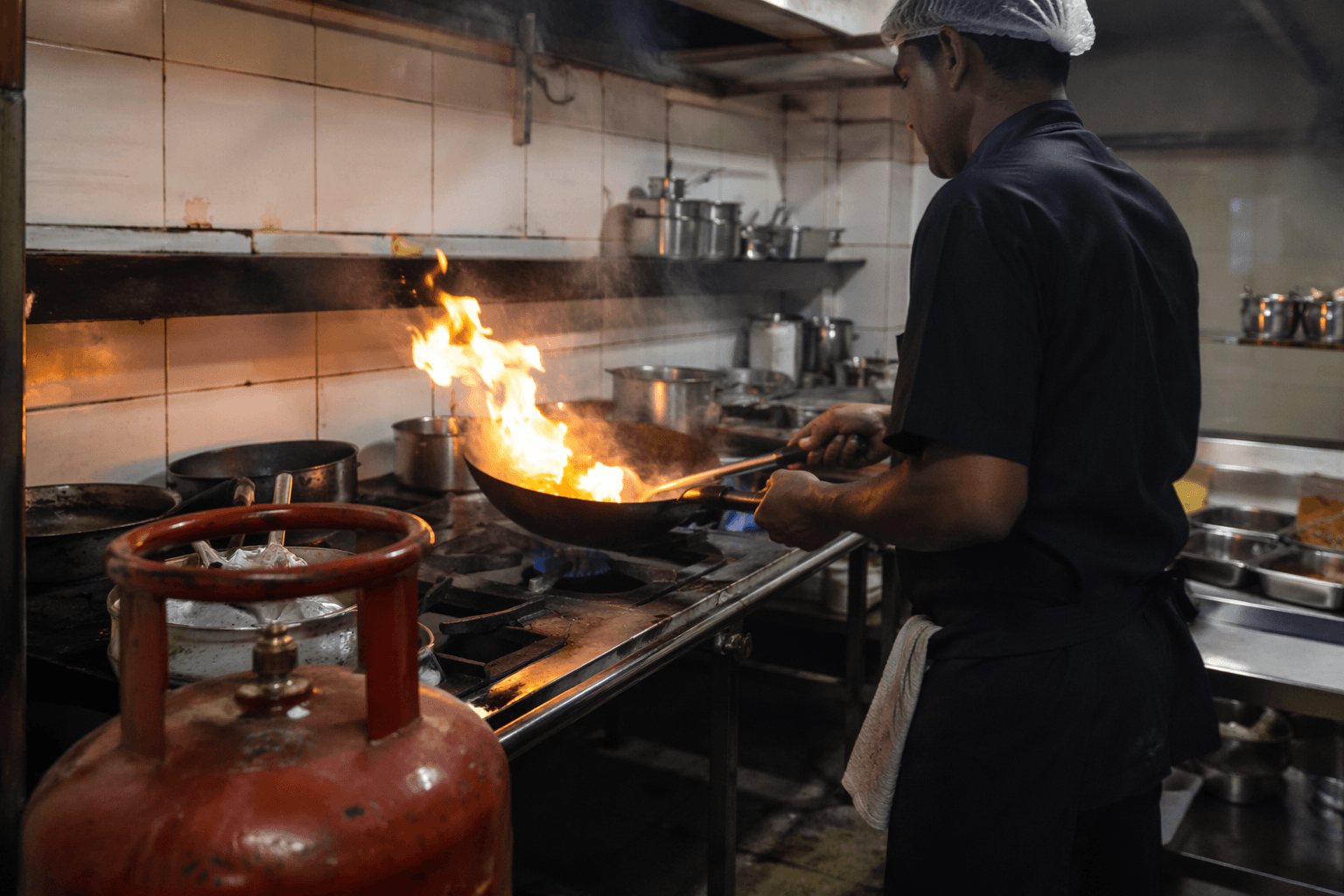
Georges Auguste Escoffier organized large kitchens into specialized stations so restaurants could serve more people without losing consistency. That idea still shapes how kitchens work now: one person owns the garde manger, another the sauté line, another the grill, while the whole team depends on timing and communication. Kitchens promote people who can keep their station steady and also help the room function as a whole.
The National Restaurant Association projected U.S. restaurants would employ more than 15.7 million people by the end of 2024 and generate more than $1.1 trillion in sales that year. In a business that large, workers who grow into leadership roles help keep operations moving through staffing shortages, burnout, and high turnover.
What changes as you move up
The jump from line cook to sous chef is not just about speed or knife skills. It is about starting to think like the person who has to hold the entire kitchen together when things go wrong. The chef de cuisine handles menus, suppliers, costs, and staff, while the sous chef supervises and fills in where needed. Sous chefs are the kitchen’s second-in-command: they supervise cooks, prepare meals, report results to head chefs, and run the kitchen when the head chef is absent.
That means the difference between a cook and a future leader often shows up in daily habits. A strong line cook keeps food moving. A cook ready for the next step notices waste, understands ordering, learns how specials are built, and can explain standards to another person without losing focus during a rush.
Skills that signal readiness
Promotion usually comes when a manager sees that you can do more than execute tickets. They want proof that you can keep the station calm, anticipate problems, and support the rest of the team. Consistency matters because it protects the kitchen’s output. Food safety matters because a leadership candidate has to think beyond their own plate. Cost control matters because margins in restaurants are thin, and staff training matters because a leadership candidate is expected to train others.
Before asking for the next role, workers can start practicing the work of that role:
- Learn the prep lists and how they change through the week.
- Ask to shadow ordering, invoicing, and receiving.
- Pay attention to how senior cooks call out timing and communicate during a rush.
- Track waste, shortages, and re-fires so you can spot patterns.
- Volunteer to train a new hire on one station or one menu section.
Why the pay and labor numbers matter
The Bureau of Labor Statistics put the median annual wage for chefs and head cooks at $60,990 in May 2024. It projects 7% employment growth for chefs and head cooks from 2024 to 2034, with about 24,400 openings per year on average. Data USA counted 466,865 people in the chefs and head cooks workforce in 2024.
The National Restaurant Association put restaurant and lodging job openings at 776,000 in May 2026 after three straight monthly declines, and the broader trend still points to continued demand for workers. Restaurants cannot always solve leadership gaps by hiring from outside. Many will have to grow their own sous chefs, shift leaders, and chefs de cuisine from the line.
For back-of-house workers, that also highlights a difference between kitchen careers and tipped front-of-house jobs. Servers and bartenders may build income through gratuities and tip pools, but cooks usually move up by gaining responsibility, not by waiting for a better tip night.
How real kitchens decide who moves up
The clearest promotions often happen when a kitchen trusts someone to hold the line under pressure. Speed gets noticed, but reliability gets promoted. A cook who can steady the team during a slammed Friday night, catch an order mistake before it leaves the pass, and keep prep organized for the next shift is already doing part of the sous chef job.
The brigade system gives a line cook a concrete picture of the next step: first master the station, then learn the room, then learn the numbers, then learn how to lead people.
This article was produced by Prism’s automated news system from verified source data, official records, and press releases, then run through automated quality and moderation checks before publishing. The system is built and supervised by the people who set the standards it runs under. Read our full AI policy.
Did this article answer your question?