Tamil Nadu prioritizes electric cooking connections for restaurants, offers subsidy
Tamil Nadu moved to cover extra power costs for restaurants that ditch LPG, with a 2 subsidy per unit and rules that reach back to March 15.

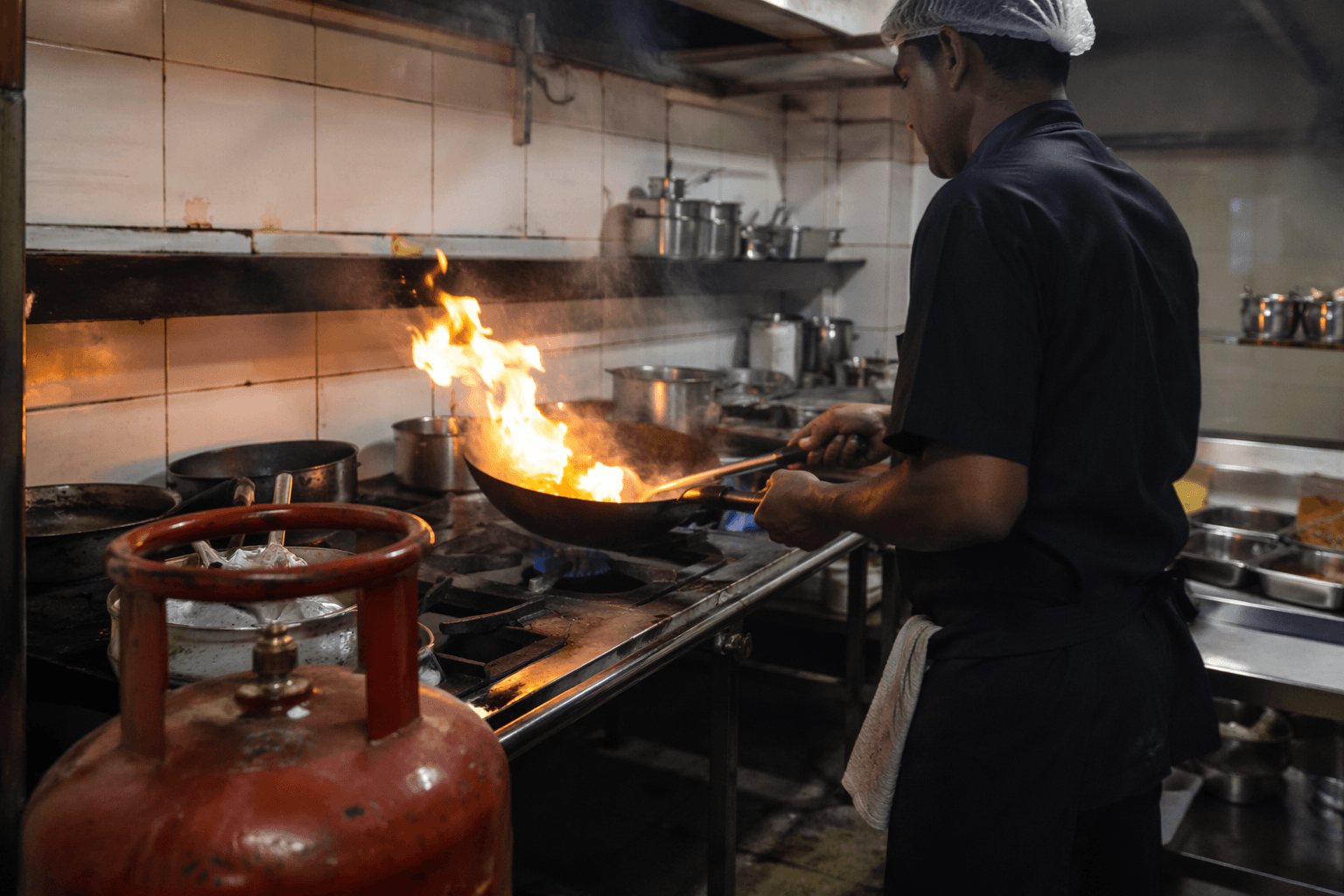
Tamil Nadu moved to prioritize new service connections and load enhancements for electric cooking in restaurants, cloud kitchens and industrial canteens, pairing the rollout with a 2-per-unit subsidy on the extra electricity those operators use after switching from LPG to electric stoves. The policy, announced by Chief Minister M. K. Stalin on March 14, was framed as a cleaner-energy push for food service.
The subsidy will stay in force as long as central government restrictions on commercial LPG use remain in place. Tamil Nadu linked the move to an LPG supply disruption tied to the West Asia conflict and the blockade of the Strait of Hormuz. Electricity demand from hotels and restaurants had already risen by about 50 megawatts above average in recent days. J. Radhakrishnan said the 2-per-unit support would apply to the additional power used by restaurants, cloud kitchens, tea shops and other eateries, even if they did not hold a licence.
Tamil Nadu Power Distribution Corporation Limited followed with a March 27 circular spelling out who qualifies and how the subsidy will be counted in bills. For low-tension consumers, only eligible commercial connections qualify, and the subsidy comes in addition to existing tariff concessions. For high-tension users, the benefit applies only if electricity is used entirely for food-related commercial activity. Factories with canteens can qualify only if the canteen has a separate meter and is open to the public, while staff-only canteens are excluded.

The subsidy is calculated on incremental consumption after March 14, measured against the same period last year, or against the previous month if no year-ago data exists. Bills from March 15 onward can be updated retroactively. Alongside the power push, 60,698 factories with Tamil Nadu Pollution Control Board consent do not need fresh approvals to use alternate fuels such as kerosene during the LPG shortage, only intimation to the board, while state and district committees were set up to monitor commercial LPG allocation.
This article was produced by Prism’s automated news system from verified source data, official records, and press releases, then run through automated quality and moderation checks before publishing. The system is built and supervised by the people who set the standards it runs under. Read our full AI policy.
Did this article answer your question?