Little Caesars launches ChatGPT app to streamline pizza ordering
Little Caesars pushed ordering into ChatGPT across the U.S., Mexico and Canada, a move that could cut phone traffic or add new errors at the counter.
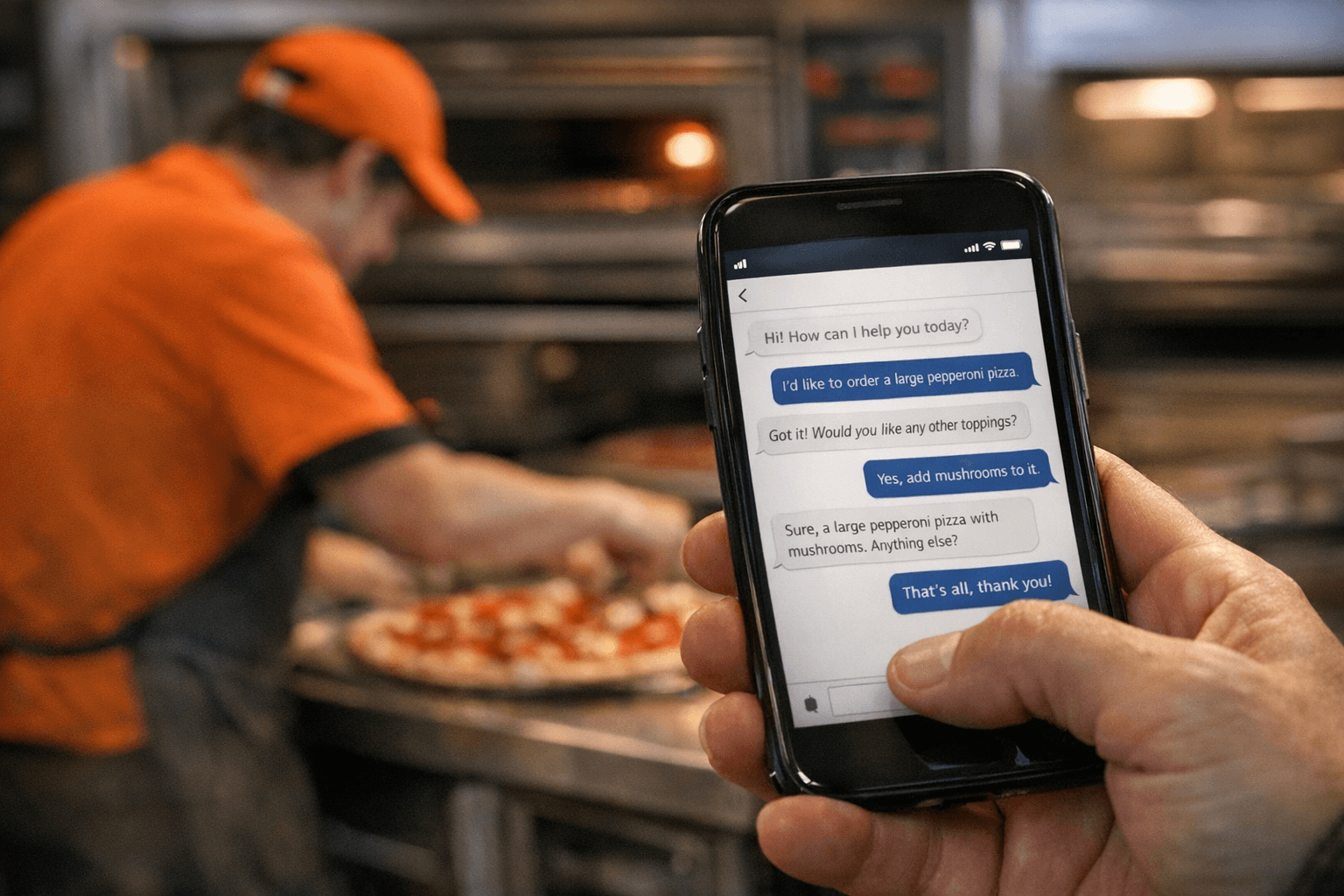
The biggest test for Little Caesars is not whether customers will chat with a bot. It is whether that chat turns into cleaner orders on a busy rush, or just shifts confusion to the pickup shelf, the register and the make line when a screen-driven cart hits the store.
The chain said it launched an app inside ChatGPT on April 16, 2026, giving customers a way to search for Little Caesars, connect an account and then move into the brand’s website or mobile app to pay and arrange pickup. The rollout covered the United States, along with many restaurants in Mexico and Canada, which made it more than a pilot and put real operational weight behind the experiment.
Little Caesars said the tool can help users build an order, plan a meal, get personalized recommendations and customize items inside the chatbot. It is designed to take in practical details customers often fumble over on the phone or at the counter, including how many people are being fed, dietary needs, budget constraints and delivery preferences. The company also said the system is tied into its backend so ChatGPT can pull menu, pricing and store-locator data in real time while maintaining security and compliance.
For restaurant workers, that kind of handoff can cut both ways. If more guests arrive with a finished digital cart, front counter staff may spend less time walking people through topping choices, combo questions and store hours. But the order also lands with less room for human clarification, which can mean more pressure on crews to produce exactly what the screen promised and to do it fast enough to keep pickup lines moving. In a business already shaped by labor shortages, burnout and high turnover, every extra remake or delay lands on the same stretched shift.
The move also shows how quickly AI ordering is moving from novelty to standard customer channel. Little Caesars rolled out its ChatGPT app just two days after Starbucks made a similar announcement, a sign that restaurant chains now see conversational software as part of the front door, not just an internal efficiency tool. That matters on the floor: the more ordering moves upstream into software, the more the labor burden shifts to workers who have to box, bake and hand off the food when the digital promise meets real-world volume.
For line crews and managers, the real score will be simple. If the tool cuts down on mistakes and speeds the handoff, it will have earned its place. If it mostly creates more complicated custom orders and new points of failure, it will join the long list of restaurant tech ideas that sounded smoother on a slide deck than they felt on a Friday night rush.
This article was produced by Prism’s automated news system from verified source data, official records, and press releases, then run through automated quality and moderation checks before publishing. The system is built and supervised by the people who set the standards it runs under. Read our full AI policy.
Did this article answer your question?