McDonald’s NEXT plan aims to reshape restaurants and crew work
McDonald’s NEXT ties growth to automation, tighter hospitality, and menu work, which could mean more tech, training, and pressure on crews.
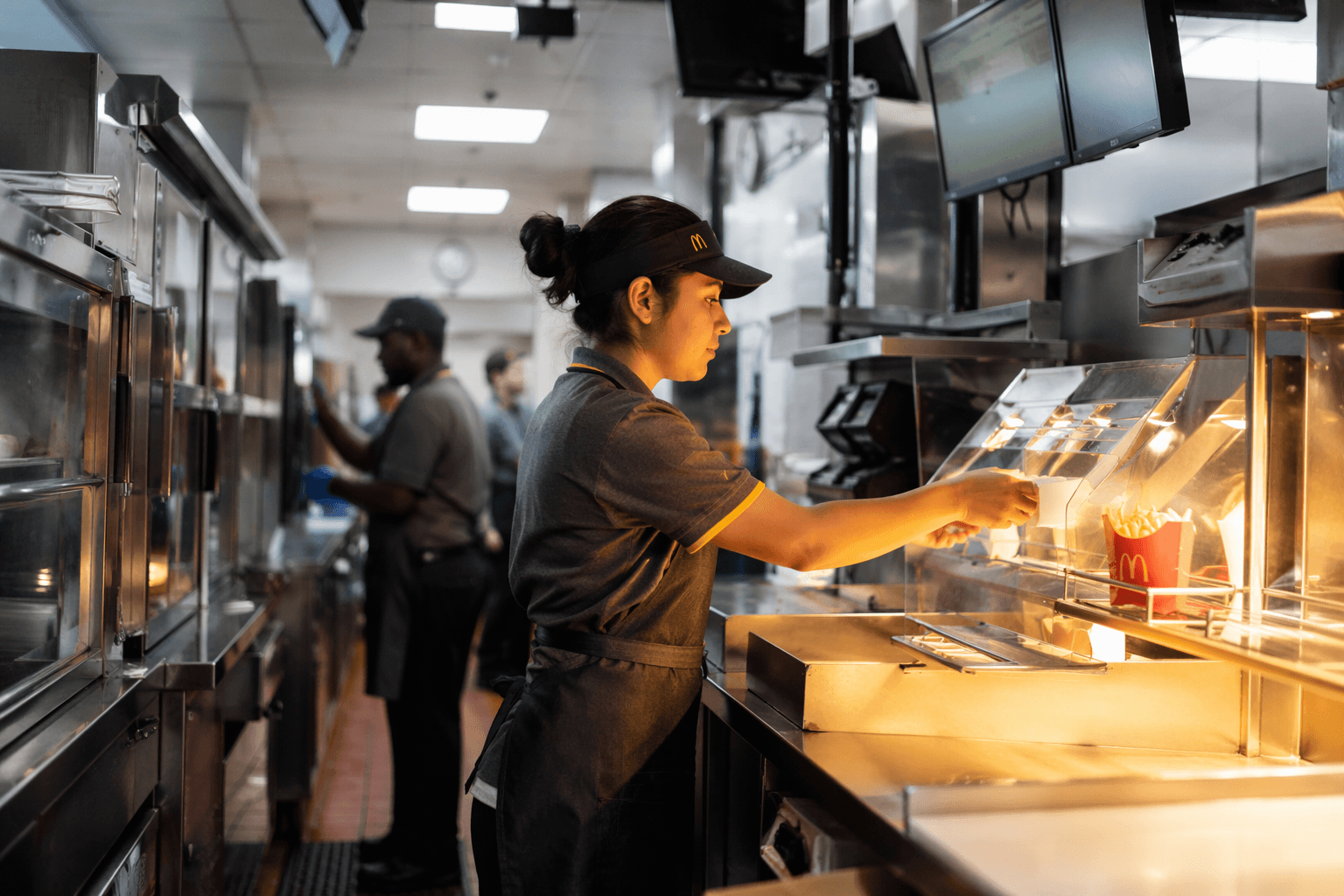
McDonald’s is pitching NEXT as a way to make restaurants easier to run, but the real question for crews is whether that ease reaches the floor or just the scorecard. Launched June 1, the plan is the chain’s blueprint for growth and productivity, built to bring in more customers more often and improve unit economics. It also promises better food, sharper hospitality, updated interiors, and more productive restaurants, all shaped by each market, customer, and crew.
What NEXT says about the restaurant floor
For workers, the language around growth matters less than the operational changes hiding inside it. McDonald’s says NEXT is built around menu innovation, stronger customer relationships, more effective restaurants, and a redefinition of hospitality through its people. That points to a system that wants every restaurant to do more with less friction, which usually means tighter process control, closer manager oversight, and more pressure to hit speed and consistency targets.
CEO Chris Kempczinski has framed the plan around bringing in more customers and improving the economics of each unit. On the ground, that kind of message often translates into heavier expectations on the same crew count, especially when a brand is trying to improve throughput without slowing the line. If the company truly wants more effective restaurants, crew scheduling, labor deployment, and shift leadership will have to change along with the menu board and the dining room.
Automation may change where the work sits, not how much there is
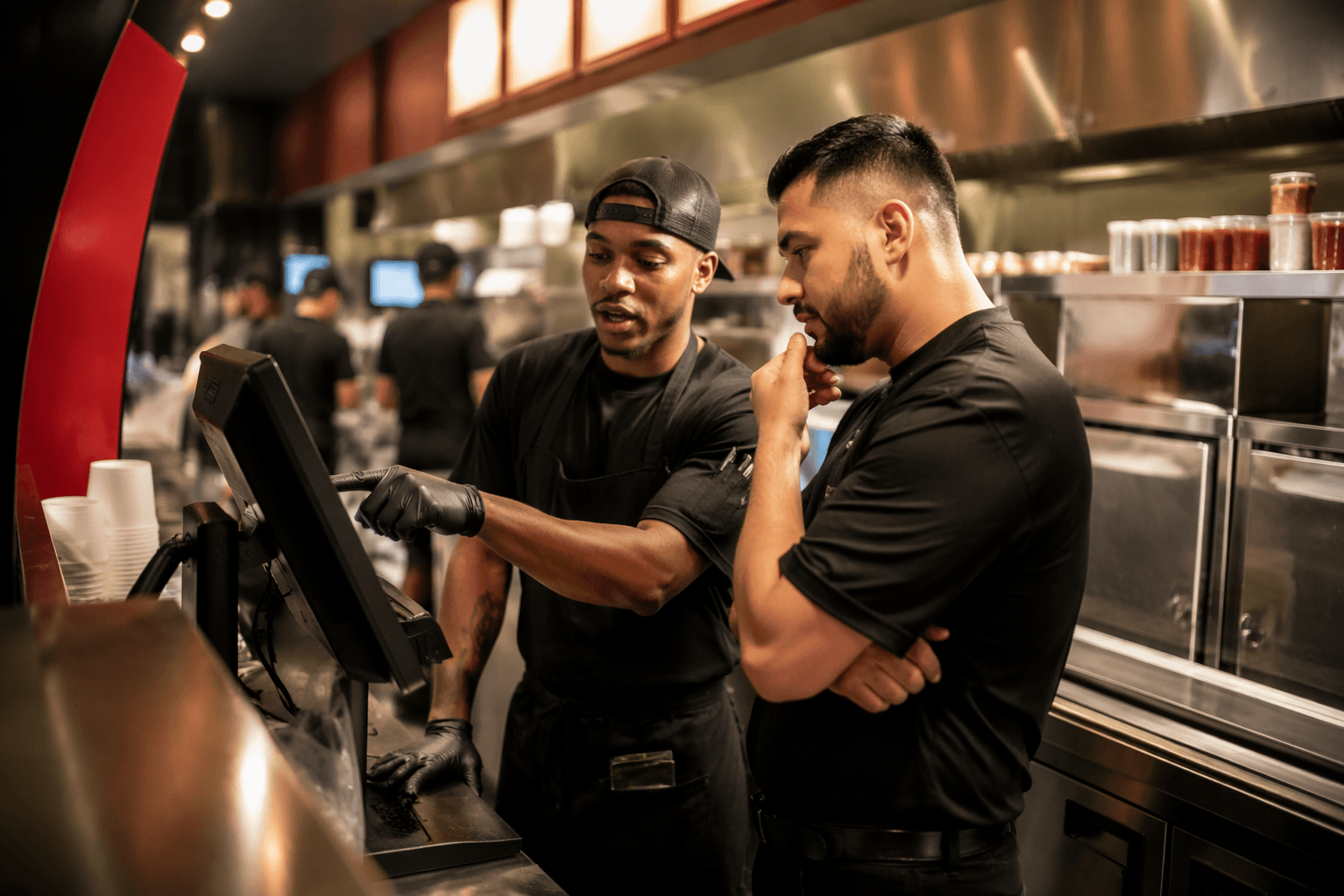
One of the biggest worker implications in NEXT is automation. McDonald’s says it wants more connected and intuitive systems so teams are not bouncing between tools, and it plans to test automated order taking so employees can focus on other tasks. That could take some pressure off the front counter, but it does not remove work. It can simply move effort toward food assembly, quality checks, table touchpoints, drive-thru flow, and recovery when an order goes wrong.
That shift matters because restaurant labor is rarely reduced in a clean way. In a busy store, a kiosk, headset, or automated ordering tool can speed transactions, but managers still need people who can keep the line moving, spot mistakes, reset the room, and handle the guest who wants a fix now. If the technology works, crews may get cleaner workflows and fewer interruptions; if it does not, employees will end up doing the same amount of work with more screens in the way.
The company’s push for more hospitality standards adds another layer. Higher standards sound good, but they also mean more monitoring of greeting times, service tone, and guest recovery, all while crews are trying to keep up with volume. For restaurant managers, that raises accountability too, because hospitality is hard to measure unless leadership is willing to staff and train for it.
Menu work means training work
McDonald’s has also made menu development part of the plan, and that is where labor pressure can show up quickly. The company said it set up new teams in 2025 to focus on burgers, beverages, and chicken, which usually means revised prep routines, new build standards, and more training for line workers and shift leaders. Anything that changes core menu items can ripple through the kitchen, from par levels and holding times to station assignments and expo discipline.
Jill McDonald said the goal is to create feel-good moments for customers and crew by making restaurants easier to run and more enjoyable to visit. That is the kind of promise restaurant workers have heard before, and the test is always the same: does “easier to run” come with simpler workflows, better tools, and more stable staffing, or does it mainly mean tighter standardization and higher expectations? In practice, menu changes often create a temporary lift in training demand long before they create any lift in labor support.
The plan’s focus on better-tasting sandwiches and fries, plus improved beverages, also matters for the kitchen. Consistency across a massive system depends on repetition, and repetition depends on training. That means crew members, especially newer hires and shift leaders, may face more product education, more execution checks, and more pressure to keep quality uniform at high speed.
Why the timing matters for franchisees and crews
NEXT was announced at McDonald’s biennial Worldwide Convention for franchisees in Las Vegas, which is a useful signal about who needs to buy into the plan first. The company is not rolling out a small branding refresh. It is asking operators to accept a new operating model while the chain faces competition from rivals such as Raising Cane’s and 7 Brew Drive Thru Coffee and consumers remain squeezed by inflation and high gas prices. In that environment, any promise of easier restaurants will be measured against labor costs, staffing stability, and how much speed the system can squeeze out of each shift.
The numbers help explain why McDonald’s is leaning hard into productivity. In the first quarter of 2026, global comparable sales rose 3.8 percent and global systemwide sales climbed 11 percent to more than $34 billion. The company also said systemwide sales to loyalty members topped $38 billion over the trailing 12 months across 70 loyalty markets. For franchisees, those are signs that the machine is still generating serious volume. For workers, they are a reminder that more traffic often brings more pressure to keep stations covered and service times tight.
NEXT also replaces Accelerating the Arches, the 2020 strategy that centered on marketing, the core menu, digital, delivery, drive-thru, and development. That earlier plan carried a long-term goal of 50,000 global units by 2027, which shows McDonald’s has been on a sustained expansion path, not a reinvention kick. NEXT looks less like a fresh start than a new operating layer on top of a system already built to scale.
What crews should watch next
The worker question is simple: does growth come with labor support, or just higher expectations? If McDonald’s uses NEXT to pair new tech with better staffing, clearer workflows, and real training, crews could see less chaos and fewer rough shifts. If not, the plan will mainly mean more automation, more standardization, and more pressure to make every restaurant feel faster, cleaner, and more hospitable with the same or smaller labor footprint.
For restaurant workers, that is the real story behind NEXT. The plan will be judged not by how polished it sounds, but by whether it makes the shift better for the people who have to live it.
This article was produced by Prism’s automated news system from verified source data, official records, and press releases, then run through automated quality and moderation checks before publishing. The system is built and supervised by the people who set the standards it runs under. Read our full AI policy.
Know something we missed? Have a correction or additional information?
Submit a Tip