Nearly 40 percent of Nova Scotia restaurants are operating at a loss
Nearly half of Nova Scotia restaurants are losing money or just breaking even, and operators say food and labour costs are squeezing shifts, hiring and wages.

Nova Scotia’s restaurant business is being squeezed from both sides: operators are stuck between rising costs and margins that leave almost no room to absorb them, while workers are seeing the pressure show up as tighter schedules, fewer hours and less room for wage gains. New figures show close to 40 percent of restaurants in the province are operating at a loss or just breaking even, a warning sign for an industry that employs about 32,000 Nova Scotians and accounts for 4.7 percent of the province’s GDP.
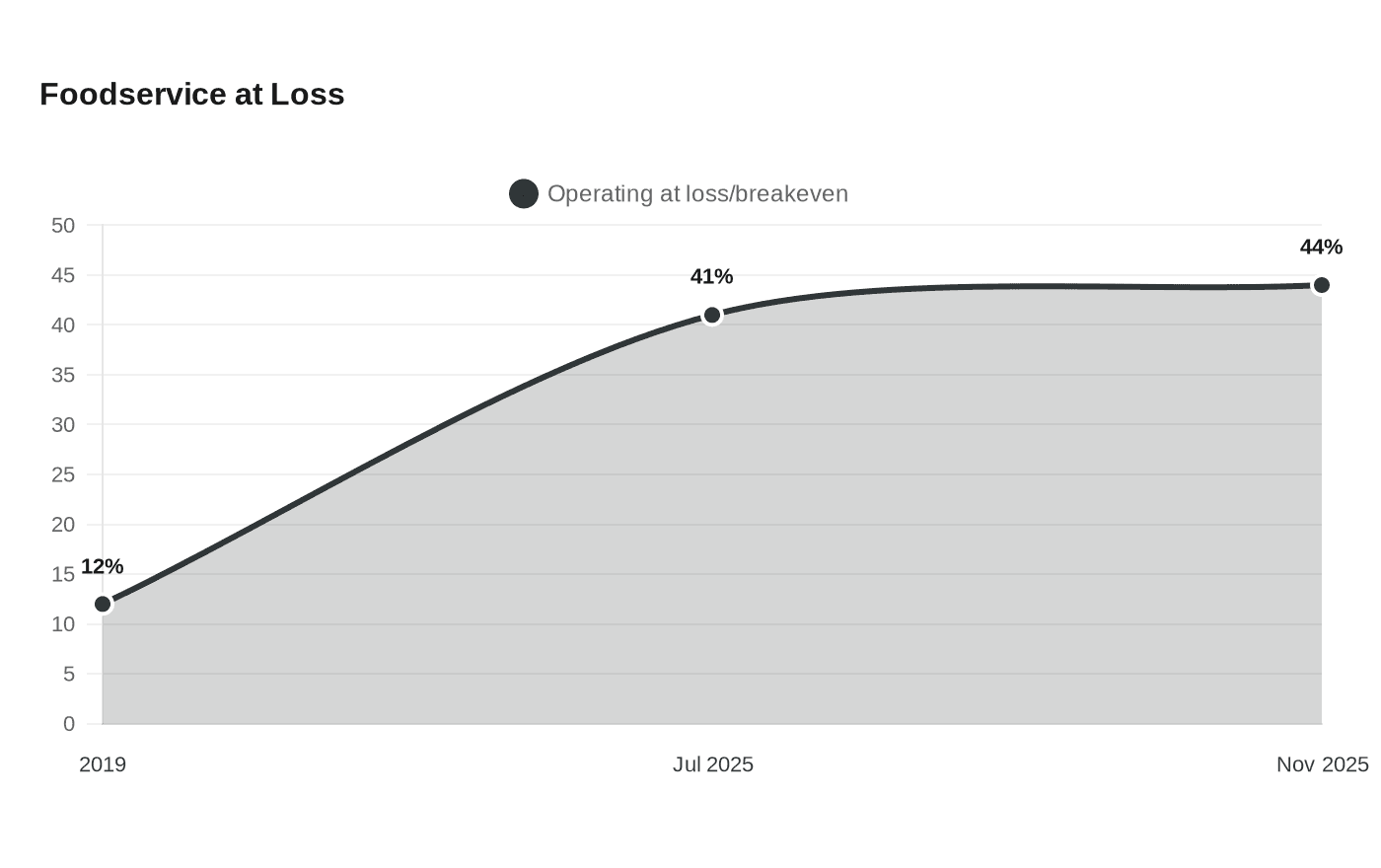
The problem is not isolated to one province. Restaurants Canada said 41 percent of Canadian foodservice businesses were operating at a loss or just breaking even in July 2025, and that figure rose to 44 percent by November, up from 12 percent in 2019. In Nova Scotia, the trade group said the situation has been even tougher: 53 percent of restaurants were in the red or barely treading water in 2024, a level that helps explain why owners are so reluctant to add staff, expand hours or raise wages.

Restaurant Association of Nova Scotia executive director Natasha Chestnut said the pressure is coming from multiple directions at once, including food costs, utilities, insurance and equipment, along with inflation and labour shortages. She said restaurant profit margins average just under 4 percent, a thin cushion that makes even modest increases in expenses hard to absorb. When a business is operating that close to the line, managers often respond by tightening the schedule, cutting back on extra shifts and delaying new hires, which leaves kitchen and dining room staff covering more ground with less backup.
Restaurants Canada has said food costs and labour costs remain the top concerns for operators. In late 2025, 88 percent of operators cited food costs as a top concern and 89 percent cited labour costs. That combination is pushing many restaurants to raise menu prices, cut staff or hours, and change suppliers or ingredients. For workers, that usually means more table turns, more pressure in the kitchen and less certainty about how many hours will be on the next schedule.
The squeeze is likely to deepen as Nova Scotia’s minimum wage rises in 2025, adding more cost pressure to a sector already fighting for survival. For restaurants that are already operating at a loss or just breaking even, every added expense narrows the room to hire, retain and reward the people keeping the dining room and kitchen moving.
This article was produced by Prism’s automated news system from verified source data, official records, and press releases, then run through automated quality and moderation checks before publishing. The system is built and supervised by the people who set the standards it runs under. Read our full AI policy.
Know something we missed? Have a correction or additional information?
Submit a Tip