NLRB Judge: Pennsylvania Restaurant Illegally Fired Server for Discussing Tips
A Pennsylvania server was fired after raising questions about a $2,800 banquet tip. An NLRB judge said the restaurant illegally punished her for talking pay.
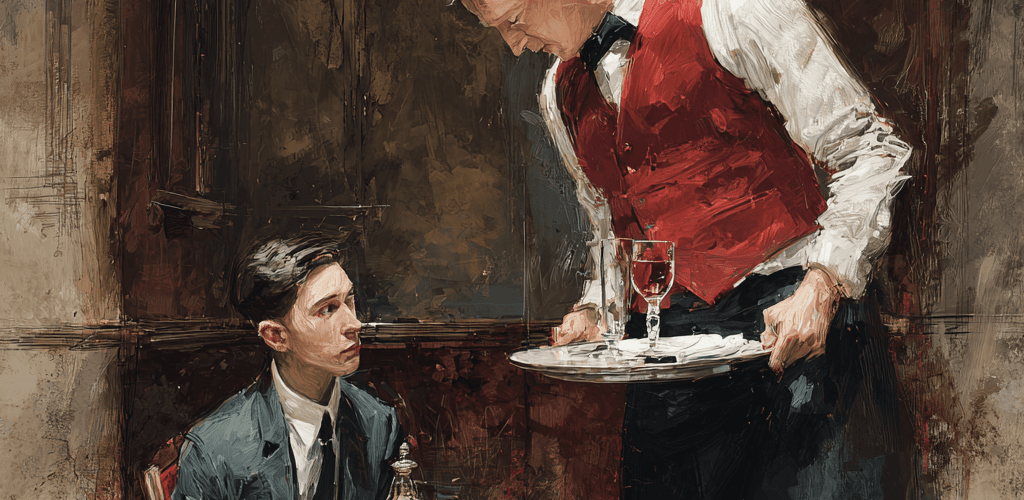
A server at John Wright Restaurant in Wrightsville lost her job after a banquet-floor discussion about a $2,800 gratuity, and a federal labor judge said that punishment crossed the line. The ruling said the restaurant could not fire Mackenzie Caterbone for talking with coworkers about tips, wages, and how banquet money was being split, a fight that goes straight to the center of restaurant pay culture.
The case involved Wrightsville Firewater LLC, doing business as John Wright Restaurant, at 234 N. Front Street in Wrightsville, Pennsylvania. The business operated as both a restaurant and a banquet facility, and Caterbone had worked there for about six years as a server and bartender on weddings, corporate functions, and similar events. After a corporate banquet, she and other workers whether owner James Switzenberg had taken more than a fair share of the $2,800 gratuity. Not long after that conversation, Caterbone got a text saying she was fired for talking about pay.
On April 21, an administrative law judge for the National Labor Relations Board found three unfair labor practice violations: an unlawful discharge, an unlawful rule, and unlawful interrogation. The judge ordered reinstatement, back pay, and the rescission of a March 23, 2023 memo that told employees that “salaries, hourly wages, and tip-outs are all very personal and should not be discussed with your co-workers.” That memo also told employees to bring wage or tip-out concerns to management and the owner instead.
For restaurant workers, the ruling lands in a familiar pressure point. Tip-outs, pooled tips, banquet gratuities, and service charges can make a shift’s pay swing sharply, especially for servers and bartenders who depend on front-of-house accounting to be accurate. The judge’s decision underscored that employees can talk with coworkers about whether tip money is being split fairly, and managers cannot punish them simply for asking questions or raising concerns.

The case also found an interrogation violation involving Parker Geesey and Allyson Lehman. In broader terms, the National Labor Relations Board says private-sector employees have the right to discuss wages and work together over pay and working conditions, even without a union. Federal wage rules also help explain why the stakes are so high in tipped work: the U.S. Department of Labor defines tipped employees as workers who customarily and regularly receive more than $30 a month in tips.
For restaurant supervisors, the message is blunt. A policy that labels wages and tip-outs off-limits can create legal exposure, and firing someone for talking about tips can turn an ordinary backstage dispute into a formal labor case with reinstatement and back-pay consequences.
This article was produced by Prism’s automated news system from verified source data, official records, and press releases, then run through automated quality and moderation checks before publishing. The system is built and supervised by the people who set the standards it runs under. Read our full AI policy.
Did this article answer your question?