OpenTable says travelers now book hotels for the restaurant scene
Travelers are booking rooms for the restaurant, and hotel F&B teams are now serving locals and guests at once.

More than 10 million verified diner reviews and dining metrics collected from May 1, 2025, through April 30, 2026, shaped OpenTable’s 2026 Top 100 Hotel Restaurants in America. Sixty percent of Americans planning summer travel booked a hotel specifically because of its restaurant, and 61% chose a destination because of its food or restaurant scene.
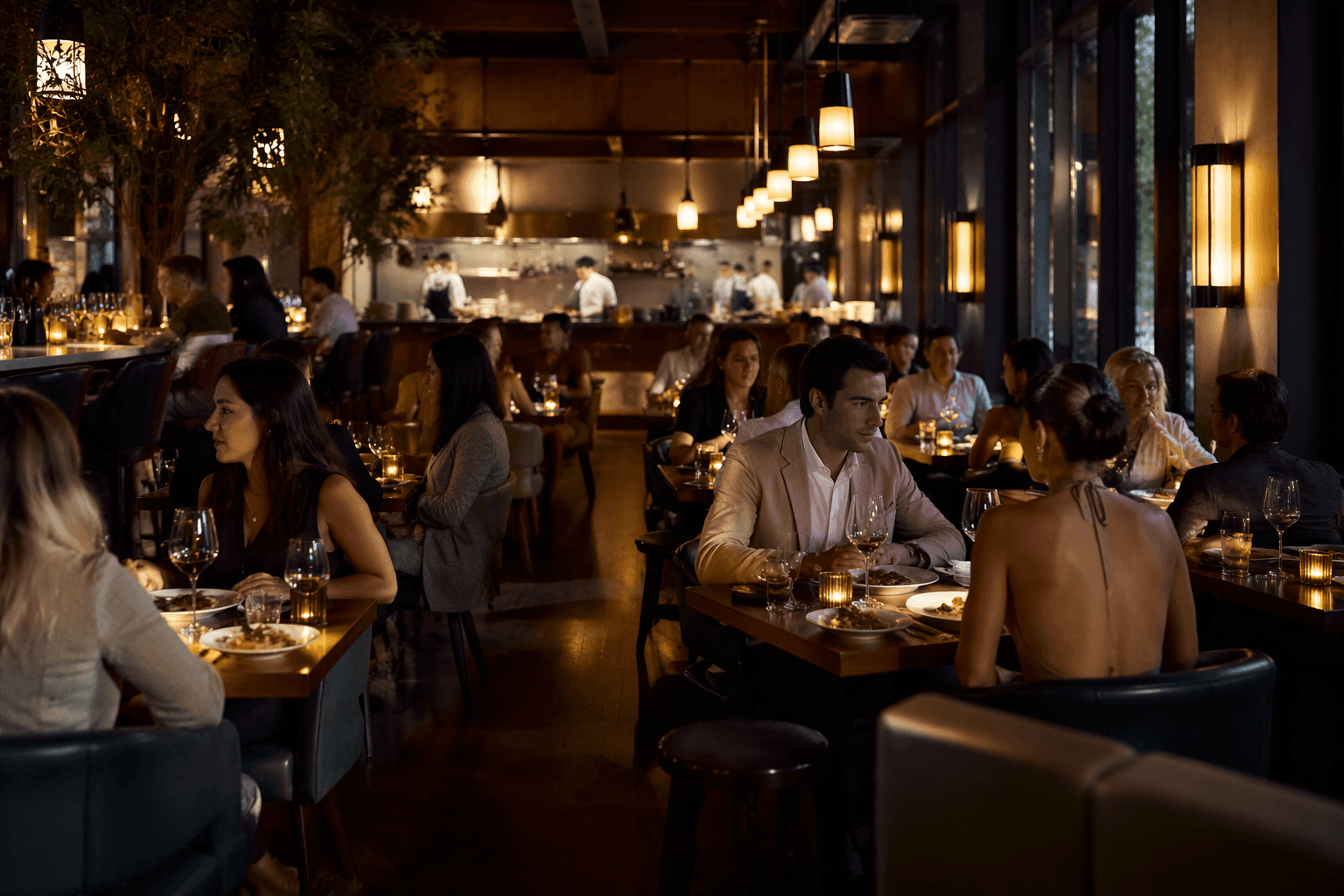
For hotel workers, the bigger change is who is walking through the door. Ninety-two percent of respondents have dined at a hotel restaurant when they were not staying there, so dining rooms that once depended on in-house guests are now competing with neighborhood spots for local traffic and with other hotels for repeat business. Hotel restaurant dining by travelers is up 13% year over year and up 7% across all diners, which raises the pressure on hosts, servers, bartenders, and managers to keep service tight when a room is full and the restaurant is drawing its own crowd.
Eighty-eight percent of Gen Z plan restaurant reservations ahead of time, and 46% think about reservations at the same time as booking a hotel, so demand can build before guests ever reach the lobby. Parties of one among travelers are up 30% year over year to date, and 71% of respondents said they would consider dining solo at a hotel restaurant or bar in the future.
Nearly half of Americans spend more time researching where to eat and drink than any other part of a trip, and OpenTable’s updated AI Concierge is now available on the homepage, drawing from a network of more than 65,000 restaurants.

In OpenTable and KAYAK’s 2025 research, 47% of Americans had specifically booked a trip to visit a restaurant, 58% believed hotel restaurant offerings had improved over the years, and use of KAYAK’s restaurant hotel filter rose 51% year over year. The 2026 list spotlights hotel dining in markets including Las Vegas, Florida, Hawaii, New York, California, and Texas.
This article was produced by Prism’s automated news system from verified source data, official records, and press releases, then run through automated quality and moderation checks before publishing. The system is built and supervised by the people who set the standards it runs under. Read our full AI policy.
Did this article answer your question?