OpenTable update stirs restaurant fears over exclusivity, annual contracts
A new OpenTable contract clause could push restaurants to center one system at the host stand, raising fears of exclusivity, slower turns, and less control over guest data.

Marcos Wanless saw a power shift, not a paperwork tweak, when OpenTable changed its client agreement on April 16. The Seattle Latino Metropolitan Chamber of Commerce president worried the new language could force restaurants to make OpenTable their primary table-management system, putting reservations, walk-ins, guest data and pacing more firmly under one vendor’s control.
Wanless asked Washington state Attorney General Nick Brown to review whether the revised terms unfairly restricted restaurant choice and competition. That put the update in a different category from a routine software refresh. For restaurants, especially busy full-service dining rooms, the question is who controls the host stand when the room fills up, the wait list starts moving and managers need to decide whether to hold a table, seat a walk-in or keep a section open for a large party.
OpenTable said the 2026 client-agreement updates were designed to protect data, modernize the platform and make the partnership terms clearer and more transparent. The company also said it had seen more bad actors and unauthorized third parties trying to scrape data, bypass technical controls or otherwise gain unlawful access to reservation systems. OpenTable has pointed to a rise in threats including scraping, phishing and unapproved third-party access.
That security argument did little to calm operator worries about exclusivity and flexibility. The new terms pushed restaurants toward yearly contracts instead of month-to-month arrangements, which could make it harder to switch systems, test alternatives or negotiate around seasonality, private dining demand or changing neighborhood traffic. For a host team already juggling OpenTable, phone calls, walk-ins and special requests, the practical effect could be slower adjustments and less room to improvise on a packed Friday night.
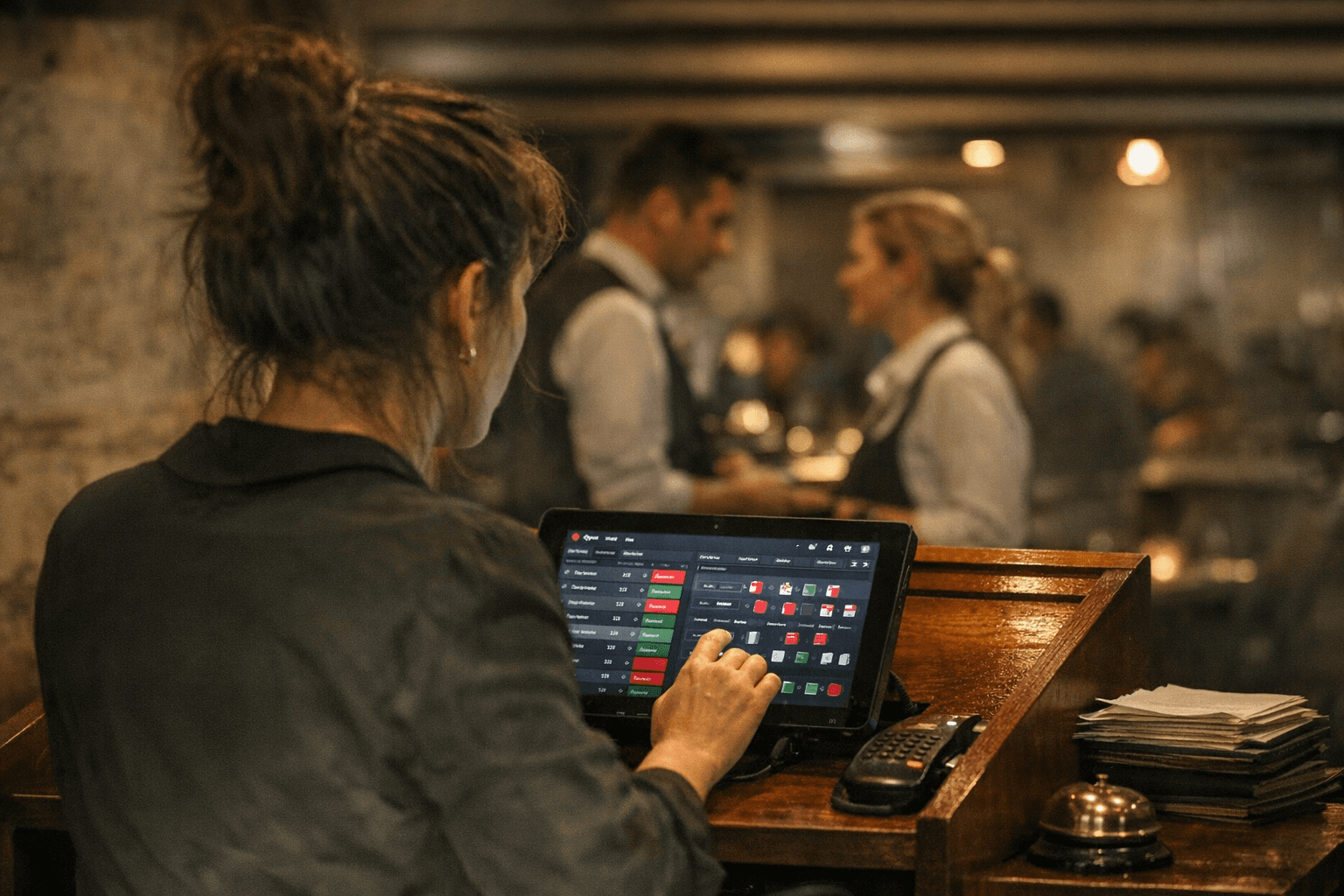
The stakes are larger because OpenTable says its platform is used by more than 60,000 restaurant partners and powers 1.9 billion diners a year. Its table-management tools are built around front-of-house operations, floor plans, reporting and shift management, which means the contract language reaches far beyond IT. It reaches the people posting wait times, turning tables and trying to keep service moving without blowing up the dining room.
The company has been here before. In 2019, OpenTable restricted restaurants from sharing diner data with competitors unless they paid extra, drawing criticism before later allowing integration for a fee. That history makes the current fight feel less like a one-off terms update and more like another attempt to tighten control over the reservation layer restaurants rely on. With competition in the reservation market intensifying, the question for operators is simple: whether OpenTable is protecting the floor, or locking it down.
This article was produced by Prism’s automated news system from verified source data, official records, and press releases, then run through automated quality and moderation checks before publishing. The system is built and supervised by the people who set the standards it runs under. Read our full AI policy.
Did this article answer your question?