UNITE HERE says organizing turns restaurant jobs into family-sustaining careers
Unite Here’s pitch is simple: a restaurant job becomes a career when the wage, health care, and schedule are stable enough to live on.
What a better restaurant job looks like
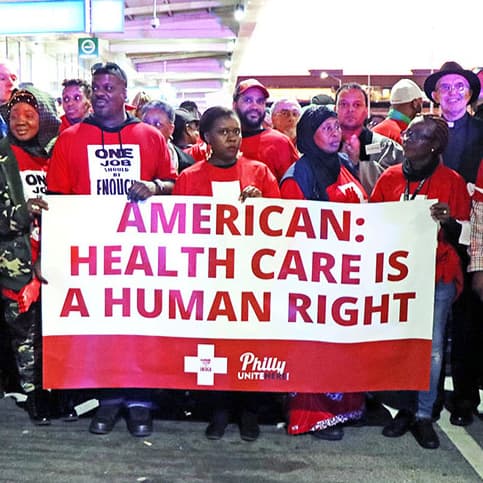
UNITE HERE’s message is blunt: a restaurant job should not require a second job, a side hustle, or a constant tradeoff between rent and a doctor visit. In the union’s view, the difference between a dead-end service job and a family-sustaining career comes down to four things: competitive pay, affordable health care, retirement protections, and enough stability to plan a life around the schedule instead of chasing it.

That is a useful way to read the restaurant floor. In a house where cooks, servers, bartenders, hosts, dishwashers, and shift leads are burning out fast, the problem is usually not just “labor shortage.” It is a compensation model that lets management rely on high turnover, unpredictable hours, and paper-thin benefits, then acts surprised when people leave.
The contract checklist that changes daily life
If you want to know whether a restaurant job is actually better, start with the contract basics. UNITE HERE says organizing has turned jobs once marked by low wages, impossible workloads, and reduced health care into middle-class jobs with safety and respect. That means the win is not symbolic. It shows up in the hourly rate, the health plan, the retirement package, and the workload limits that make a shift survivable.
A stronger restaurant job usually includes:
- A wage high enough that one job can pay the bills
- Affordable family health care, not coverage that disappears into deductibles and co-pays
- Retirement protections, so years on the line do not end in financial panic
- Workload rules that keep one person from carrying the weight of two
- A steadier schedule, so workers can arrange child care, appointments, and sleep
- Real safety and respect, not just a poster in the break room
That is the gap between a job that drains people and one that keeps them. UNITE HERE says the point is not to add perks. It is to make hospitality work stable enough that workers can support families without stringing together multiple jobs just to stay afloat.
Why pay is only the first test
For restaurant workers, higher hourly pay matters, but it is only the first line on the receipt. Health care and retirement are where many nonunion jobs fall apart. The Bureau of Labor Statistics says retirement benefits were available to 72% of private industry workers in March 2025, but access is not the same thing as affordability or quality, and those benefits vary sharply by establishment size. The same agency tracks benefits like health insurance, retirement plans, and paid vacations because those are the real building blocks of a stable job.
That is why UNITE HERE Health matters in this conversation. The labor-management trust fund is designed to deliver affordable health care, and local union materials point to family health care, a legal plan, and pension benefits as hard-won gains, not abstractions. In a restaurant setting, those benefits can matter more than a small bump in base pay if they keep a worker from skipping treatment, draining savings, or postponing retirement for years.
The union’s larger point is that wages and benefits are not separate issues. A decent paycheck without health coverage still leaves people vulnerable. A health plan without enough hours still leaves workers scrambling. A real career requires both.
How organizing changes the restaurant model
UNITE HERE says it has organized workers in hotels, casinos, airports, and corporate cafeterias, and that broader strategy is aimed at setting what it calls “global standards” in hospitality. For restaurant workers, that matters because the same pressures show up across the industry: thin margins, fast turnover, uneven pay across front and back of house, and staffing models built to squeeze every ounce out of the labor force.
The union says hotel jobs such as housekeeper, cook, bellman, server, bartender, front desk agent, and dishwasher often pay at the poverty level when they are not unionized. That warning extends easily to restaurant operations where tipped income can mask low base wages and make one bad week look like a worker problem instead of a pay problem.
When workers organize, the conversation changes. Instead of asking whether management can “find” more labor, the contract asks what it takes to keep experienced people. That usually means better wages, fewer arbitrary scheduling surprises, and protections against being stretched so thin that every shift feels like an emergency.
What recent wins look like on the ground
The most concrete example comes from the Universal Hilton, where UNITE HERE Local 11 said workers won their first union contract in March 2026. The deal covered about 250 workers and included a $4 raise in the first year, $10 in raises over four years, plus health care, pension, and workload protections.
That is the kind of package that changes retention. A raise matters immediately, but workload protections are what decide whether a server can finish a shift without being buried, whether a cook can keep pace without breaking down, and whether managers stop operating as if burnout is a renewable resource. In a field where turnover is routine, a contract that protects the pace of work can be as valuable as the wage increase itself.
Local 25 points to the same logic in a different form. Its materials describe collective bargaining as democratic, with workers electing a negotiating committee and voting on major issues. That process matters because it keeps the contract tied to the problems workers actually face on the job, not just what management says is affordable.
The long view behind today’s fights
This is not a new labor argument. HERE, one of UNITE HERE’s predecessor unions, was formed in April 1891, and HERE merged with UNITE in 2004 to form the current union. Local 25 also points to a 1946 citywide hotel strike in New York, described as the first and only citywide strike in the union’s history, after a period when hotel workers reportedly had no days off, no vacation, no sick leave, no benefits, and poverty wages.
That history is the real point of the wages-and-benefits pitch. It is not a feel-good claim that organizing is nice in the abstract. It is a record of how hospitality workers have forced the industry to treat labor as something more than a disposable line item.
For restaurant workers, the lesson is straightforward: a better job is not defined by branding, slogans, or a “team” poster in the break room. It is defined by whether one shift can support a life, whether health care is affordable, whether retirement is possible, and whether the pace of work leaves enough of a person standing at the end of the week.
This article was produced by Prism’s automated news system from verified source data, official records, and press releases, then run through automated quality and moderation checks before publishing. The system is built and supervised by the people who set the standards it runs under. Read our full AI policy.
Did this article answer your question?