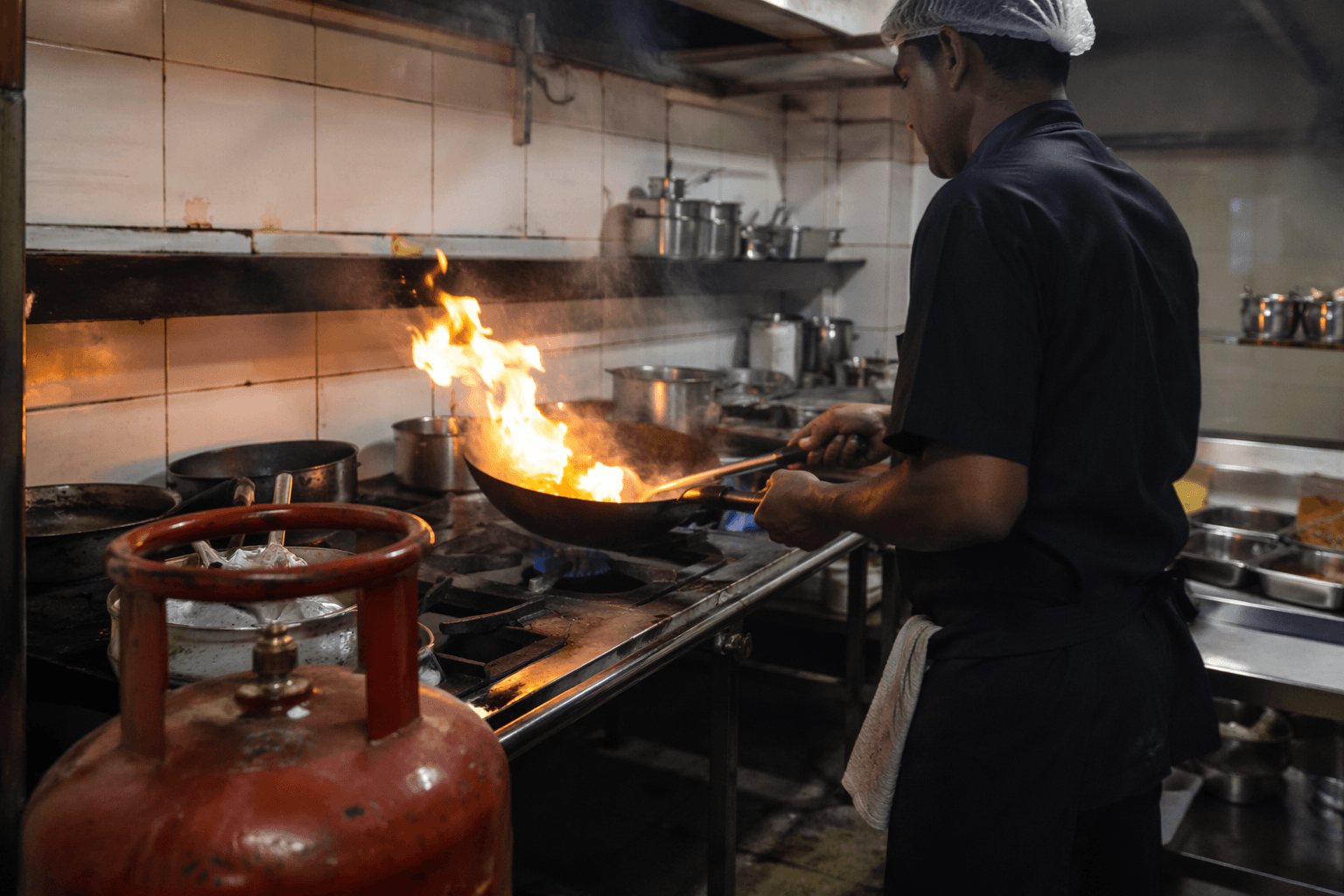
Ozempic appetite suppression could cut restaurant revenues, expert warns
Ozempic and similar drugs are changing appetites, and Karan Gokani warned that smaller orders could squeeze restaurant revenues, tips and menu planning.
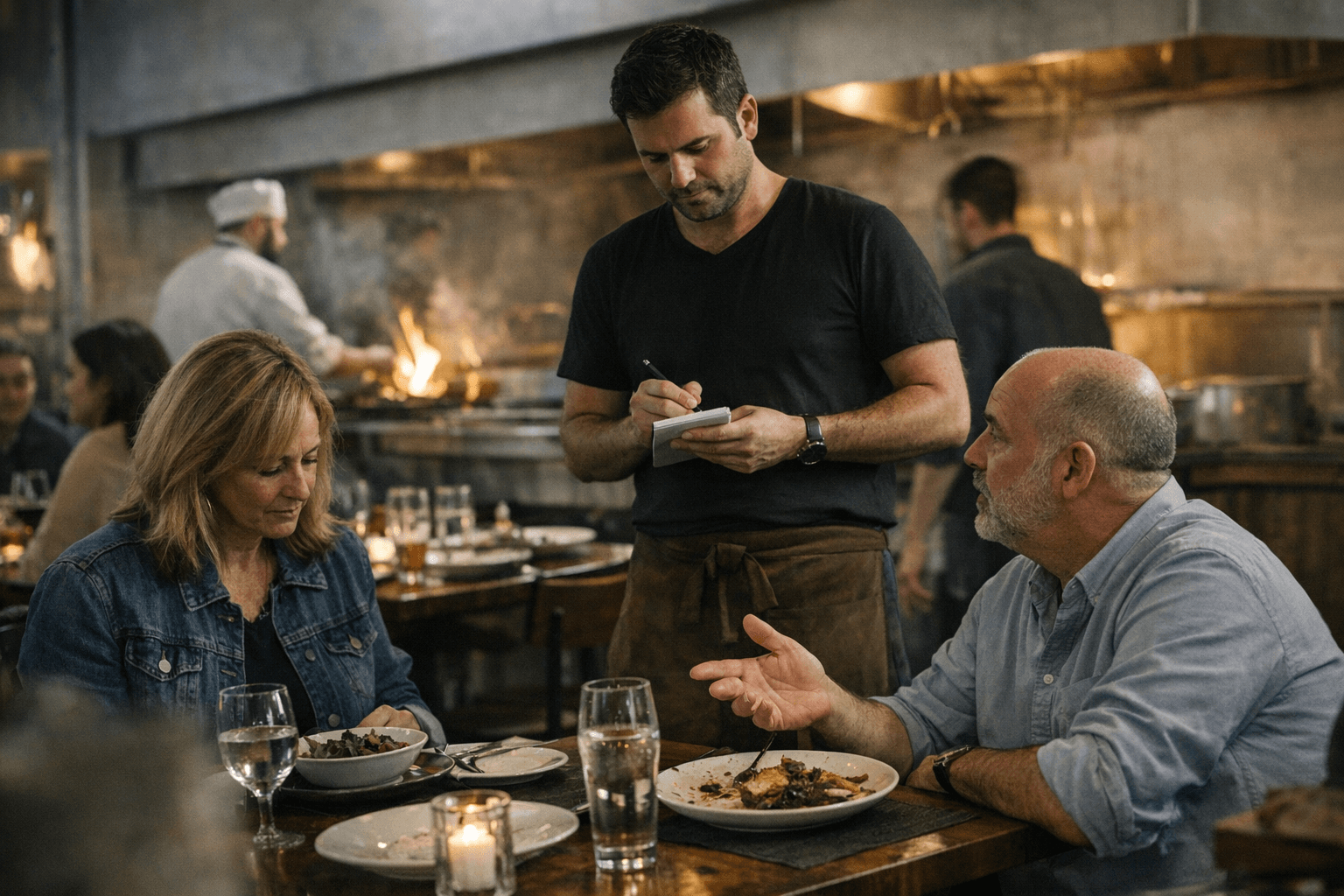
Ozempic and other weight-loss drugs are starting to reach beyond the medicine cabinet and onto the restaurant floor, where smaller appetites could mean smaller checks. Karan Gokani warned that appetite suppression tied to the drugs may cut restaurant revenues as diners eat out less and order less when they do.
For servers, bartenders and line cooks, that shift would not show up as an abstract consumer trend. It would show up in the size of the tab, the number of add-ons and the pace of the night. If guests split entrées, skip dessert or pass on extra drinks because they are simply less hungry, check averages can fall even when the dining room stays full. Lower sales per table can ripple straight into tips for front-of-house staff and into the daily rhythms kitchen crews use to gauge prep, pacing and waste.
The warning also points to a harder menu question for operators: what happens when the appetite that once supported bigger portions, indulgent starters and late-night desserts starts to shrink? Restaurants built around generous plates and high-margin extras may have to rethink portion sizes, sharing formats and menu mix if more customers come in wanting less food. That can complicate everything from purchasing to prep sheets, especially in a business already dealing with tight margins and high turnover.

Gokani’s point lands at a moment when restaurants are already trying to read changing consumer behavior table by table. If appetite suppression keeps spreading, the effect will not just be fewer bites on a plate. It could reshape how much money comes through the door, how much servers take home, and how operators plan for a night’s sales before the first order is rung in.
This article was produced by Prism’s automated news system from verified source data, official records, and press releases, then run through automated quality and moderation checks before publishing. The system is built and supervised by the people who set the standards it runs under. Read our full AI policy.
Did this article answer your question?