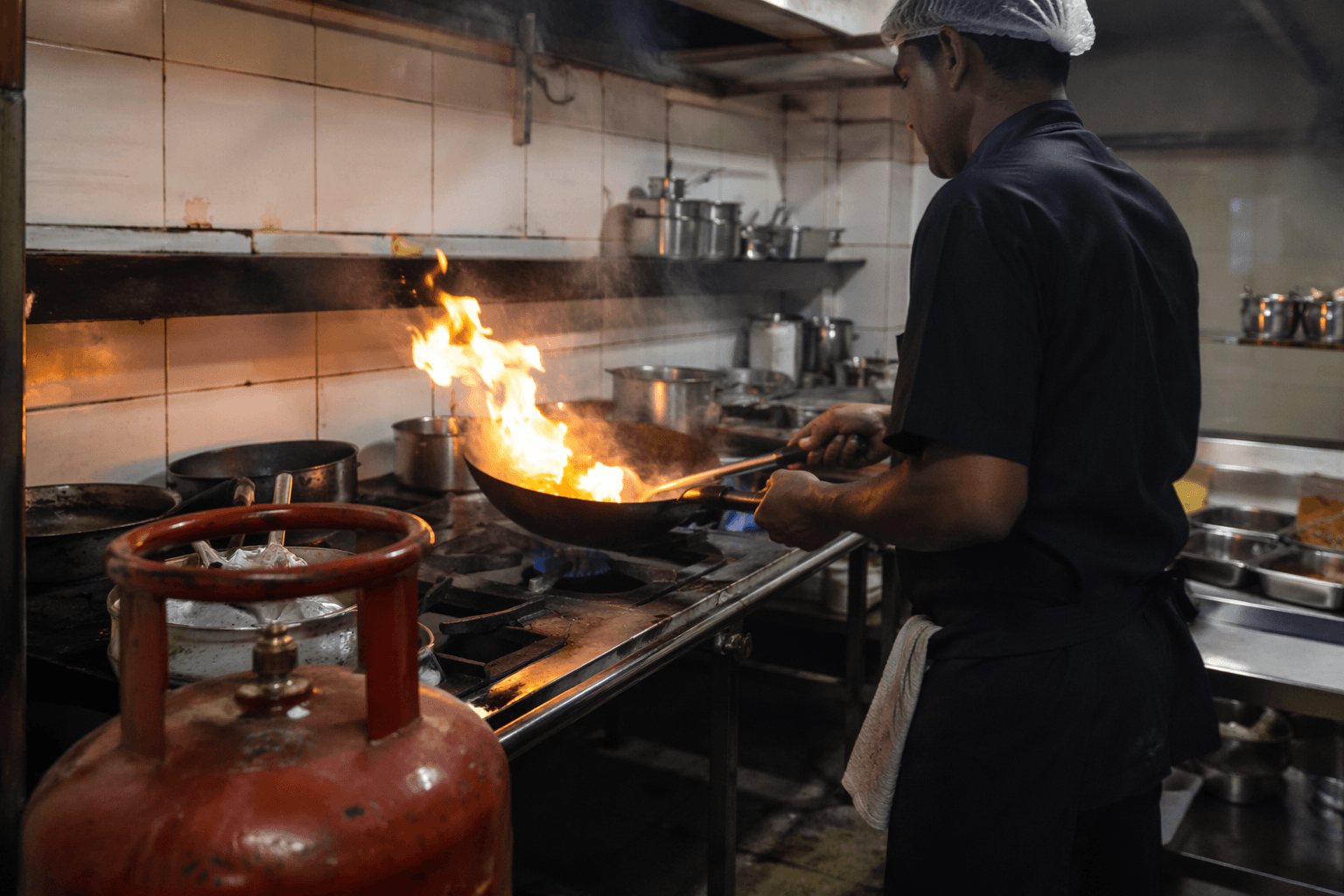
Restaurant Automation Reshapes Jobs, Raising Questions About Hospitality's Human Future
Robots are taking over repetitive kitchen tasks, but whether that reshapes or eliminates jobs depends entirely on how operators choose to deploy them.
More than half of all restaurant chains in the United States are now actively investing in artificial intelligence, and another 22 percent plan to start within the year, according to a March 2026 State of Digital report from tech supplier Qu. Most restaurant chains are now using artificial intelligence or plan to soon, but few have seen it really move the needle yet. That gap between adoption and impact is exactly the tension the Eric Friedheim Tourism Institute set out to examine in a new analysis published this April, one that arrives at a conclusion worth taking seriously if you work in a kitchen or on a floor: automation is no longer a future-tense conversation. It is happening now, and the outcomes for workers will be shaped not by the technology itself but by the decisions managers make around it.
What's Actually Being Deployed
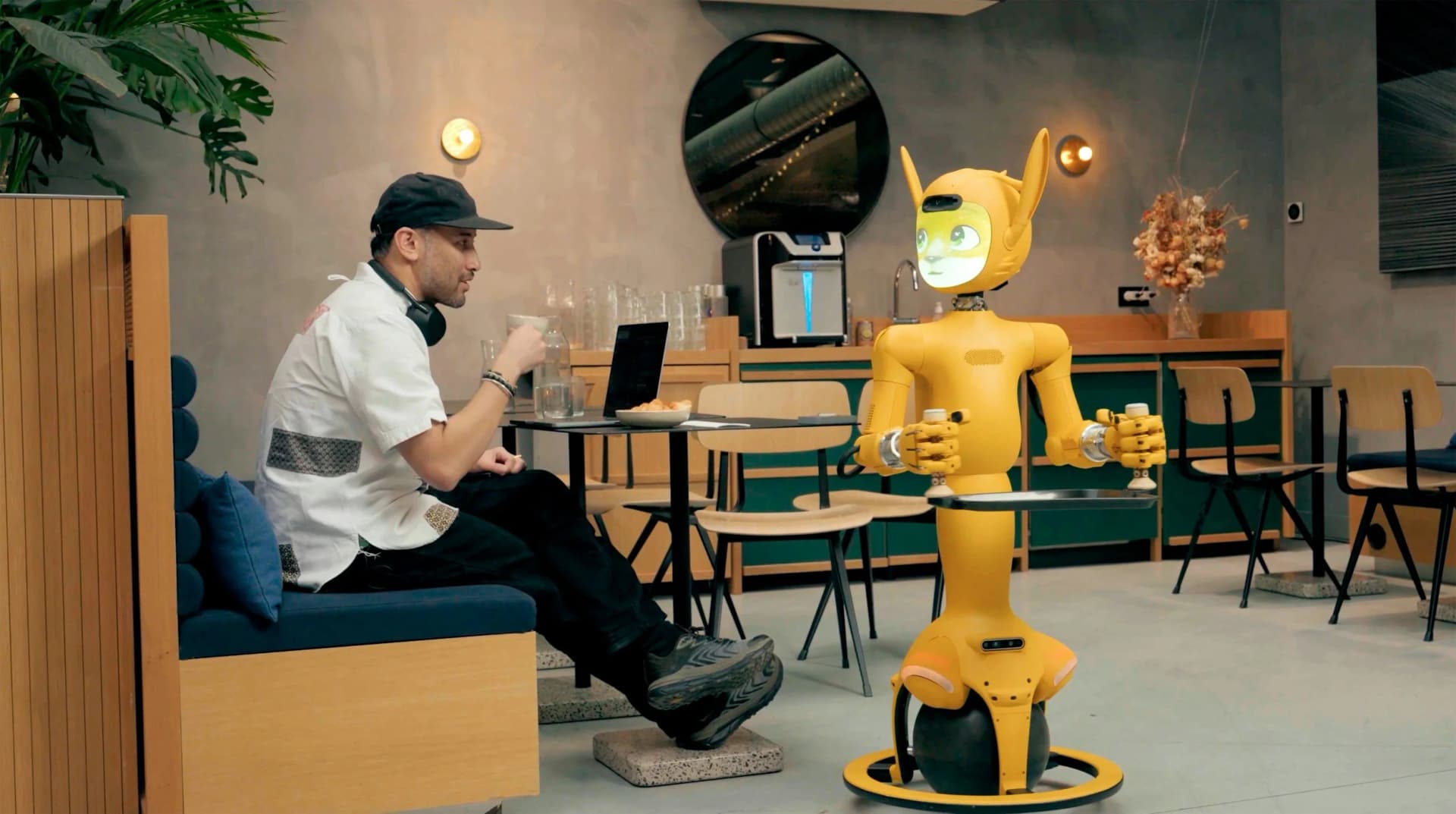
The wave of restaurant automation in 2026 is not a single technology but a cluster of systems arriving simultaneously. Front-of-house kiosks have been standard for years in fast-casual settings, but the newest generation goes further. Conversational AI allows guests to speak naturally to a kiosk to place complex orders, reducing friction and increasing average ticket sizes through intelligent, real-time upselling. 72% of kiosk users have noticed their order sizes increase when they order on a kiosk, a number that represents real revenue pressure on the tipped servers those systems are beginning to replace.
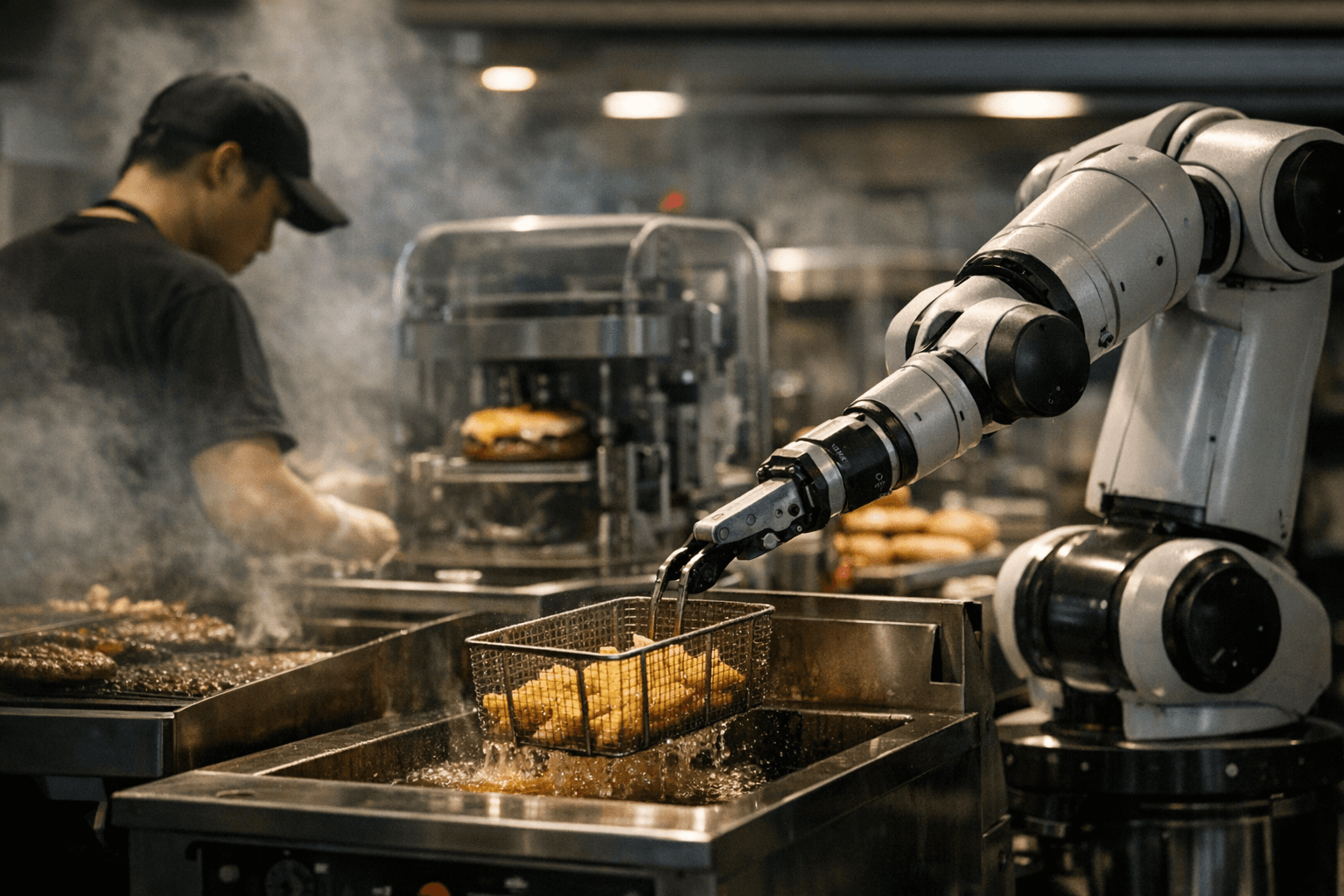
In the back of house, modular robotic cooking systems are moving from isolated pilots to scaled cluster deployments. Multiple enterprise chains ran pilots from 2022 to 2025 and began cluster deployments in 2026. These are not humanoid robots. They are purpose-built modules: robotic fryers that handle dipping, timing, and draining without a line cook touching a basket; portioning systems that eliminate prep variability; packing robots that manage the final steps of a delivery order. The Friedheim Institute's analysis specifically names AI scheduling systems that analyze historical traffic data to pare down labor hours, voice and AI ordering bots fielding phone orders that previously required a host or cashier, and inventory automation that cuts the time managers spend on ordering and waste tracking.
AI investment in the restaurant sector is growing at an 18 to 25 percent compound annual rate across ordering, forecasting, and robotics. Restaurants are using AI most frequently for marketing and personalization at 53 percent, predictive analytics at 40 percent, and voice ordering at 39 percent. Steven Fine, GM of the restaurant division at PolyAI, described 2025 as the year AI moved from primarily helping with behind-the-scenes analytics to being woven into customer-facing experiences, with phone reservations and order-taking among the first functions to shift.
The Deskilling Risk Nobody Wants to Talk About
Here is the uncomfortable part of the Friedheim Institute's argument. Automation can reduce the physical grind of line cooking: the repetitive frying, the late-night solo closing shifts, the burn-out cycle that drives turnover in kitchens with small crews. That's real relief. But the Institute warns that the same technology becomes a threat when operators use it as a substitute for training and career development rather than a complement to it.
The pattern is familiar to anyone who has watched restaurant labor evolve over the past decade. A technology arrives, a role shrinks, and the remaining workers absorb the complexity without a corresponding raise or title change. 37 percent of restaurant workers leave due to a lack of career path. Automation accelerates that problem when employers strip out the tasks that gave workers a foothold for growth, such as learning a full station, troubleshooting equipment, or developing the speed and judgment that lead to a sous chef title.
The Institute's analysis uses the term "deskilling" deliberately. If employers substitute low-cost robotic modules for the training investment that used to produce experienced cooks, they end up with a workforce that is cheaper in the short term and far more fragile over time. Workers lose the skill progression that makes them valuable; operators lose the institutional knowledge that keeps kitchens running under pressure.
What Happens to Your Tips When a Robot Does Part of Your Job
This question has no clean answer yet, and the Friedheim Institute does not pretend otherwise. But it raises it directly: when a voice bot takes a phone order that a host or server used to handle, or when a kiosk processes a transaction that would have generated a tipped interaction, how does the compensation policy adjust?
BOH staff are now included in tip pools more often, following a 2018 Department of Labor rule update. In states like California and Nevada, BOH tip-outs now account for 8 to 12 percent of the total pool, meaning cooks, dishwashers, and prep staff are seeing meaningful pay increases as a result. But those gains were built on the assumption of a certain volume of tipped transactions. As kiosks and AI order systems handle a larger share of guest interactions, the pool itself may shrink even if the percentage allocation stays the same.
The Institute recommends that operators revisit tip and service charge structures proactively when automation replaces a formerly tipped function, rather than waiting for workers to notice the shortfall in their checks. Restaurants with transparent, automated tip-out systems see real retention gains; employee turnover drops by up to 31 percent when staff see exactly how their earnings are calculated, a pattern that holds across quick-service, fast-casual, and full-service segments. That number matters doubly in an automation context: workers who cannot understand how their earnings changed after a robot was introduced will not stay long enough to adapt.
Four Steps the Institute Recommends for Operators and Workers
The Friedheim analysis offers a practical framework for navigating the transition. It is directed at both managers implementing systems and workers trying to position themselves through the shift:
- Map tasks before you automate. Identify which specific job functions within each role are genuinely automation-suitable, meaning repetitive, high-volume, and low-judgment, and which require human reasoning, improvisation, or guest empathy. Do not automate entire roles; automate tasks, and redesign the remaining role accordingly.
- Invest in retraining before the robot ships. Workers displaced from repetitive functions should have a named path into quality-control, equipment maintenance, or guest-experience positions before the technology goes live. An upskilling plan announced after deployment is almost always too late to prevent morale damage.
- Redesign compensation policies alongside the technology. If a robotic system takes over a task that was previously tipped or that justified a given hourly rate, the compensation structure needs to reflect that change, not paper over it.
- Bring workers into pilot design. The Institute is explicit on this point: operators who engage line staff and service workers early in pilot planning see less resistance, better troubleshooting feedback, and more successful implementations. Workers who find out about automation from a press release rather than a manager are significantly more likely to leave.
Skills That Will Hold Their Value
For line cooks and servers thinking about how to position themselves, the Friedheim Institute's analysis points toward a specific set of capabilities that robotic and AI systems consistently struggle to replicate: empathy in a difficult service moment, improvisation when a table's order goes sideways, problem-solving under pressure, and the kind of multi-station prep knowledge that makes a cook irreplaceable during a lunch rush. Beyond those interpersonal skills, technical fluency is becoming increasingly valuable. Workers who can troubleshoot a fryer module, flag a calibration error in an inventory system, or operate across multiple automated stations without supervision are exactly the profile the Institute describes as most resilient.
The total number of restaurant server jobs is projected to decrease by 3 percent between 2022 and 2032, even as the industry added 200,000 positions in 2024 alone. That divergence reflects a structural shift: aggregate employment is growing while specific task-based roles are contracting. The workers who fare best through this transition will not be those who avoided kitchens with automation; they will be the ones who understood the technology well enough to be the humans it could not replace.
The Stakes for Management
The Friedheim Institute does not frame automation as inherently good or bad for restaurant workers. It frames it as a management choice. Operators who deploy these tools primarily as a wage-cutting mechanism, reducing headcount without reinvesting in the workers who remain, will see the consequences in turnover rates and difficulty recruiting. Operators who use automation to smooth brutal scheduling peaks, cut the repetitive work that burns out good cooks, and free staff to focus on guest interaction may actually improve retention in an industry that has historically treated high turnover as an inevitable cost.
The difference between those two outcomes is not the technology. It is the set of decisions that management makes before the robot arrives, during the pilot, and in the months after, when workers are deciding whether this is still a place worth building a career.
This article was produced by Prism’s automated news system from verified source data, official records, and press releases, then run through automated quality and moderation checks before publishing. The system is built and supervised by the people who set the standards it runs under. Read our full AI policy.
Did this article answer your question?