Restaurant chains expand catering to boost sales, fill slower dayparts
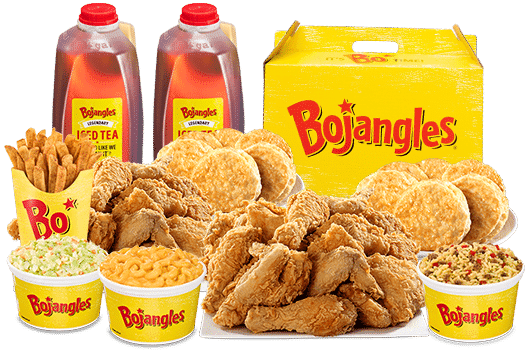
Catering orders are getting bigger and more frequent, and at Bojangles some run to 200 box meals, turning slow shifts into tighter prep and delivery races.

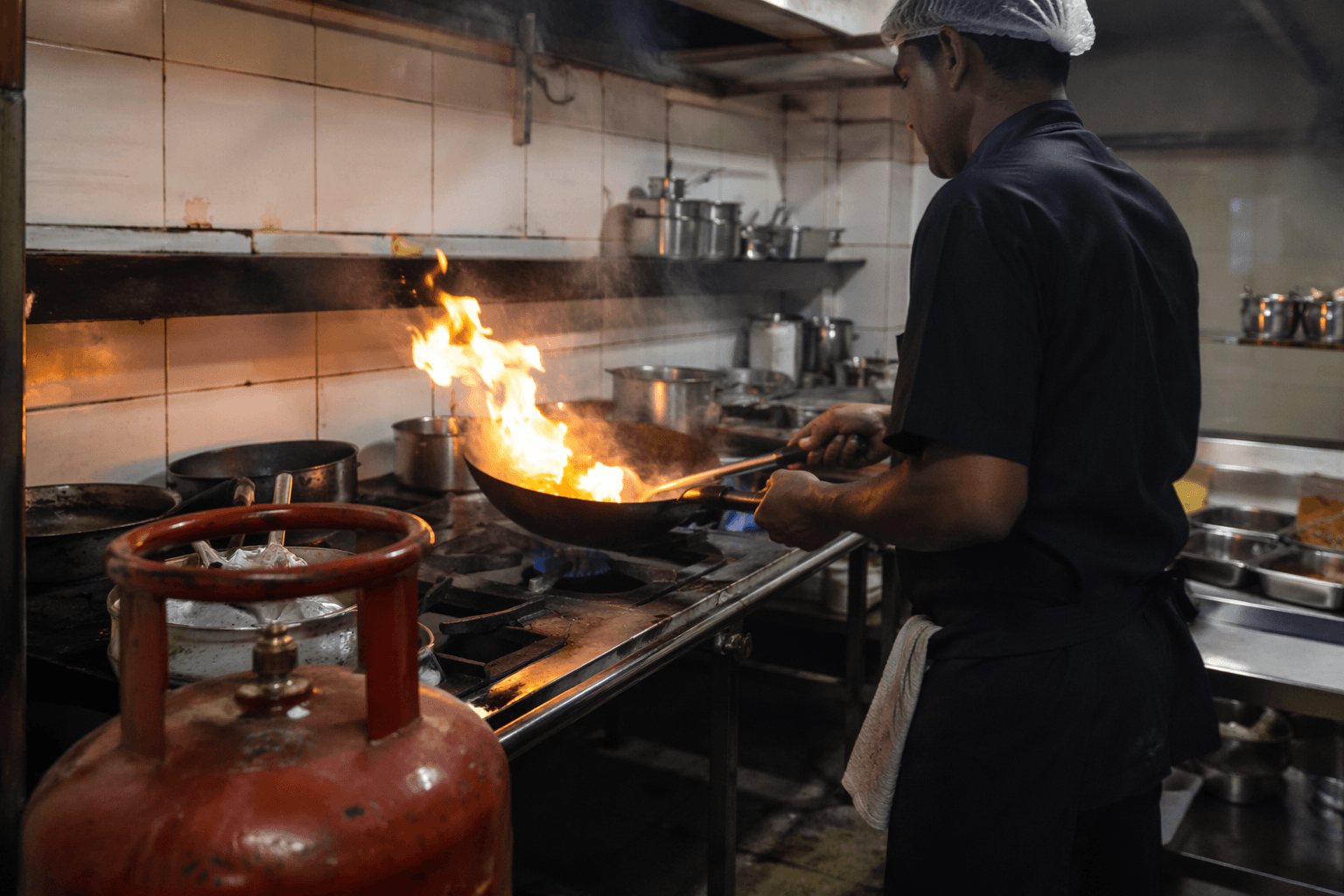
A catering ticket for 100 to 200 box meals can turn a slow morning into a kitchen-wide sprint, with cooks batching biscuits, packing labels and drivers trying to keep a large order on time. That is why more chains are leaning on catering not just for sales, but to fill weaker dayparts and keep crews working through the gaps between breakfast, lunch and dinner.
The appeal is clear in a market that is barely growing. Technomic’s 2026 Top 500 Chain Restaurant Report put 2025 sales for the 500 largest U.S. chains at $451.5 billion, up 3% from a year earlier and still below 3.8% menu-price inflation. Median sales growth was 2.5%, and nearly half of the Top 500 either failed to add units or closed some locations. With store growth slowing, off-premise channels like catering are one of the few ways to get more revenue out of the same kitchens.
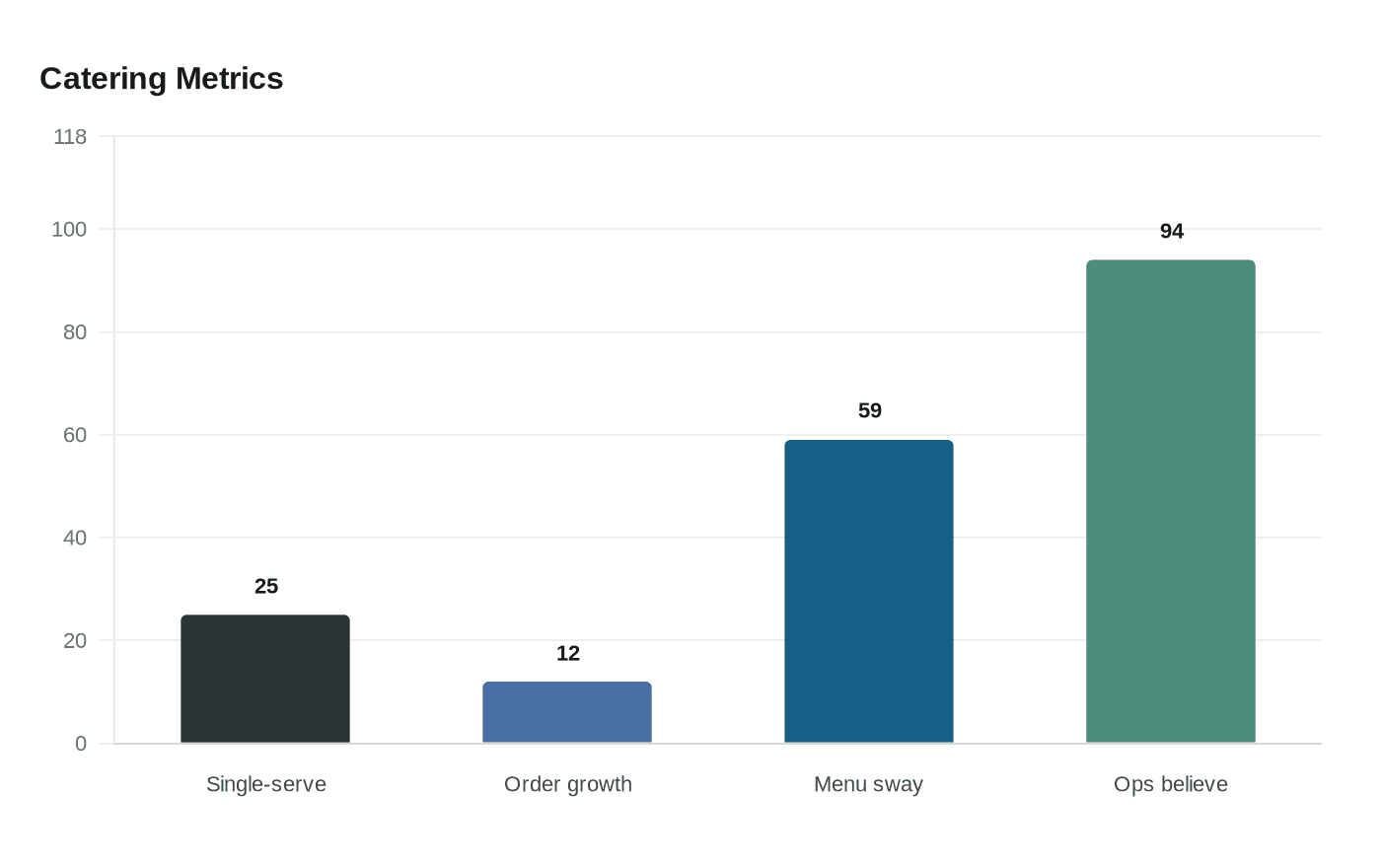
Catering also looks different than it did before the pandemic. When COVID-19 hit in March 2020, bookings fell 85% overnight, and the rebound has been shaped by workplace orders and individually packaged meals. Those single-serve meals now make up 25% of the catering marketplace. ezCater says the average workplace catering order rose 12% to about $420 in 2025, while 59% of workplace orderers were swayed by the menu. The company also said 94% of operators believed large off-premise orders drive incremental revenue.
Bojangles is one of the clearest examples of how chains are trying to make catering a more formal part of the business. The company launched website catering in November 2024 through Olo, with breakfast, lunch and dinner orders available at participating restaurants for $150 or more. By May 2026, more than 600 stores were in the digital catering program. Eric Stepp, who joined Bojangles a little more than two years ago, said the chain had no systemwide catering program when he arrived. He also said catering checks now run at about 10 times the size of mealtime tickets, with 12-packs of Breakfast Biscuits among the strongest sellers.
That scale helps explain why catering can help workers and strain them at the same time. It can bring more hours for kitchen teams and drivers, and it can smooth out the dead spots that leave labor schedules thin. But it also demands tighter staging, stronger cross-training and cleaner handoffs from intake to dispatch. In catering, one missed sandwich or late delivery does not affect one table. It can set off a chain reaction across an office, a school or an event, which is why the chains that win here will be the ones that treat catering like an operation, not just a bigger order.
This article was produced by Prism’s automated news system from verified source data, official records, and press releases, then run through automated quality and moderation checks before publishing. The system is built and supervised by the people who set the standards it runs under. Read our full AI policy.
Did this article answer your question?