Restaurant leaders push for updated work-permit rules amid labor strain
Restaurant groups say a work-permit fix could keep kitchens staffed, as immigrants fill more than 20% of the industry and food costs keep climbing.
When a kitchen loses even a few cooks or dishwashers, the fallout shows up fast: tighter schedules, longer ticket times, skipped breaks and managers scrambling to cover the line. That is the pressure behind a push from restaurant leaders for updated work-permit rules, as immigrant labor remains one of the industry’s most important workforce issues and more than half of operators say immigration policy changes have hurt their businesses.
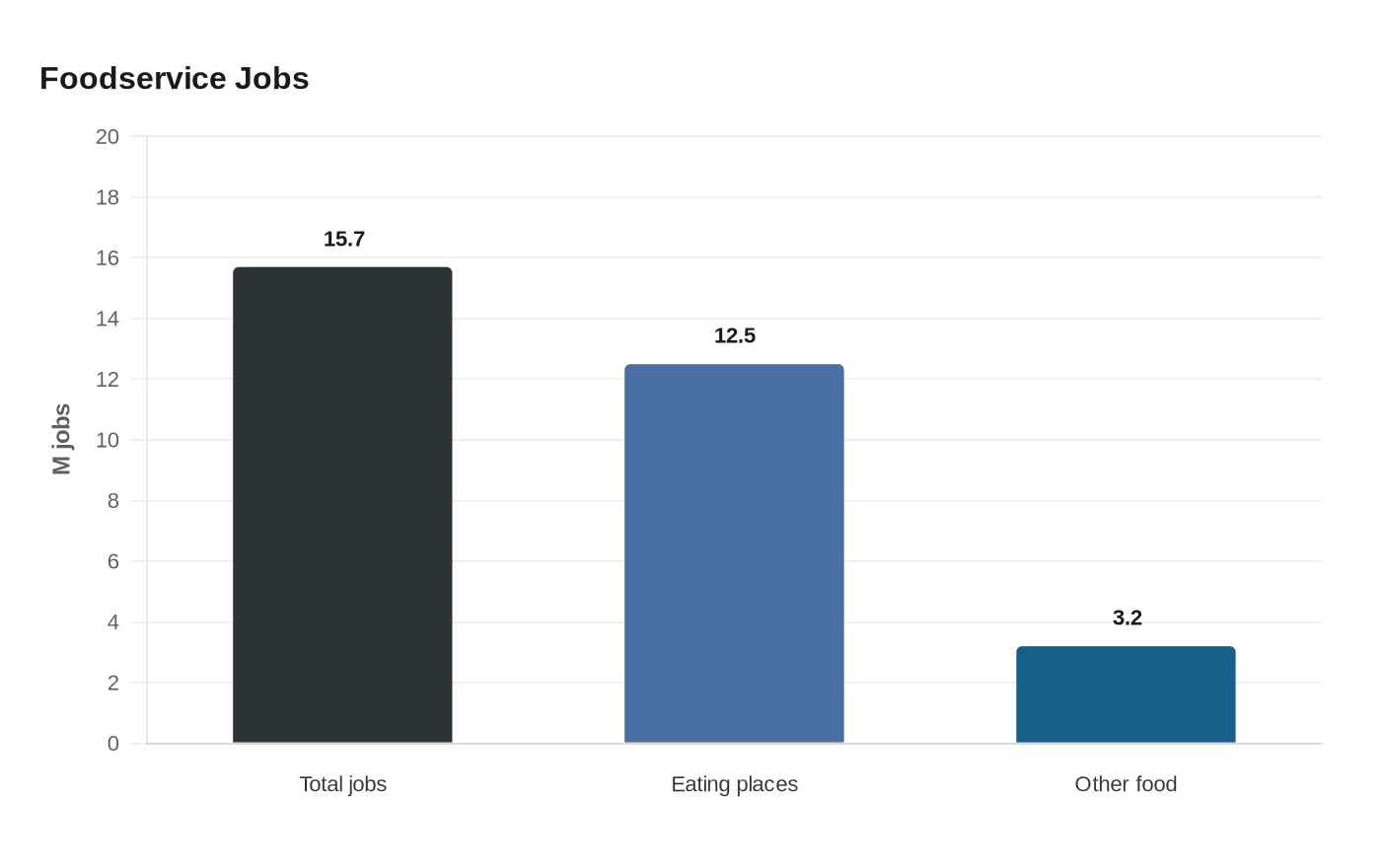
The restaurant and foodservice industry depends heavily on immigrant workers. The National Restaurant Association says immigrants make up more than 20% of all U.S. workers in the sector, which it describes as the nation’s second-largest private-sector employer, with 15.7 million jobs. That includes 12.5 million jobs at eating and drinking places and about 3.2 million more foodservice jobs in other sectors. Seat the Table, the campaign now organizing around the issue, says immigrants make up about 20% of the restaurant workforce and 36% of restaurant owners.
The coalition is making a narrow argument: not a citizenship push, but a work-permit program for long-term, law-abiding, tax-paying immigrants already living and working here. Seat the Table says food costs are up 34% since the pandemic, and its materials warn that without new immigration policies, food prices could rise another 14.5% by 2028. For operators, that is not just a public-policy slogan. It is a warning that labor instability can ripple into menu prices, service speed and training costs.
The DIGNIDAD Act of 2025, introduced in the House on July 15, 2025 as H.R. 4393, is the current legislative vehicle tied to that effort, and it remains in introduced status. Congress has not passed a major immigration overhaul since 1986, which helps explain why restaurant advocates are focused on a work-permit fix instead of waiting for a sweeping rewrite. In practice, a narrower program could change hiring timelines by making it easier for operators to retain vetted workers already in the pipeline, rather than losing them to uncertainty, documentation bottlenecks or fear over enforcement changes.
The coalition behind Seat the Table includes 19 organizations, and Nation’s Restaurant News reported that more than 20 hospitality and agricultural groups are involved, including the James Beard Foundation, the Texas Restaurant Association, the Independent Restaurant Coalition and the Latino Restaurant Association. The James Beard Foundation says its policy agenda centers on racial and gender equity, sustainability, and industry culture and practices, and its immigration resources page includes employer compliance guidance and immigrant-rights materials. That overlap matters on the ground, where a paperwork delay in Washington can mean a shorter prep crew on a Saturday night.
Federal labor data help explain why restaurants are so exposed. The Bureau of Labor Statistics says foreign-born workers are more likely than native-born workers to work in service occupations, and in 2024 the foreign-born unemployment rate was 4.2%, compared with 4.0% for native-born workers. In restaurant work, where turnover is already high and staffing is always tight, that makes immigration policy a labor policy issue, and a service issue, at the same time.
This article was produced by Prism’s automated news system from verified source data, official records, and press releases, then run through automated quality and moderation checks before publishing. The system is built and supervised by the people who set the standards it runs under. Read our full AI policy.
Did this article answer your question?